



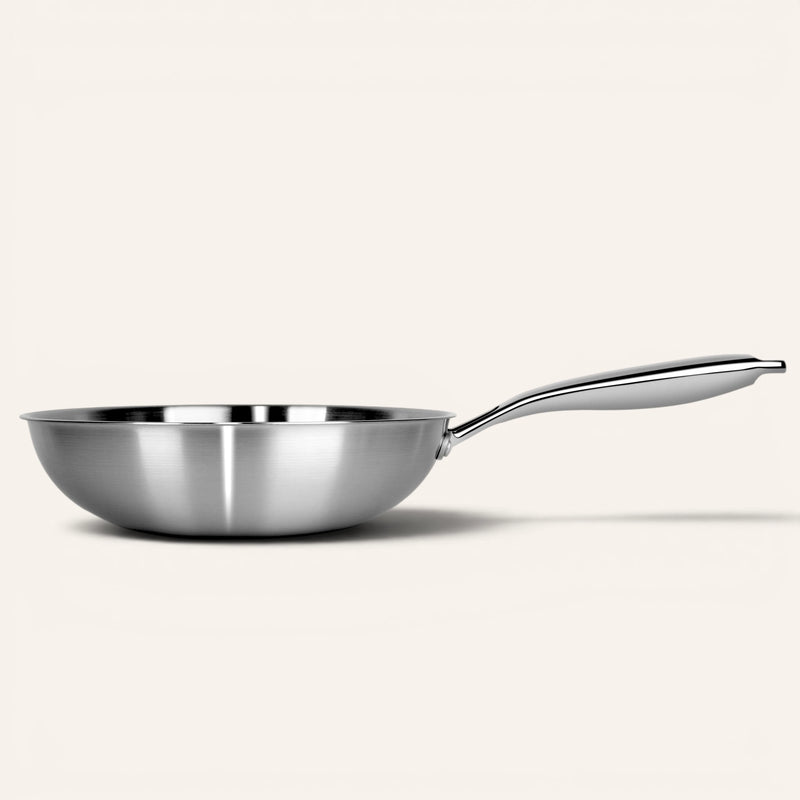


Die beste Pfanne zum Pizzabacken ist eine, die hohe Hitze speichert, sie gleichmäßig verteilt und hilft, eine knusprige, gleichmäßig gebräunte Kruste zu erzeugen. Die Wahl der richtigen Pfanne kann den Unterschied zwischen einem weichen Boden und einer Pizza mit knusprigem Boden und luftigem Rand, wie man es von einer Pizzeria erwarten würde, ausmachen. Jedes Material verhält sich anders, von der Wärmeübertragung bis zur Pflegeleichtigkeit.
In diesem Leitfaden vergleichen wir verschiedene Pizza-Kochflächen, darunter Pizzastein, Gusseisen, Aluminium, antihaftbeschichtete Pfannen und Pizzastahl aus Titan, um Ihnen zu helfen, die beste Option für Ihre Bedürfnisse zu finden und zu erklären, warum das Material genauso wichtig ist wie das Rezept.
Was macht die beste Pfanne zum Pizzabacken aus?
Hohe Wärmespeicherung
Die meisten hausgemachten Pizzen werden bei 450-550°F (230-290°C) gebacken, während Pizzaöfen oft 700-900°F (370-480°C) oder mehr erreichen. Bei diesen Temperaturen spielt die Backfläche eine entscheidende Rolle dabei, wie schnell die Kruste backt und bräunt.
Eine gute Pizzapfanne sollte in der Lage sein, viel Wärme aufzunehmen und zu speichern, bevor der Teig überhaupt ihre Oberfläche berührt. Wenn der Teig auf einer richtig vorgeheizten Oberfläche landet, beginnt er sofort zu backen und erzeugt eine knusprige, gut gebräunte Kruste, während das Innere leicht und luftig bleibt. Materialien mit ausgezeichneter Wärmespeicherung halten während des gesamten Backvorgangs eine stabilere Gartemperatur aufrecht, was es einfacher macht, gleichbleibende Ergebnisse zu erzielen, selbst wenn mehrere Pizzen hintereinander gebacken werden.
Gleichmäßige Wärmeverteilung
Hot Spots können dazu führen, dass eine Seite Ihrer Pizza überbacken ist, während die andere blass oder ungar ist. Eine hochwertige Pizzapfanne verteilt die Wärme gleichmäßig über die gesamte Oberfläche und hilft der Kruste, von Rand zu Rand gleichmäßig zu bräunen. Sie ermöglicht auch, dass Belag und Kruste gleichzeitig garen, sodass Sie seltener einen perfekt gegarten Belag auf einem ungarischen Boden haben.
Haltbarkeit
Pizza wird typischerweise bei einigen der höchsten Temperaturen gebacken, die beim Kochen zu Hause verwendet werden, daher sollte Ihre Backfläche wiederholten Belastungen durch intensive Hitze standhalten können, ohne sich zu verziehen, zu reißen oder ihre Leistung zu verlieren. Langlebige Materialien halten nicht nur länger, sondern liefern auch über einen längeren Zeitraum hinweg konsistentere Ergebnisse, was sie zu einer lohnenden Investition für jeden macht, der regelmäßig Pizza backt.
Ungiftige Materialien
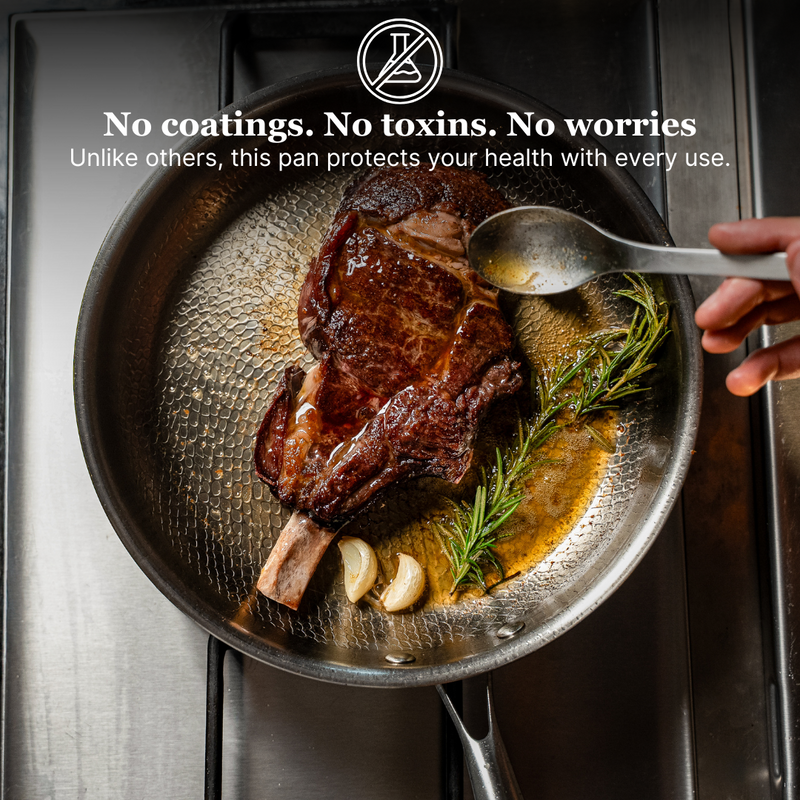
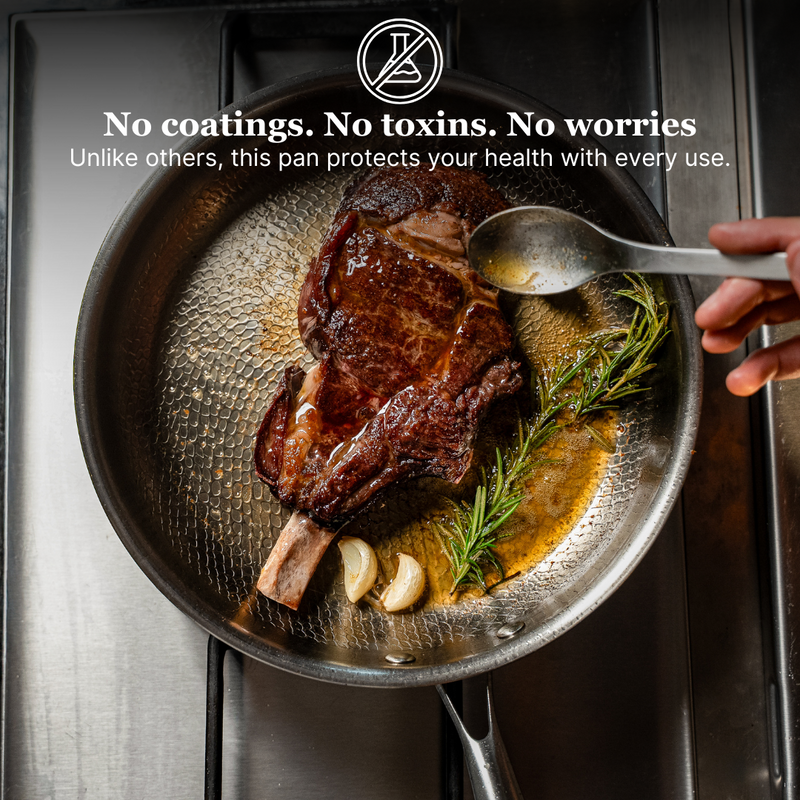
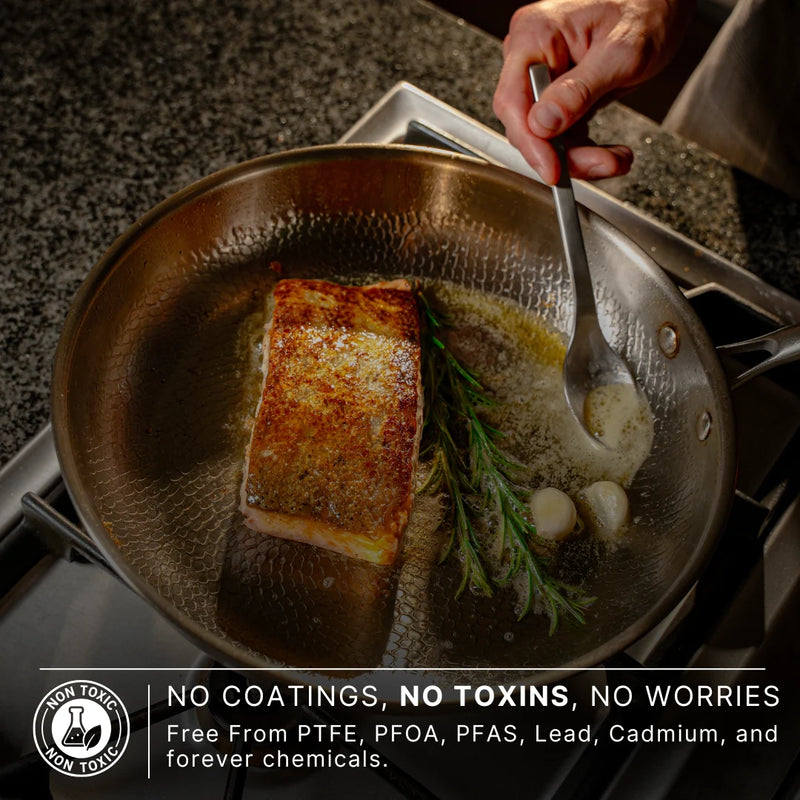
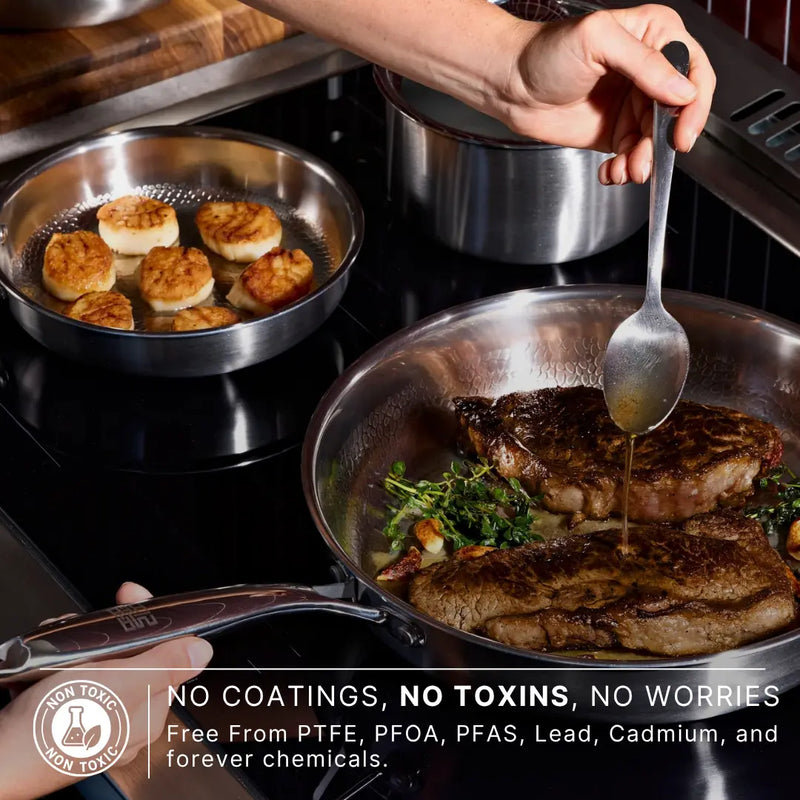
Viele Hobbyköche achten auch auf die Materialien, die in ihrem Kochgeschirr verwendet werden, insbesondere beim Backen bei hohen Temperaturen. Während herkömmliche Antihaftpfannen für den täglichen Gebrauch praktisch sind, sind sie im Allgemeinen nicht für die intensive Hitze ausgelegt, die oft für Pizza verwendet wird. Die Wahl einer Backfläche ohne PFAS, PTFE, PFOA, Blei oder Cadmium bietet Seelenfrieden. Es eliminiert auch die Notwendigkeit synthetischer Antihaftbeschichtungen, die im Allgemeinen nicht für die hohen Temperaturen ausgelegt sind, die oft beim Pizzabacken verwendet werden.
| Pizza-Unterlage | Am besten geeignet für | Hauptvorteil | Überlegungen |
|---|---|---|---|
| Pizzastein | Pizza im Artisan-Stil | Erzeugt eine traditionelle Kruste | Längere Vorheizzeit und kann Risse bekommen |
| Titan-Pizzastahl | Hochtemperatur-Pizza & Alltagsbacken | Schnelle, gleichmäßige Hitze, außergewöhnliche Haltbarkeit, ungiftiges Material & einfache Wartung | Höhere Anfangsinvestition |
| Gusseisen | Deep-Dish- und Pfannenpizza | Sehr gute Wärmespeicherung | Schwer und muss eingebrannt werden |
| Aluminium | Alltagsbacken | Leicht | Geringere Wärmespeicherung |
| Traditionelle Antihaftbeschichtung | Bequemlichkeit | Einfaches Ablösen von Speisen | Nicht ideal für sehr hohe Temperaturen |
Vergleich verschiedener Pizza-Backflächen
Pizzastein
Ein Pizzastein ist seit langem ein Favorit unter Hobby-Pizzabäckern. Er wird aus Keramik oder Cordierit hergestellt und nimmt beim Backen Feuchtigkeit aus dem Teig auf, wodurch eine knusprige Kruste mit einer traditionelleren, handwerklichen Textur entsteht.
Vorteile:
-
Erzeugt eine knusprige, gleichmäßig gebackene Kruste
-
Nimmt überschüssige Feuchtigkeit aus dem Teig auf
-
Gut geeignet für Pizza und andere Backwaren
-
Erhältlich in verschiedenen Größen und Preiskategorien
Nachteile:
-
Benötigt eine lange Vorheizzeit, um sein volles Backpotential zu erreichen
-
Kann reißen, wenn er thermischem Schock ausgesetzt oder fallen gelassen wird
-
Schwerer und zerbrechlicher als viele Alternativen
-
Poröse Oberfläche erschwert die Reinigung, da Seife im Allgemeinen nicht empfohlen wird
Titan-Pizzastahl
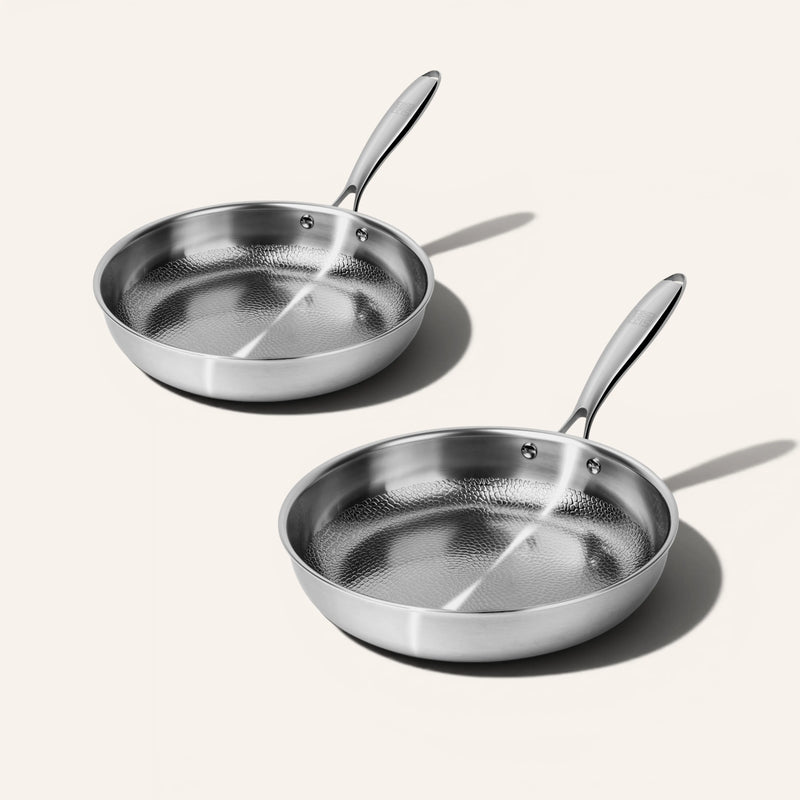
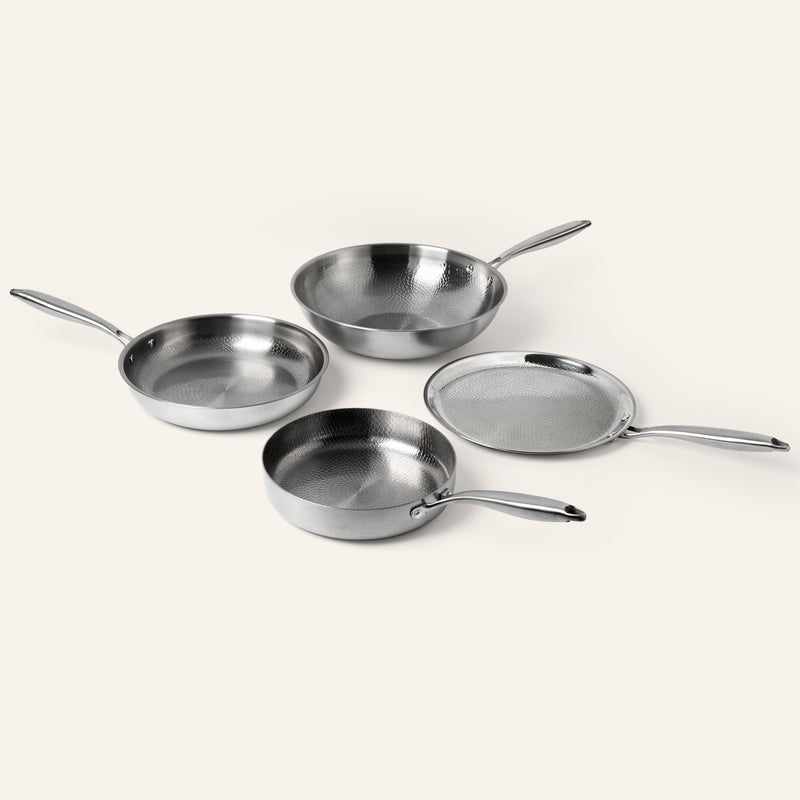
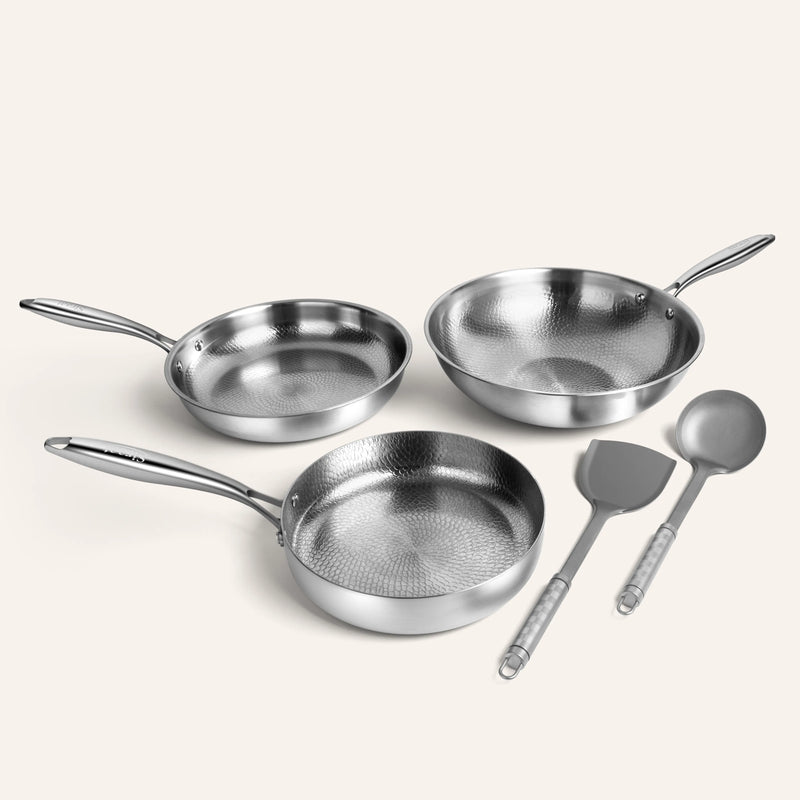
Ein Titan-Pizzastahl kombiniert die schnelle Wärmeübertragung eines Pizzastahls mit der Haltbarkeit und Pflegeleichtigkeit einer Titan-Kochfläche. Er wurde für das Backen bei hohen Temperaturen entwickelt und liefert intensive, gleichmäßige Hitze, die dazu beiträgt, in kürzerer Zeit eine knusprige, gut gebräunte Kruste zu erzeugen. Im Gegensatz zu beschichteten Antihaftpfannen verwendet die Kochfläche Titan anstelle von synthetischen Beschichtungen, wodurch sie sich für das Backen von Pizza bei hohen Temperaturen eignet.
Vorteile:
-
Hervorragende Wärmespeicherung und Wärmeverteilung
-
Erzeugt knusprige, gleichmäßig gebräunte Krusten
-
Erreicht und hält sehr hohe Backtemperaturen stand
-
Leicht zu reinigen und oft spülmaschinenfest
-
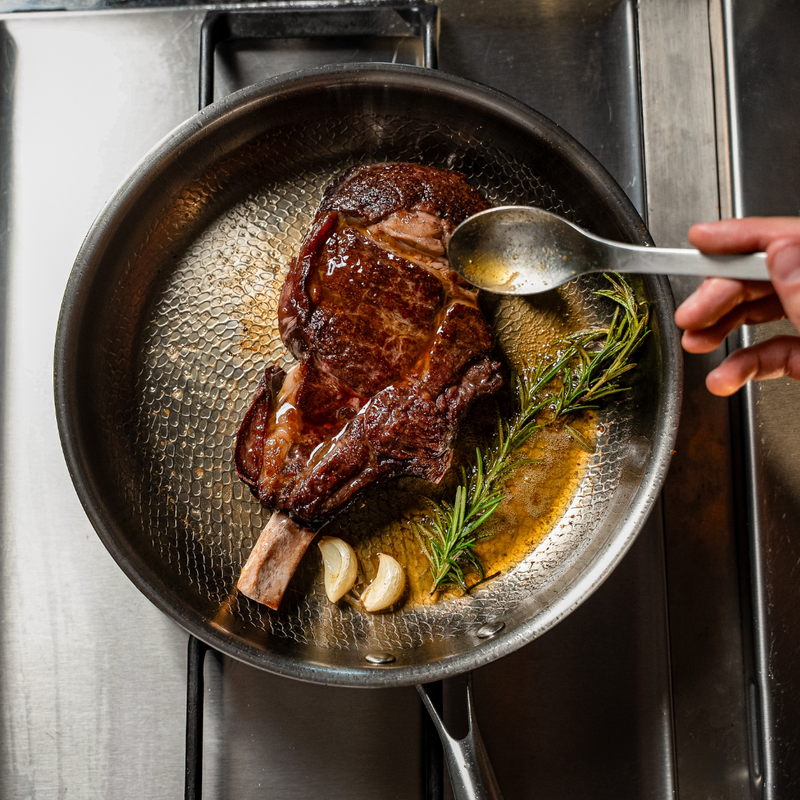
Mit einer gehämmerten Titan-Oberfläche bietet er natürliche Antihaft-Eigenschaften ohne PFAS-, PTFE- oder PFOA-Beschichtungen
-
Sehr langlebig und verformungsbeständig
-
Kompatibel mit allen Kochfeldern, einschließlich Induktion, sofern es voll ummantelt ist
-
Sicher mit Metallutensilien zu verwenden
Nachteile:
-
Höhere Anschaffungskosten, die die Haltbarkeit, Festigkeit und Reinheit des Materials widerspiegeln
-
Geringere natürliche Wärmeleitfähigkeit, wenn nicht mit anderen Materialien kombiniert, daher ist eine vollummantelte Konstruktion wichtig für optimale Wärmeleistung
Gusseisen
Gusseisen ist eine vielseitige Option, die eine sehr gute Pizza zubereiten kann, besonders wenn Sie Deep-Dish- oder Pfannenrezepte mögen. Es speichert die Wärme außergewöhnlich gut und kann vom Herd in den Ofen gestellt werden, was es für eine Vielzahl von Kochtechniken über die Pizza hinaus nützlich macht.
Vorteile:
-
Hervorragende Wärmespeicherung für eine gut gebräunte Kruste
-
Langlebig und für die Ewigkeit gebaut
-
Vielseitig genug zum Backen, Braten, Frittieren und Anbraten
Nachteile:
-
Schwer und weniger bequem zu handhaben
-
Erfordert regelmäßiges Einbrennen, um die Kochfläche zu erhalten und Rost zu verhindern
-
Benötigt länger zum Vorheizen als dünnere Pizzabackflächen
-
Besser geeignet für dickere Pfannenpizzen als für dünne Pizzen im Pizzeria-Stil
Pizzapfanne aus Aluminium
Pizzapfannen aus Aluminium sind eine beliebte Wahl für das tägliche Backen zu Hause, dank ihres leichten Designs. Sie heizen schnell auf und sind einfach zu handhaben, was sie gut für Anfänger oder gelegentliche Pizzabende geeignet macht.
Vorteile:
-
Leicht und einfach zu handhaben
-
Heizt schnell auf
-
Weit verbreitet
Nachteile:
-
Speichert die Wärme nicht so gut wie Pizzastahl, Stein oder Gusseisen
-
Weniger wahrscheinlich, eine tief gebräunte, knusprige Kruste zu erzeugen
-
Kann sich mit der Zeit bei sehr hohen Ofentemperaturen verziehen
-
Kann bei häufigem Gebrauch schneller verschleißen
Traditionelle Antihaft-Pizzapfanne
Traditionelle Antihaft-Pizzapfannen sind auf Bequemlichkeit ausgelegt. Ihre beschichtete Oberfläche verhindert das Anhaften und macht die Reinigung einfach. Sie sind jedoch im Allgemeinen für moderate Temperaturen gedacht und nicht für die hohe Hitze, die oft verwendet wird, um Pizza im Pizzeria-Stil zu erzielen.
Vorteile:
-
Einfaches Ablösen von Speisen mit minimalem Öl
-
Leicht zu reinigen
-
Leicht und anfängerfreundlich
-
Typischerweise erschwinglicher als hochwertige Pizzabackflächen
Nachteile:
-
Beschichtung nutzt sich in der Regel mit der Zeit ab
-
Nicht ideal für höchste Pizzabacktemperaturen
-
Weniger haltbar als unbeschichtete Materialien wie Titan
-
Die Leistung kann mit zunehmendem Alter der Antihaftbeschichtung nachlassen

Pizzastahl vs. Pizzastein: Was ist besser?
Sowohl Pizzastahl als auch Pizzastein können hervorragende hausgemachte Pizza zubereiten, sind aber darauf ausgelegt, leicht unterschiedliche Ergebnisse zu erzielen. Ein Pizzastein absorbiert Feuchtigkeit aus dem Teig und ist daher eine beliebte Wahl für Pizzen im Artisan-Stil mit knuspriger Kruste. Er ist nicht nur für Pizza geeignet, viele Hobbybäcker verwenden einen Pizzastein auch für handwerkliches Brot und andere Backwaren.
Pizzastahl hingegen überträgt die Wärme viel effizienter auf den Teig. Die schnellere Wärmeübertragung trägt dazu bei, eine leichtere, luftigere Kruste mit einem knusprigen, tief gebräunten Boden zu erzeugen, die oft mit Pizza im Pizzeria-Stil in Verbindung gebracht wird. Da er weniger zerbrechlich ist als Stein, verträgt er auch häufigen Gebrauch besser und erfordert nicht die gleiche Sorgfalt bei der Handhabung oder Reinigung.
Wenn Sie Vielseitigkeit und traditionelles Backen suchen, ist ein Pizzastein immer noch eine gute Wahl. Aber wenn Ihr Ziel eine konstant knusprige, gleichmäßig gebackene Pizza mit weniger Pflege und größerer Haltbarkeit ist, ist ein Pizzastahl oft die bessere langfristige Investition für Hobbyköche, die regelmäßig Pizza backen.
Ist Titan-Pizzastahl besser als herkömmlicher Pizzastahl?
Herkömmliche Pizzastahle bestehen typischerweise aus Kohlenstoffstahl, einem Material, das für seine hervorragende Backleistung bekannt ist. Er überträgt die Wärme effizient auf den Teig und hilft, eine knusprige Kruste im Pizzeria-Stil zu erzeugen. Der Nachteil ist, dass Kohlenstoffstahl regelmäßige Pflege benötigt, um Rost zu verhindern, einschließlich gründlichem Trocknen nach dem Waschen und gelegentlichem erneuten Einbrennen der Oberfläche.
Ein Titan-Pizzastahl bietet das gleiche hervorragende Backerlebnis und reduziert gleichzeitig einen Großteil des Pflegeaufwands. Anstatt sich auf das Einbrennen oder synthetische Antihaftbeschichtungen zu verlassen, ist eine Titan-Kochfläche von Natur aus korrosionsbeständig, leicht zu reinigen und robust genug für den alltäglichen Gebrauch. In den meisten Fällen genügt nach dem Backen ein kurzes Abwaschen mit warmem Wasser, Spülmittel und einem weichen Schwamm. In Kombination mit einer vollständig ummantelten Konstruktion, wie einem Aluminiumkern für eine effiziente Wärmeübertragung und einer Edelstahlbasis für die Induktionskompatibilität, bietet er sowohl eine hervorragende Backleistung als auch eine lange Haltbarkeit.
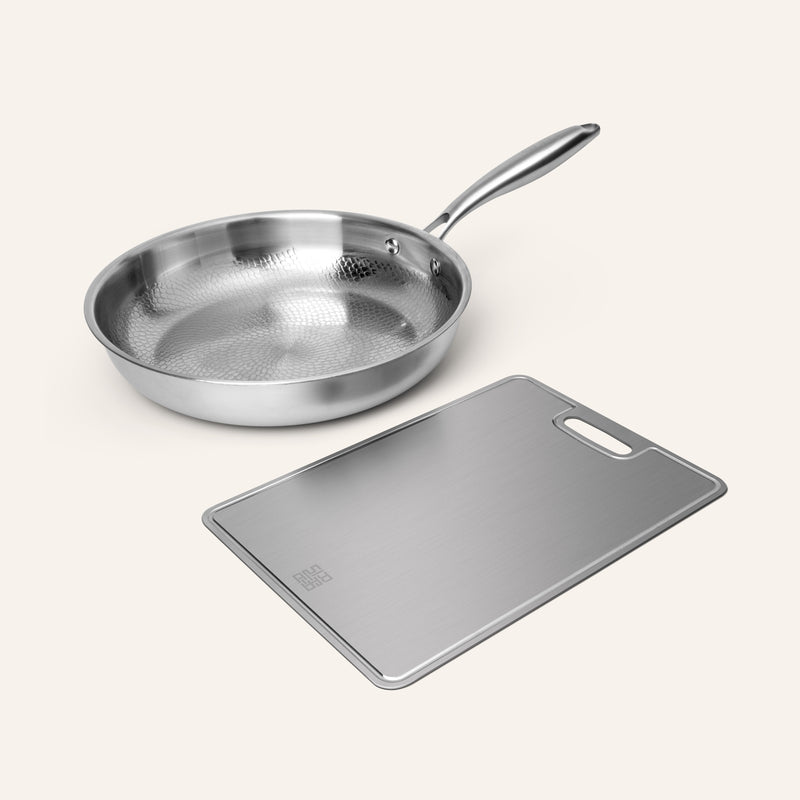
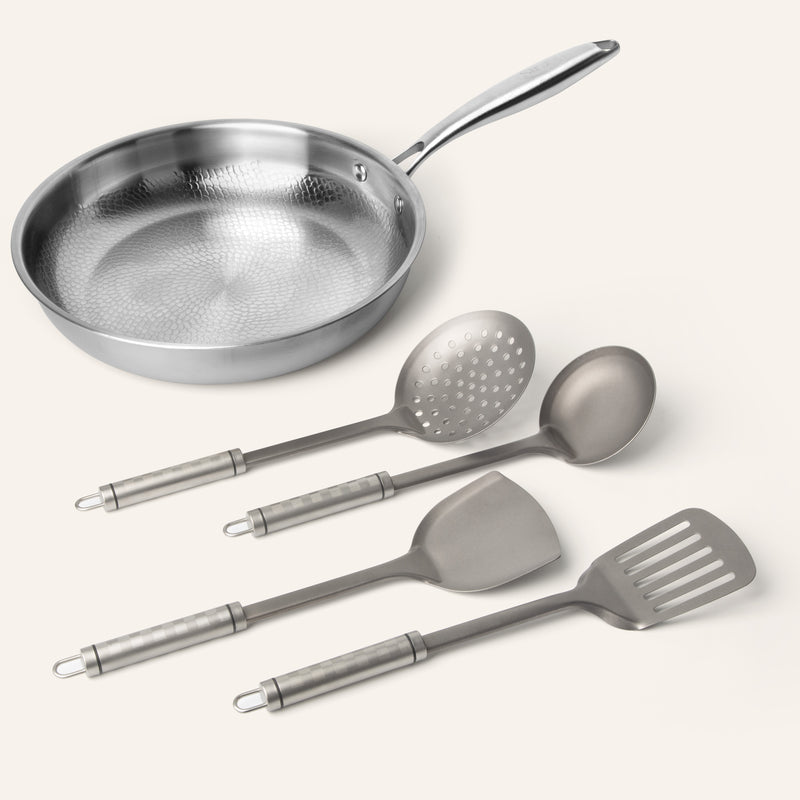
Der Siraat's Kitchen Titanium Hammered Pizza Steel ist genau mit dieser Schichtkonstruktion gebaut. Seine reine Titan-Kochfläche ist frei von PFAS-, PTFE- und PFOA-Beschichtungen, während der Aluminiumkern eine schnelle, gleichmäßige Wärmeverteilung für knusprige, gleichmäßig gebräunte Pizza fördert. In Kombination mit seiner Fähigkeit, Temperaturen von bis zu 548 °C (1000 °F) standzuhalten, wurde er für Hobbyköche entwickelt, die professionelle Ergebnisse ohne den zusätzlichen Pflegeaufwand, der mit herkömmlichem Kohlenstoffstahl verbunden ist, erzielen möchten.

Titan-gehämmertes Pizzastahl
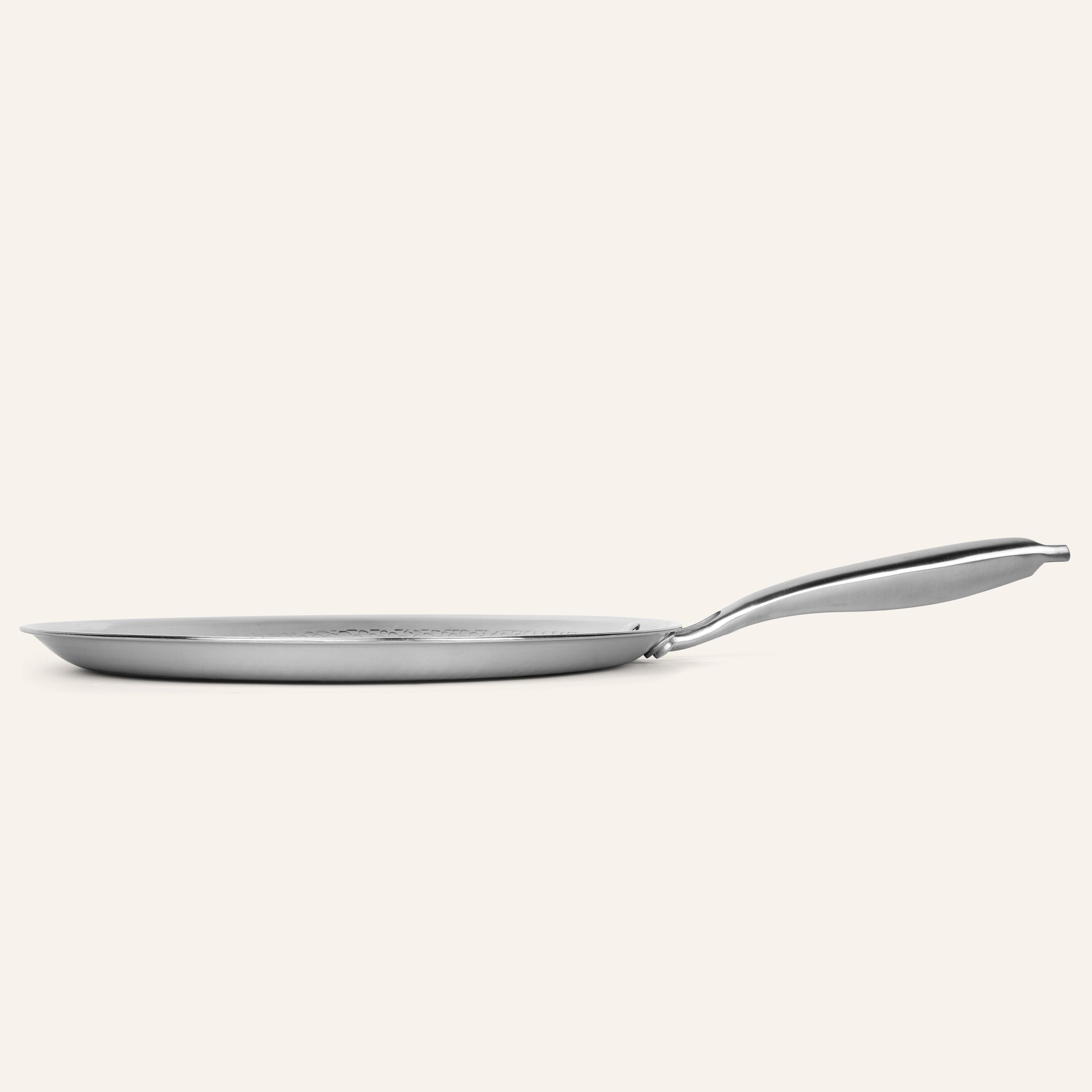
Der Pizzastahl aus gehämmertem Titan wurde speziell für das Backen von Pizza bei hohen Temperaturen entwickelt und sorgt für eine schnelle und gleichmäßige Hitzeverteilung für knusprige, goldbraune Böden. Hergestellt aus reinem, lebensmittelechtem Titan, verbessert die gehämmerte Oberfläche die Luftzirkulation und erleichtert so das Herauslösen der Pizza nach dem Backen. Er reißt nicht, nimmt keine Gerüche an, zersetzt sich nicht mit der Zeit und enthält keine Beschichtungen oder Schadstoffe.
Das Fazit: Die beste Pfanne zum Pizzabacken zu Hause wählen
Die beste Pfanne zum Pizzabacken hängt von Ihrem Backstil, der bevorzugten Kruste und der Häufigkeit ab, mit der Sie hausgemachte Pizza zubereiten. Pizzasteine sind eine gute Wahl für das Backen im Artisan-Stil, Gusseisen eignet sich hervorragend für Deep-Dish- und Pfannenpizzen, während Aluminium- und herkömmliche Antihaftpfannen eine praktische Lösung für gelegentliche Hobbyköche bieten. Wenn Sie jedoch die beste Balance aus Wärmeleistung, Haltbarkeit und Pflegeleichtigkeit suchen, ist ein Titan-Pizzastahl kaum zu übertreffen.
Egal, ob Sie klassische Pizza im neapolitanischen Stil, New York-Style-Slices backen oder mit Ihren eigenen Teigrezepten experimentieren, die Wahl der richtigen Backfläche kann einen spürbaren Unterschied machen. Die Investition in einen hochwertigen Pizzastahl bedeutet konsistentere Ergebnisse, eine bessere Kruste und ein angenehmeres hausgemachtes Pizzaerlebnis bei jedem Backen.