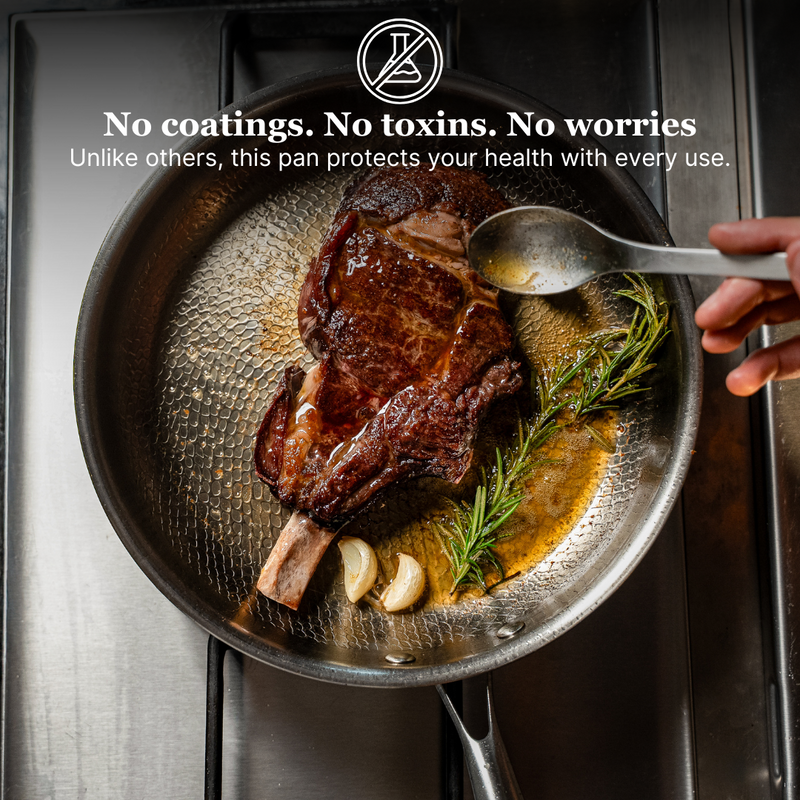




Die beste Pfanne zum Braten von Steak ist eine, die hohen Temperaturen standhält, diese gut speichert und gleichmäßig über die gesamte Bratfläche verteilt. Materialien wie Gusseisen, Titan, Kohlenstoffstahl und Edelstahl liefern alle hervorragende Ergebnisse, unterscheiden sich jedoch in Wärmespeicherung, Pflege, Haltbarkeit und dem allgemeinen Kocherlebnis.
Ein gutes Steak beginnt lange bevor es in die Pfanne kommt. Während die Qualität des Fleisches wichtig ist, spielt das verwendete Kochgeschirr eine ebenso wichtige Rolle bei der Entwicklung einer reichhaltigen, geschmackvollen Kruste und einer gleichmäßigen Bräunung. In diesem Leitfaden vergleichen wir die besten Pfannenmaterialien zum Braten von Steaks, erklären, was eine Pfanne für das scharfe Anbraten bei hoher Hitze geeignet macht und helfen Ihnen, die richtige Option für Sie zu finden.
Was macht die beste Pfanne zum Braten von Steaks aus?
Hohe Hitzebeständigkeit
Steak wird am besten bei hoher Hitze gebraten, besonders wenn Sie eine knusprige Kruste wünschen. Die Pfanne muss Temperaturen erreichen und halten können, die hoch genug sind, um die Maillard-Reaktion auszulösen – den chemischen Prozess, der für die reichhaltige Bräunung und den herzhaften Geschmack verantwortlich ist, die ein gut gebratenes Steak so ansprechend machen.
Nicht jedes Kochgeschirr ist für diese Art des Kochens ausgelegt. Einige Pfannen eignen sich am besten für moderate Hitze, sind aber nicht für wiederholtes scharfes Anbraten bei hohen Temperaturen gedacht. Eine Pfanne, die hohe Hitze sicher verträgt, bietet Ihnen mehr Flexibilität, egal ob Sie auf dem Herd kochen oder Ihr Steak im Ofen fertig garen.
Wärmespeicherung
Wenn ein kaltes Steak auf eine heiße Pfanne trifft, verliert die Bratfläche sofort einen Teil ihrer Hitze. Eine Pfanne mit guter Wärmespeicherung erholt sich schnell und bleibt während des gesamten Garvorgangs konstant heiß, wodurch das Steak eine gleichmäßige Kruste entwickeln kann, anstatt in den eigenen Säften zu dämpfen.
Dies wird besonders wichtig beim Braten dickerer Stücke oder der Zubereitung mehrerer Steaks, da Pfannen mit schlechter Wärmespeicherung Schwierigkeiten haben können, die für ein richtiges Anbraten erforderlichen Temperaturen aufrechtzuerhalten.
Gleichmäßige Wärmeverteilung
Eine hochwertige Steakpfanne sollte sich über ihre gesamte Bratfläche gleichmäßig erhitzen. Ungleichmäßige Erhitzung erzeugt Hotspots, die Teile des Steaks verbrennen können, während andere Bereiche unzureichend angebraten bleiben, was es schwieriger macht, eine gleichmäßige Kruste zu erzielen.
Materialien und mehrschichtiges Kochgeschirr, die für eine gleichmäßige Wärmeverteilung ausgelegt sind, tragen dazu bei, dass das Steak von Rand zu Rand gleichmäßig bräunt, was zu einem vorhersehbareren Garvorgang und einer besseren Gesamttextur führt.
Eine sichere, ungiftige Bratfläche
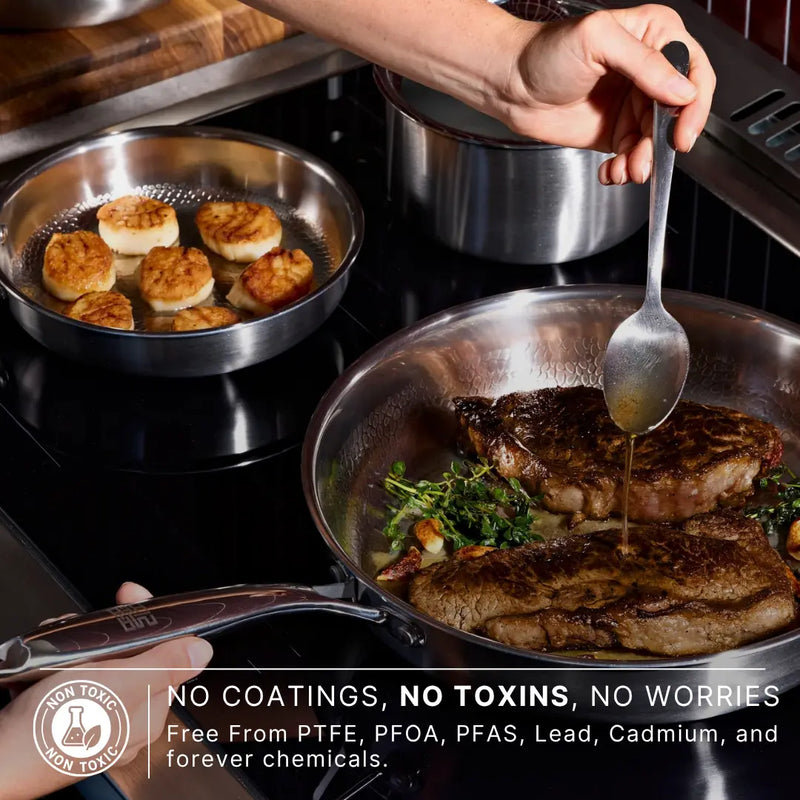
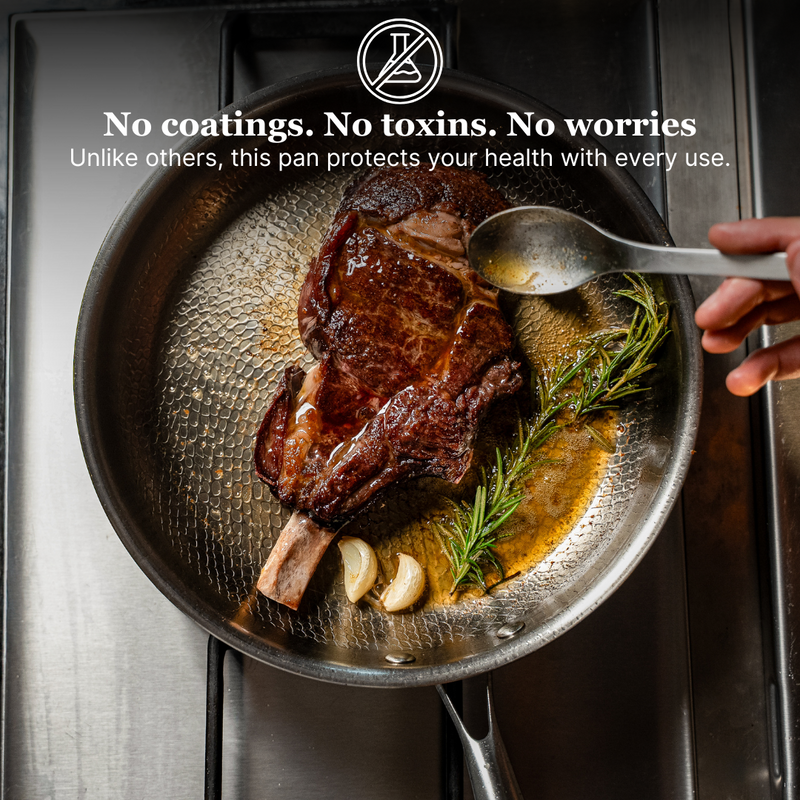
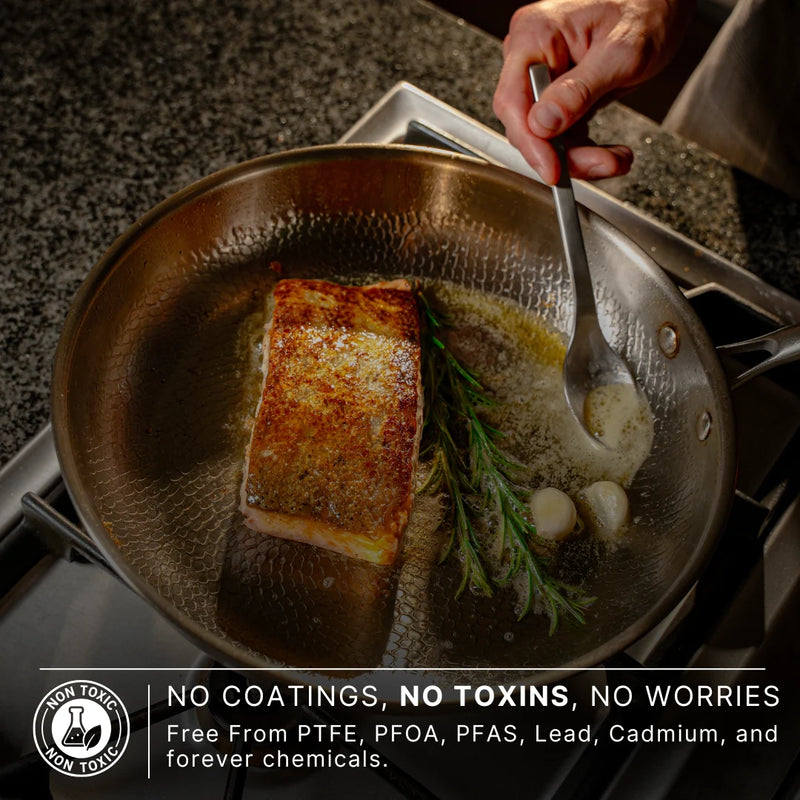
Hohes Erhitzen macht auch die Bratfläche selbst zu einem wichtigen Faktor. Viele Hobbyköche bevorzugen Kochgeschirr ohne synthetische Antihaftbeschichtungen, insbesondere für Aufgaben wie das Anbraten von Steaks, die hohe Temperaturen erfordern.
Kochgeschirr, das ohne PFAS, PTFE, PFOA, Blei oder Cadmium hergestellt wird, bietet eine Alternative für diejenigen, die die Exposition gegenüber diesen Materialien minimieren möchten. Über Sicherheitsaspekte hinaus sind unbeschichtete Bratflächen oft besser für die intensive Hitze geeignet, die für ein richtiges Anbraten in Steakhouse-Qualität erforderlich ist.

Beste Pfannenmaterialien zum Braten von Steaks im Vergleich
Gusseisen
Gusseisen gilt seit langem als eines der besten Materialien zum Braten von Steaks. Seine außergewöhnliche Wärmespeicherung ermöglicht es, auch nach Zugabe eines kalten Steaks heiß zu bleiben, weshalb es sich hervorragend für die Entwicklung einer tiefen und gleichmäßigen Kruste eignet. Es ist auch ofenfest und kann bei richtiger Pflege Jahrzehnte halten.
Vorteile:
-
Hervorragende Wärmespeicherung
-
Exzellent für scharfes Anbraten bei hohen Temperaturen
-
Entwickelt mit der Zeit eine natürlich gewürzte Bratfläche
-
Extrem langlebig und widerstandsfähig
Nachteile:
-
Schwer und recht unhandlich
-
Erfordert regelmäßiges Einbrennen und Pflege
-
Erhitzt sich langsamer als andere Materialien
-
Kann mit säurehaltigen Lebensmitteln reagieren, wenn die Würze beschädigt ist
Titan
Titan-Kochgeschirr kann eine ausgezeichnete Wahl zum Braten von Steaks sein, aber seine Leistung hängt von mehr als nur der Bratfläche ab. Hochwertige, vollständig verkleidete Titanpfannen kombinieren eine Titan-Bratfläche mit einem Aluminiumkern und einem Edelstahl-Äußeren, wodurch sie sich gleichmäßig erhitzen und gleichzeitig die Haltbarkeit und die nicht-reaktiven Eigenschaften beibehalten, für die Titan bekannt ist. Diese Konstruktion bietet die Hochleistungsfähigkeit, die zum Anbraten erforderlich ist.
Vorteile:
-
Hervorragende Hochleistungsfähigkeit bei vollständiger Verkleidung
-
Natürlich ungiftig
-
Aluminiumkern fördert schnelle, gleichmäßige Wärmeverteilung
-
Robuste Titan-Bratfläche widersteht Korrosion und alltäglicher Abnutzung
-
Leichter zu reinigen als viele traditionelle Steakpfannen
-
Natürlich nicht reaktiv und frei von synthetischen Antihaftbeschichtungen
-
Viele Modelle sind sicher für Metallutensilien, Backöfen, Induktionskochfelder und Geschirrspüler
Nachteile:
-
Hochwertiges, vollständig verkleidetes Titan-Kochgeschirr ist in der Regel teurer in der Anschaffung
-
Die Leistung variiert erheblich je nach Konstruktion der Pfanne, nicht nur der Titanoberfläche
Kohlenstoffstahl
Kohlenstoffstahl bietet viele der gleichen Kochvorteile wie Gusseisen, aber in einer leichteren und reaktionsschnelleren Pfanne. Er ist ein Favorit in vielen professionellen Küchen, weil er schnell erhitzt, bei hoher Hitze gut funktioniert und bei regelmäßigem Gebrauch eine natürlich gewürzte Oberfläche entwickelt.
Vorteile:
-
Hervorragend zum scharfen Anbraten
-
Leichter als Gusseisen
-
Heizt schnell auf und reagiert gut auf Temperaturänderungen
-
Entwickelt mit der Zeit eine natürliche Patina
Nachteile:
-
Erfordert Einbrennen und fortlaufende Pflege
-
Kann rosten, wenn es nicht richtig getrocknet und gelagert wird
-
Weniger fehlerverzeihend für Anfänger
Edelstahl
Edelstahl ist eine vielseitige Wahl, die bei richtiger Anwendung ein hervorragendes Steak hervorbringen kann. Hochwertige Mehrschichtpfannen heizen gleichmäßiger als einschichtiger Edelstahl und werden häufig zum Anbraten, Bräunen und Herstellen von Soßen verwendet. Sie erfordern jedoch eine ordnungsgemäße Vorheizung und Technik, um das Anhaften von Speisen zu verhindern.
Vorteile:
-
Hervorragend zum Anbraten, Bräunen und Ablöschen
-
Langlebig und resistent gegen Rost und Korrosion
-
Hochwertige Mehrschichtkonstruktion sorgt für gleichmäßigere Erhitzung
-
Kompatibel mit praktisch allen Kochfeldern, einschließlich Induktion
Nachteile:
-
Speisen können anhaften, wenn die Pfanne nicht richtig vorgeheizt wird
-
Eingebrannte Rückstände erfordern oft Einweichen oder Schrubben
-
Die Leistung hängt stark von der Qualität der Pfannenkonstruktion ab
-
Kann mit der Zeit Verfärbungen oder Flecken entwickeln, insbesondere nach dem Braten bei hoher Hitze
| Tipp | Warum es wichtig ist |
| Pfanne vorheizen | Eine gründlich erhitzte Pfanne sorgt für ein besseres Anbraten, fördert eine gleichmäßige Bräunung und hilft, das Anhaften zu reduzieren. |
| Steak trocken tupfen | Das Entfernen der Oberflächenfeuchtigkeit hilft dem Steak, schnell zu bräunen, anstatt zu dämpfen. |
| Öl mit hohem Rauchpunkt verwenden | Öle wie Avocado- oder Traubenkernöl funktionieren bei den für das Anbraten benötigten hohen Temperaturen besser. |
| Steak nicht zu früh bewegen | Das ungestörte Braten des Steaks ermöglicht die Entwicklung einer geschmackvollen Kruste, bevor es gewendet wird. |
| Steak vor dem Schneiden ruhen lassen | Das Ruhen des Steaks für 5–10 Minuten hilft, die Säfte für ein zarteres und schmackhafteres Ergebnis umzuverteilen. |
Tipps für das perfekte Steak in der richtigen Pfanne
Auch die beste Pfanne zum Braten von Steaks kann allein keine hervorragenden Ergebnisse garantieren. Ein paar einfache Techniken können den Unterschied zwischen einem blassen, ungleichmäßig gegarten Steak und einem mit einer reichen, geschmackvollen Kruste und einem saftigen Inneren ausmachen.
Pfanne richtig vorheizen
Eine heiße Pfanne ist unerlässlich, um ein gutes Anbraten zu erzielen. Geben Sie Ihrer Pfanne ein paar Minuten Zeit, um gründlich aufzuheizen, bevor Sie Öl oder das Steak hinzufügen. Das Starten mit einer richtig vorgeheizten Oberfläche hilft, eine gleichmäßige Kruste zu erzeugen und reduziert die Wahrscheinlichkeit, dass das Fleisch anhaftet.
Steak trocken tupfen
Feuchtigkeit ist der Feind des Bratens. Tupfen Sie das Steak vor dem Kochen mit Papiertüchern trocken, um überschüssige Oberflächenfeuchtigkeit zu entfernen. Eine trockene Oberfläche ermöglicht es dem Steak, schneller anzubraten und eine tiefere, gleichmäßigere Kruste zu entwickeln.
Verwenden Sie ein Öl mit hohem Rauchpunkt
Wählen Sie ein Öl, das hohen Kochtemperaturen standhält, wie Avocadoöl, raffiniertes Olivenöl, Traubenkernöl oder Reisöl. Wenn Sie eine Titanpfanne mit einer natürlichen Bratfläche verwenden, hilft eine kleine Menge Öl mit hohem Rauchpunkt auch deren Antihaftwirkung.
Vermeiden Sie es, das Steak zu früh zu bewegen
Sobald das Steak in der Pfanne ist, widerstehen Sie dem Drang, es zu bewegen. Lassen Sie es ungestört garen, bis sich eine Kruste auf natürliche Weise bildet. Wenn es zum Wenden bereit ist, löst sich das Steak leichter von der Bratfläche.
Steak vor dem Schneiden ruhen lassen
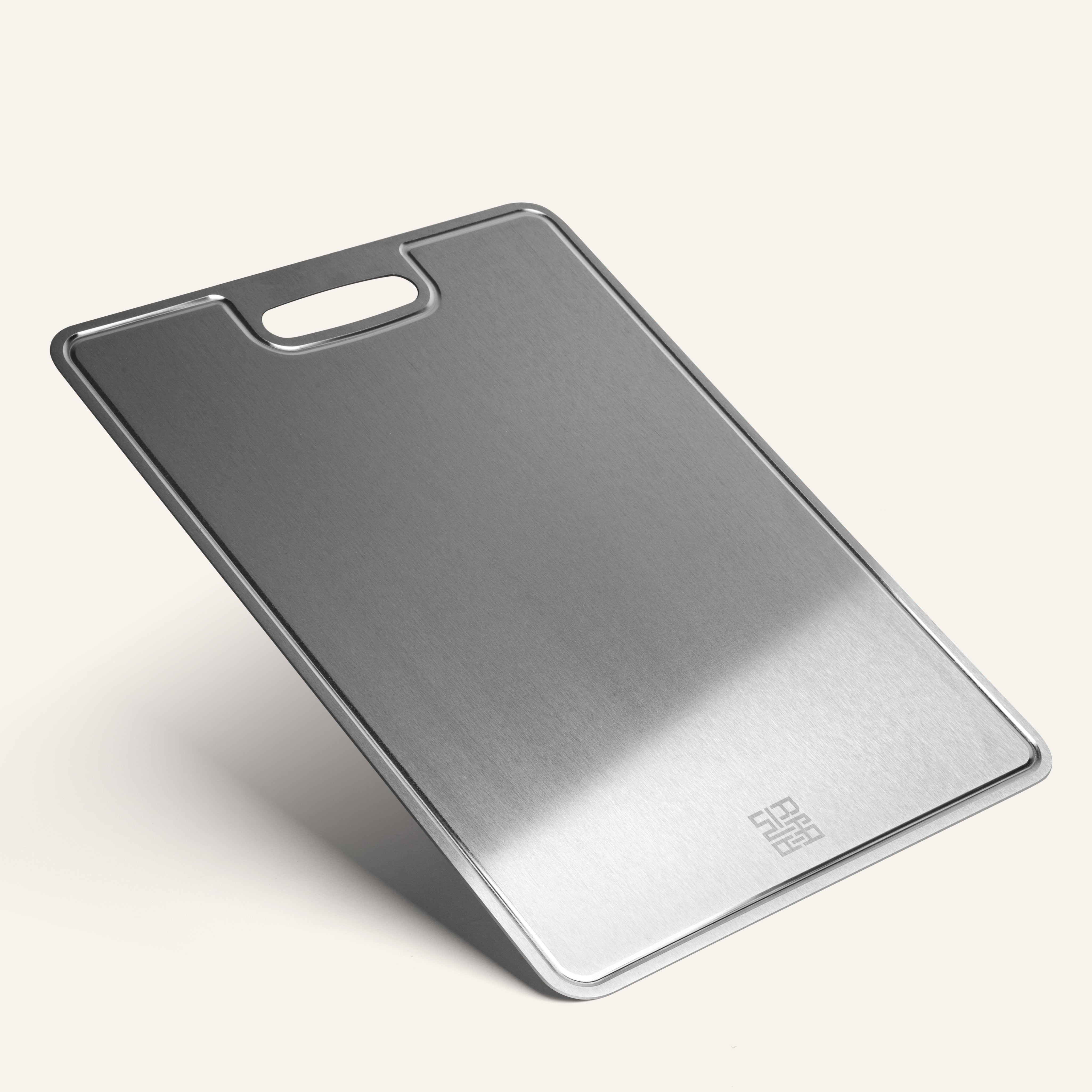
Nach dem Braten das Steak auf ein Schneidebrett legen und 5–10 Minuten ruhen lassen, bevor Sie es aufschneiden. Dies ermöglicht es den Säften, sich im Fleisch zu verteilen, was dazu beiträgt, jeden Bissen zarter und geschmackvoller zu machen.
Sind Titanpfannen gut zum Braten von Steaks geeignet?
Ja, hochwertige Titanpfannen können eine ausgezeichnete Wahl zum Braten von Steaks sein, insbesondere wenn sie mit einer vollständig verkleideten Konstruktion gebaut sind. Titan wird oft mit Haltbarkeit in Verbindung gebracht, aber das Gesamtdesign der Pfanne ist ebenso wichtig. Eine vollständig verkleidete Pfanne mit einem Aluminiumkern und einer Titan-Bratfläche kombiniert eine schnelle, gleichmäßige Wärmeverteilung mit der Stärke und Korrosionsbeständigkeit von Titan, wodurch sie sich gut für das Kochen bei hoher Hitze eignet.
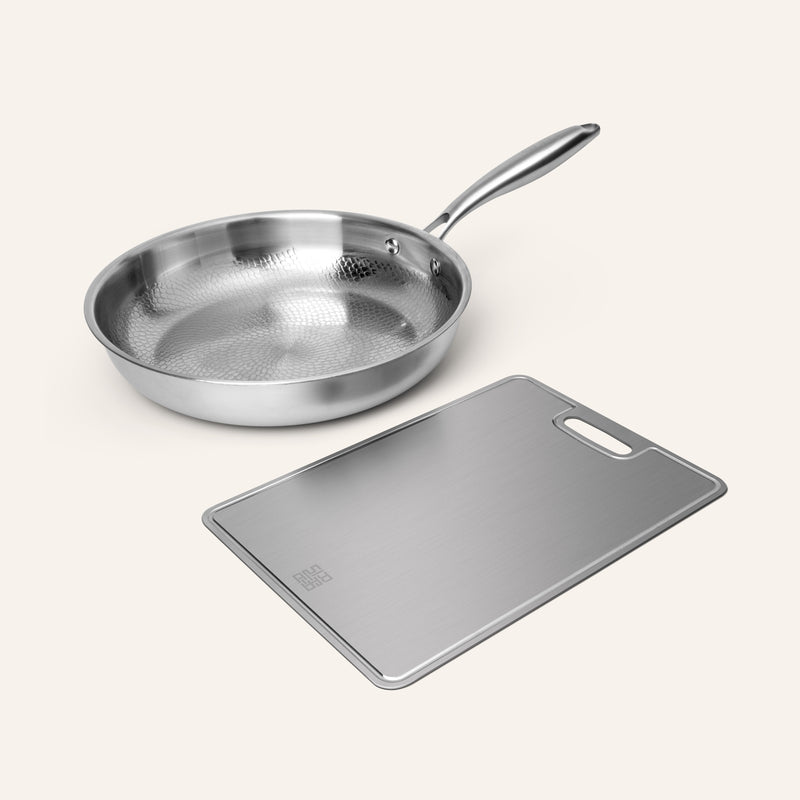
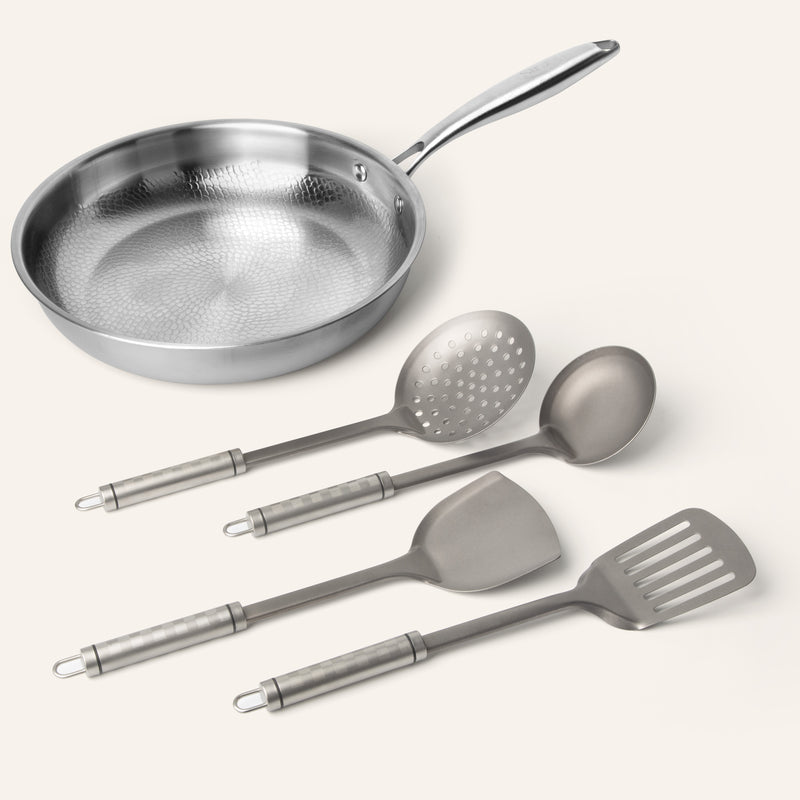
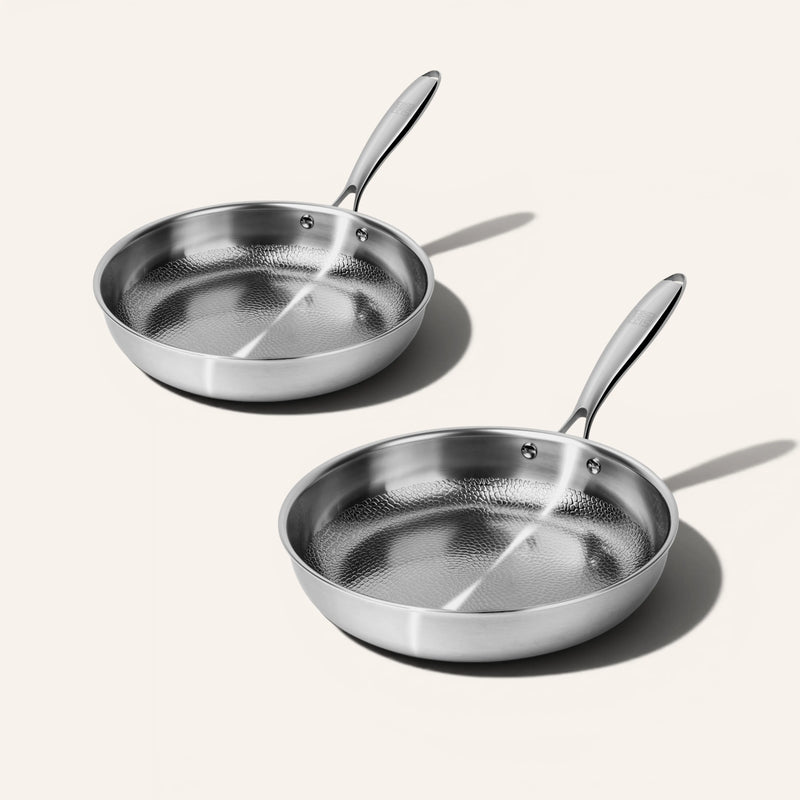
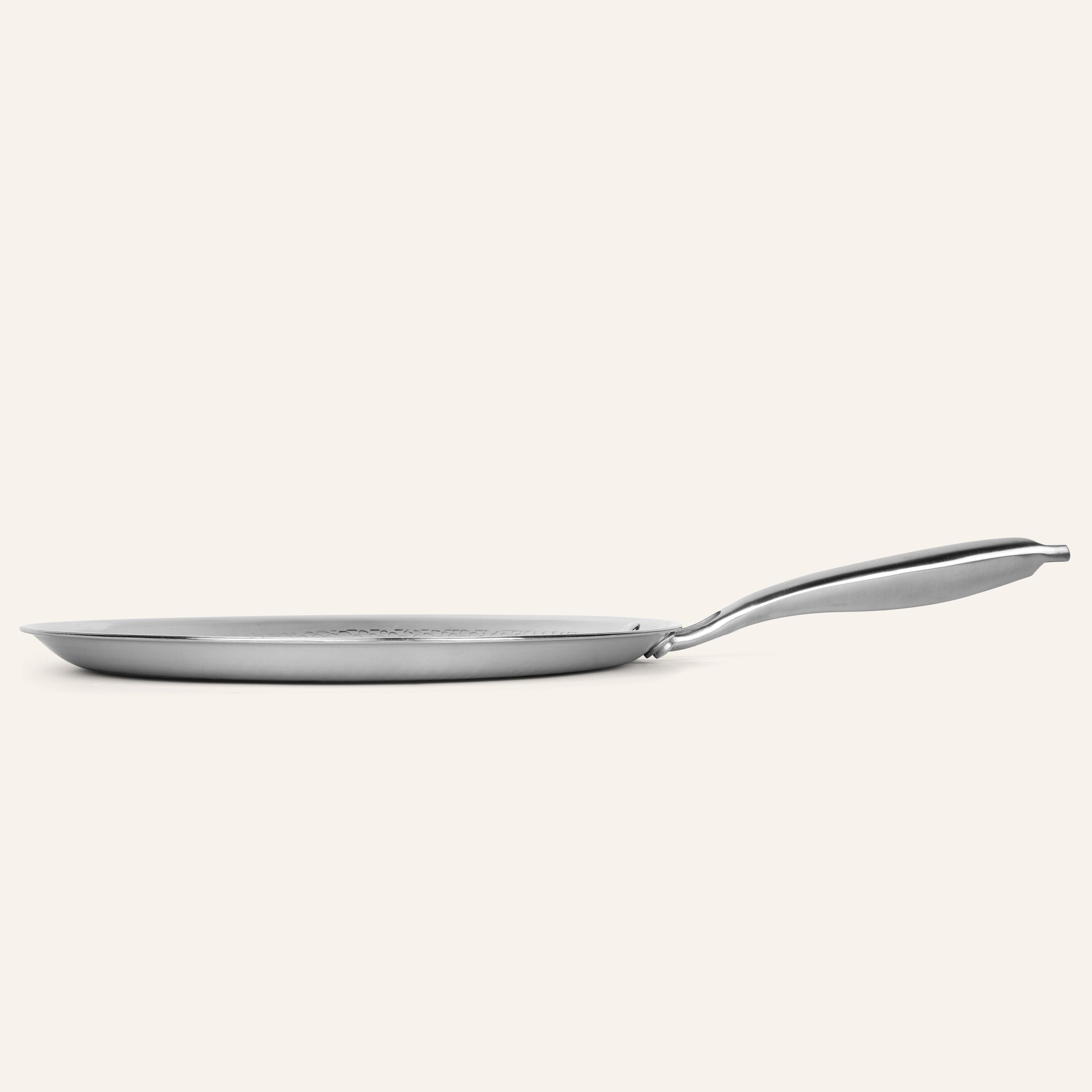
Im Gegensatz zu herkömmlichem Antihaft-Kochgeschirr sind Titanpfannen mit einer unbeschichteten Bratfläche nicht auf synthetische Beschichtungen angewiesen, um Speisen zu lösen. Stattdessen schaffen sie, wenn sie richtig vorgeheizt und mit einer kleinen Menge Öl mit hohem Rauchpunkt verwendet werden, die idealen Bedingungen für die Entwicklung einer reichen, geschmackvollen Kruste, während sie nach dem Kochen leicht zu reinigen sind. Einige Titanpfannen, wie die Siraat Titanium Hammered Pan Pro, verfügen auch über eine gehämmerte Bratfläche, die die Freisetzung von Speisen verbessert und ein natürlich anhaftungsarmes Kocherlebnis bietet.
Ein weiterer Vorteil ist die Vielseitigkeit. Eine gut verarbeitete Titanpfanne kann vom Herd in den Ofen gestellt werden, hält Temperaturen stand, die für viele herkömmliche Antihaftpfannen zu hoch wären, und hält dem täglichen Gebrauch stand, ohne leicht zu zerkratzen oder zu verschleißen.
Das Urteil: Die beste Pfanne zum Braten von Steaks auswählen
Die beste Pfanne zum Braten von Steaks ist eine, die hohe Hitze verträgt, diese gut speichert und gleichmäßig über die Bratfläche verteilt. Während Gusseisen, Kohlenstoffstahl, Edelstahl und Titan alle hervorragende Ergebnisse liefern können, hängt die richtige Wahl letztendlich von Ihren Kochvorlieben und dem Wartungsaufwand ab, den Sie bereit sind zu betreiben.
Wenn Sie eine Pfanne suchen, die hohe Leistung bei hoher Hitze mit alltäglicher Vielseitigkeit verbindet, ist eine gut gebaute, vollständig verkleidete Titanpfanne eine überzeugende Option. Sie bietet gleichmäßiges Erhitzen, außergewöhnliche Haltbarkeit und eine Bratfläche frei von synthetischen Antihaftbeschichtungen, während sie gleichzeitig pflegeleicht ist und für eine Vielzahl von Kochaufgaben über das Steak hinaus geeignet ist. Die Investition in hochwertiges Kochgeschirr bietet Ihnen die konstante Leistung, die Sie benötigen, um jedes Mal eine wunderschön angebratene Kruste und köstliche Ergebnisse zu erzielen.