WAREHOUSE CLEARANCE 📦
 BUNDLES & SETS
 Titanium Hammered Pan Pro Mini
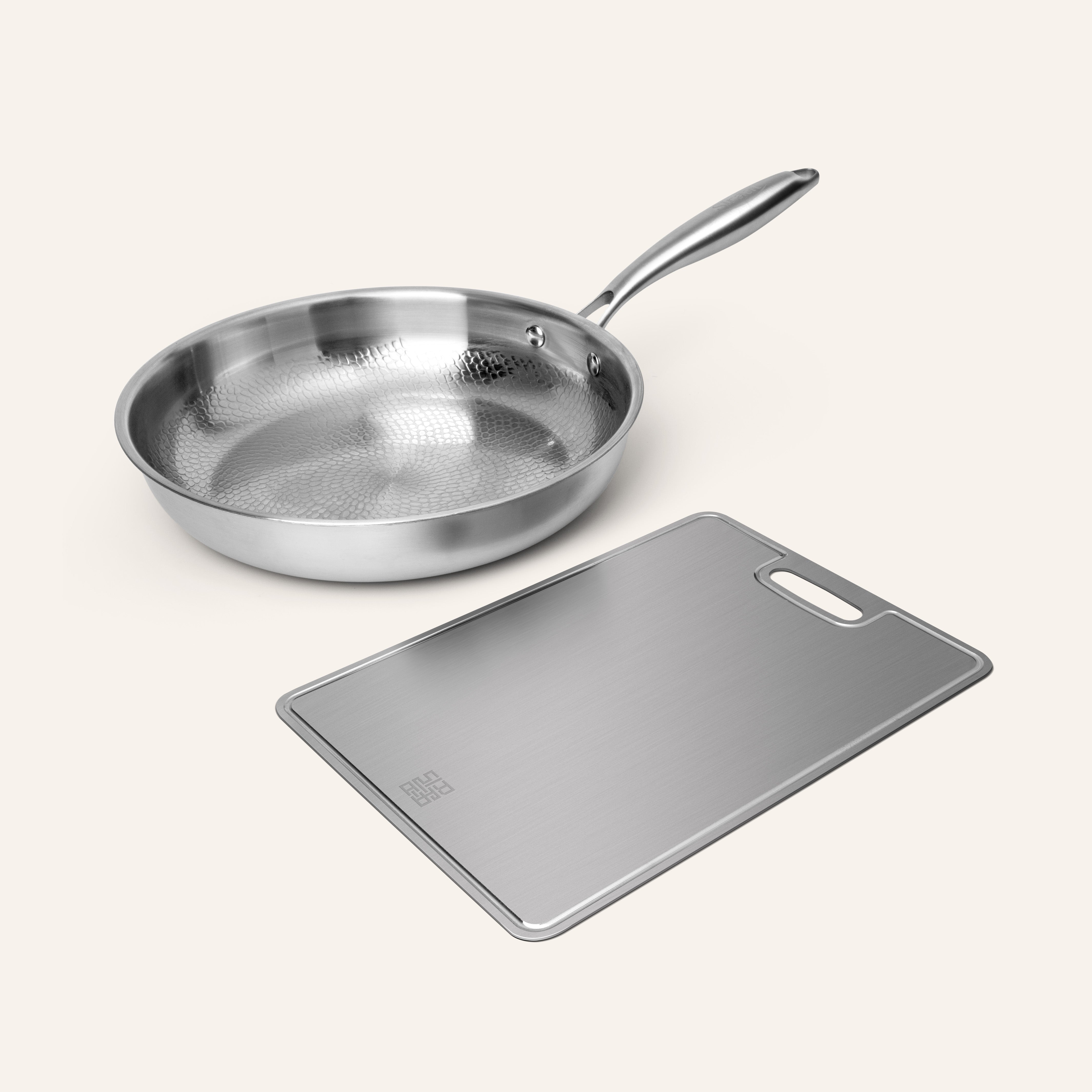
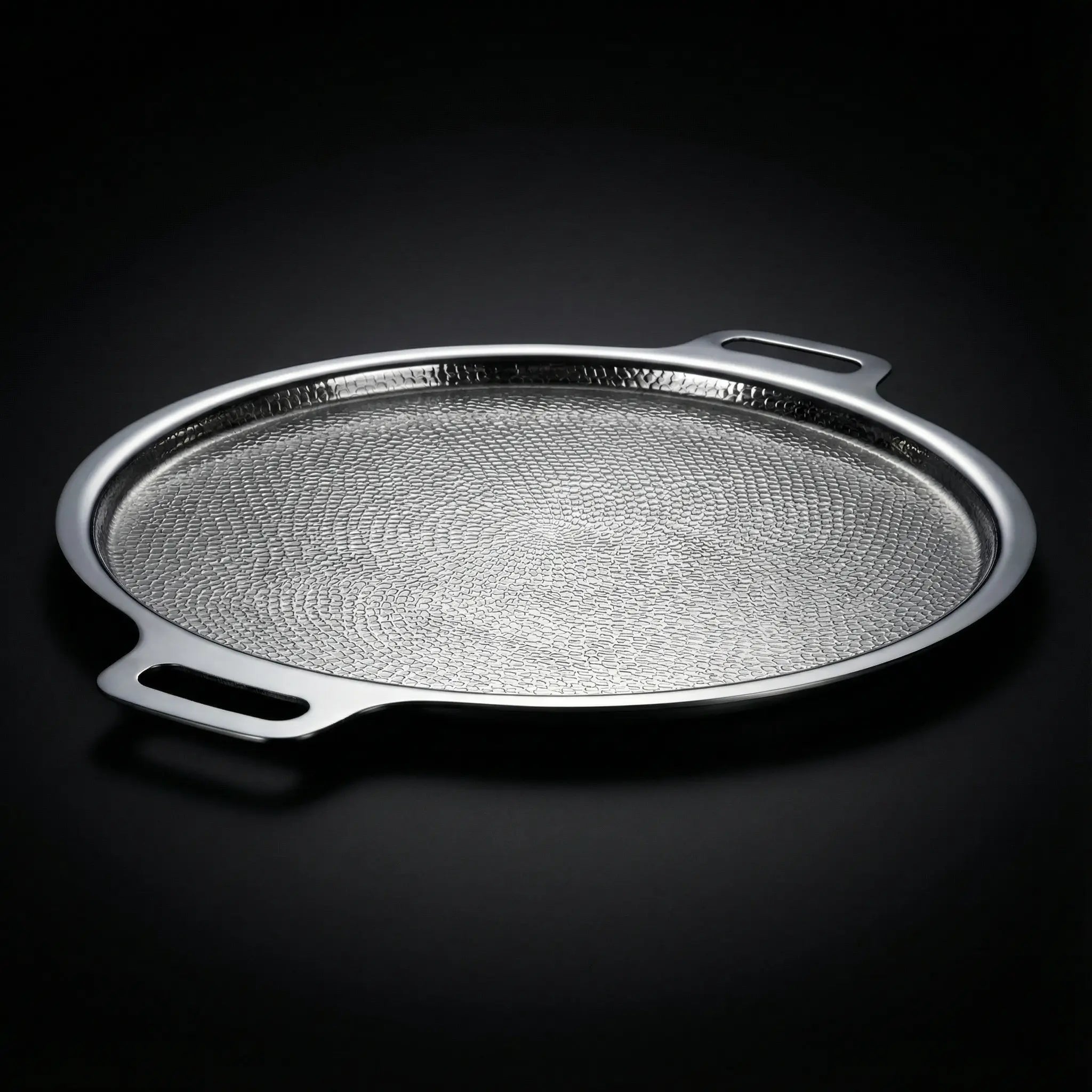
 Titanium Hammered Pizza Steel
 Titanium Hammered Pan Pro Standard
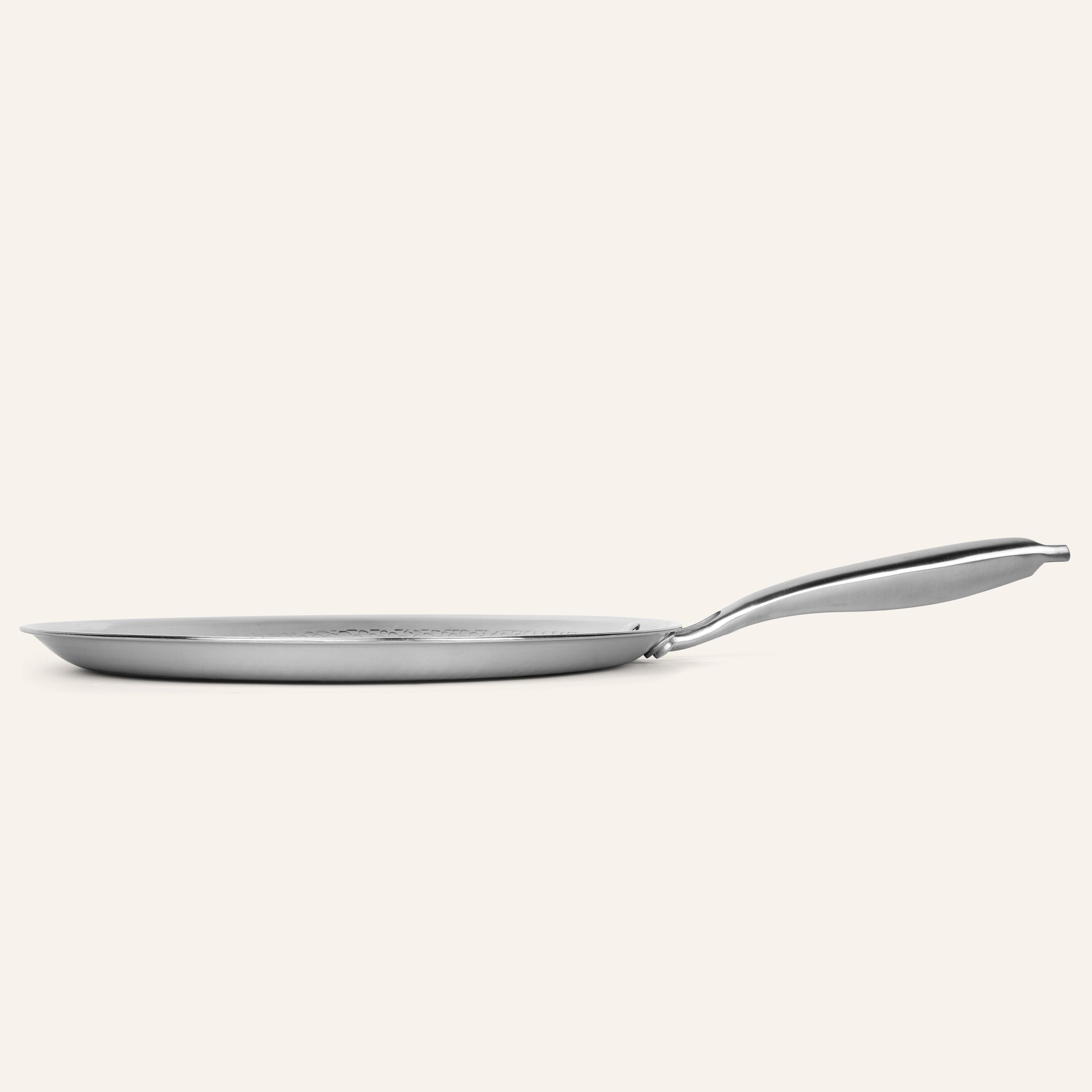
 Titanium Hammered Crêpe Pan Pro
 Titanium Hammered Pan Pro Small
 Titanium Hammered Wok Pan Pro
 Titanium Hammered Pan Pro Large
 Titanium Hammered Deep Pan Pro
 Titanium Hammered Roasting Pan
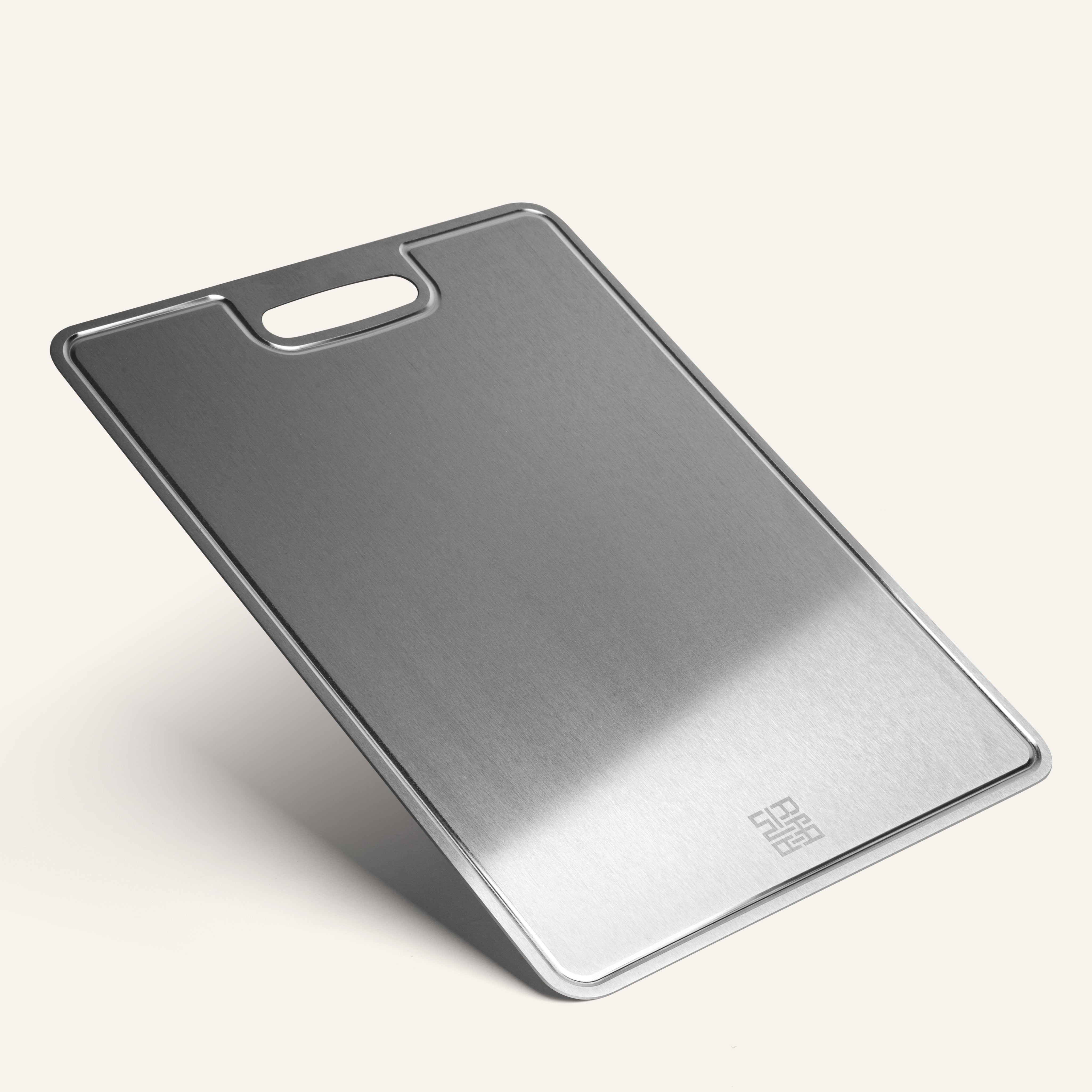
 Titanium Cutting Board (Anti-Microbial)
 Titanium Cutting Board Bundle
 Siraat Signature Apron (Azure)
 Siraat Signature Apron (Oak)
 Siraat Signature Apron (Moss)
 Siraat Signature Apron (Ember)
 Salt & Pepper Mill Set
 Salt Mill
 Pepper Mill
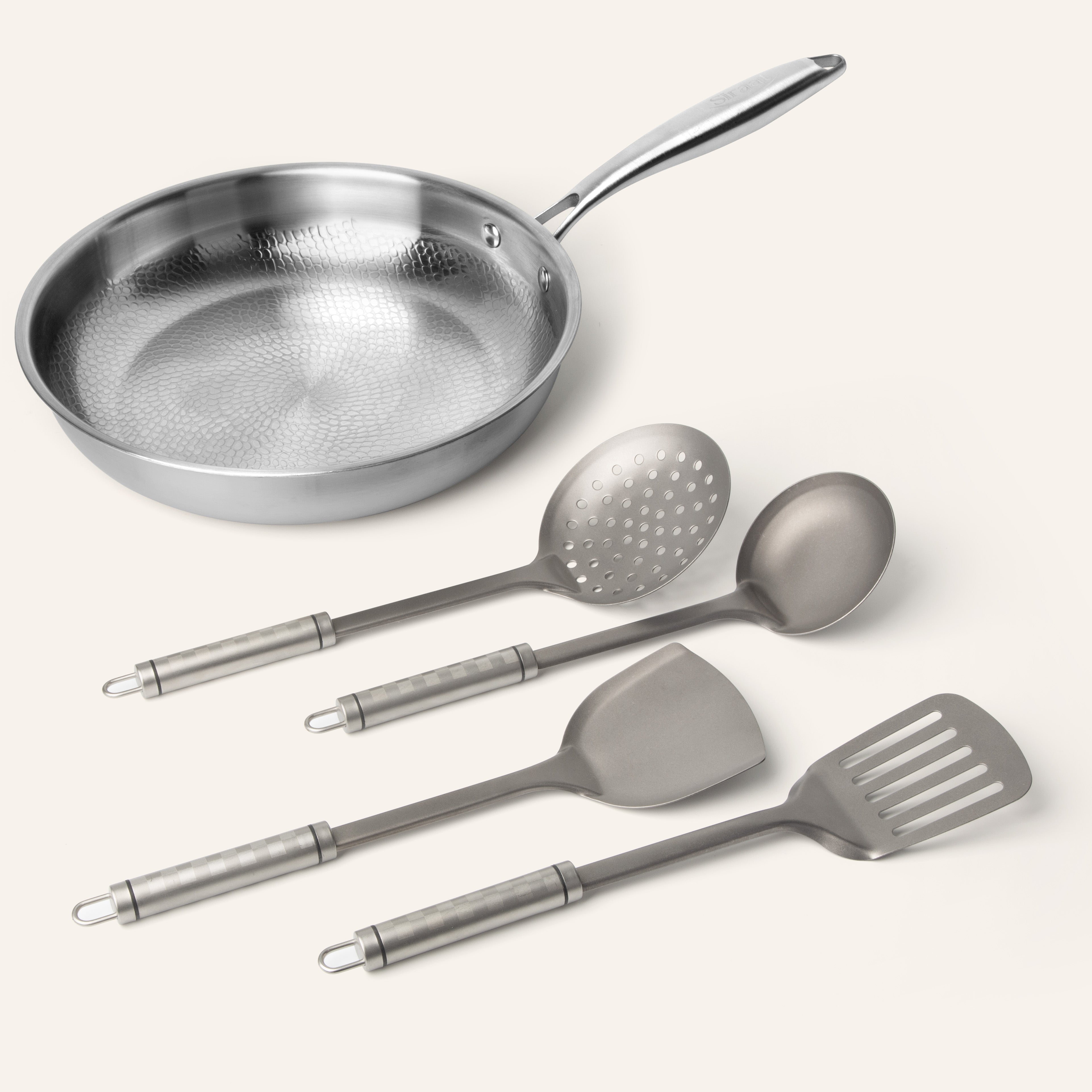
 Titanium Utensil Set Bundle
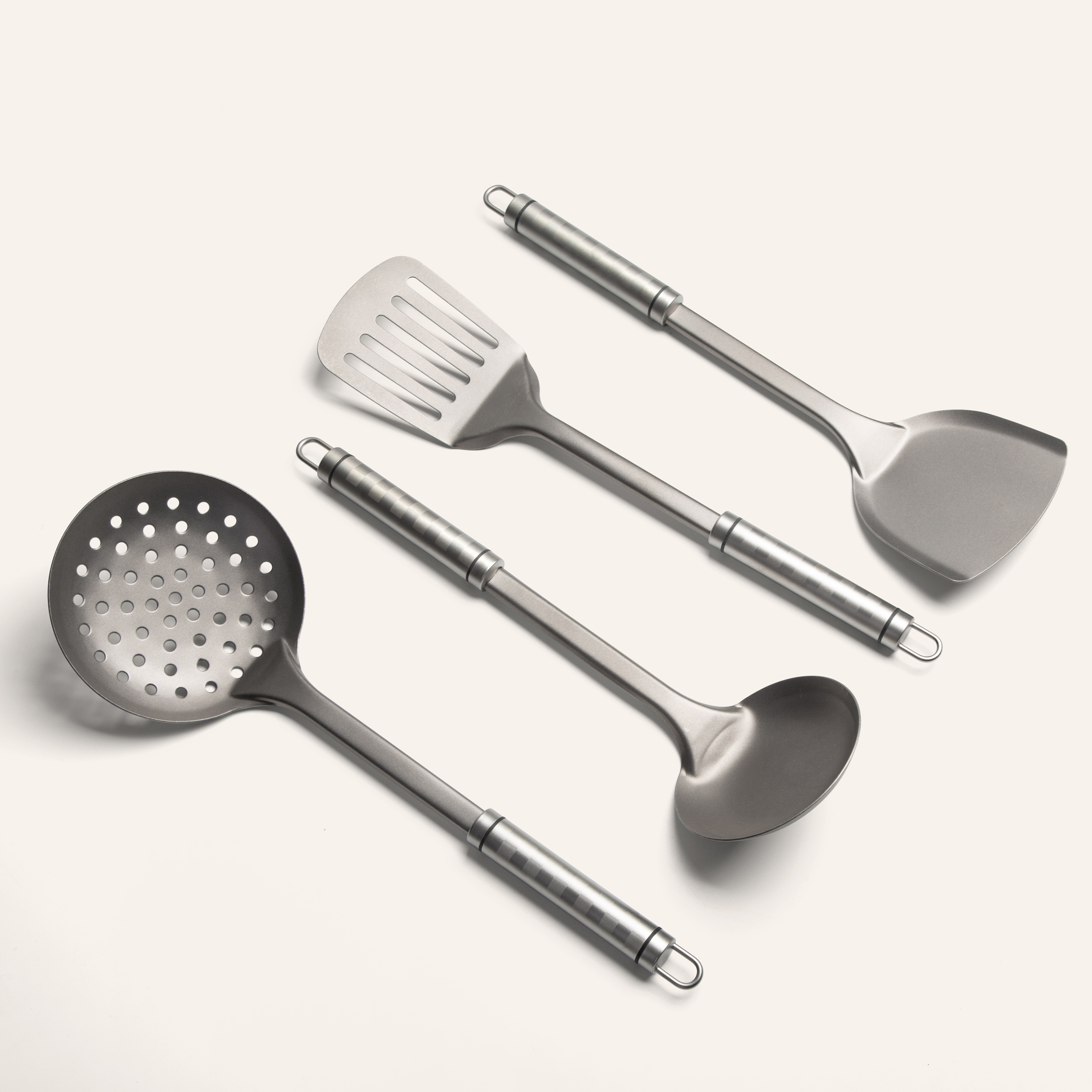
 Titanium Utensil
 Grill Press
 Pizza Wheel
 Rolling Knife Sharpener
 Magnetic Cherry Wood Trivet
 Stainless Steel Lid
 Cherry Wood Mini Trivet
 Titanium Ice Cubes
 Titanium Straws
 Non Slip Mat For Cutting Board
 Diatomite Mat Anthracite
 Titanium Water Bottle









Yes, titanium cutting boards can be a good choice for home kitchens – especially for households that prioritize hygiene, durability, and low maintenance. However, they may not be the best option for every home, particularly for those who prioritize maximum knife preservation or lower upfront cost.
Titanium cutting boards can be a modern alternative to traditional wood or plastic boards. They are known for their scratch resistance, longevity, and non-porous surface. At the same time, some cooks wonder whether they are practical for everyday cooking and worth the investment. This guide will explain the benefits and potential drawbacks of titanium cutting boards to help you decide whether they are the right choice for your kitchen.
The Main Benefits of Titanium Cutting Boards
Hygiene and Food Safety
One of the strongest arguments in favor of titanium cutting boards is their non-porous, non-toxic surface. The material does not absorb moisture or trap liquids, odors, or food particles beneath the surface. This generally makes it easier to clean compared to many traditional cutting board materials. It’s particularly useful when preparing meat, fish, and strongly scented ingredients like onion or garlic.
For households that prioritize food safety, frequently handle raw protein, or have food sensitivities or allergies, this can be a meaningful advantage. Because the surface is resistant to deep knife marks, there are typically fewer areas where bacteria can accumulate compared to heavily used plastic or wooden boards.
Durability and Longevity
Titanium is an exceptionally strong, stable, and durable metal. In kitchen settings, this translates to a cutting surface that doesn’t warp, crack, or split over time. It doesn’t require regular oiling for maintenance, and it also doesn’t gradually wear down or develop deep, permanent knife grooves. A high-quality titanium board can last decades, which is a strong benefit for home cooks who don’t want to replace their cutting boards regularly.
Ease of Maintenance
Another practical advantage of titanium cutting boards is that they are easy to clean and maintain. In most cases, simple washing with warm water and dish soap followed by drying is sufficient. There is no need for sanding, sealing, or oiling. Titanium cutting boards are resistant to staining and odor retention. For many households – especially those cooking daily – this low-maintenance aspect is one of the most appealing features.
Scratch Resistance & Surface Integrity
Over time, many cutting boards show visible wear – including deep knife marks, grooves, and surface irregularities, particularly in wooden and plastic cutting boards. Titanium resists deep scratching and surface damage more effectively than many traditional materials. While light cosmetic marks may appear with regular use, the overall structure and surface integrity remain intact. This helps maintain a consistent cutting surface without the unevenness that can develop in heavily used boards.
Sustainability
Households that value sustainability may appreciate the long lifespan of titanium cutting boards. Because they are designed to last for many years, they typically do not need to be replaced as frequently as boards made from other materials. This extended durability can contribute to lower long-term material waste. For home cooks thinking not just about performance, but also about the environment and long-term consumption habits, this can be an important consideration.

Potential Drawbacks of Titanium Cutting Boards
Impact on Knives
One of the most common concerns about titanium cutting boards is whether they dull knives. Compared to softer materials like plastic or wood, titanium is much firmer, which may lead to faster edge wear over time. However, this doesn’t mean the knives would chip or suffer structural damage – it simply means they may need to be honed and sharpened more often. For some cooks, this might be a drawback. Others who own high-quality knives and are comfortable with regular maintenance may consider it a reasonable trade-off in exchange for durability and hygiene.
Higher Upfront Cost
Titanium cutting boards typically come at a higher initial price compared to plastic or entry-level wooden options. For some households, the investment might feel difficult to justify. However, the long-term value depends on how often you cook and how frequently you replace other types of boards. If a cutting board is replaced every few years due to warping, deep staining, grooves, or wear, the long-term cost comparison might look different. For occasional cooks, though, a more affordable option may be entirely sufficient.
Are Titanium Cutting Boards Better Than Wood, Plastic, Glass and Stainless Steel Boards?
To understand whether titanium cutting boards are truly “good” for a home kitchen, it helps to see how they compare to other common materials.
Wood is one of the most widely used cutting board materials. While wooden boards are often considered the most knife-friendly option, over time, they can absorb moisture and odors, develop stains, or crack if not properly cared for. Wood also requires regular maintenance, including oiling and proper drying. For cooks who enjoy caring for their tools and want to minimize sharpening frequency, wood remains a strong choice. For those seeking minimal upkeep, it may feel demanding.
Plastic cutting boards are affordable and widely available. They are lightweight and commonly used in many home kitchens. The drawback is that plastic surfaces tend to develop deep grooves from knife use. These grooves may trap food particles and bacteria, and heavily used boards often need replacement every few years. There are also rising concerns about microplastics potentially entering food. While practical, plastic boards are not always the most durable long-term option.
Glass and marble cutting boards are visually appealing and easy to wipe clean. However, they are extremely hard surfaces and among the least forgiving options when it comes to knife wear. Frequent use can dull blades quickly and, in some cases, even lead to chipping. For most home kitchens, these materials are better suited for serving or presentation rather than daily food preparation.
Stainless steel cutting boards share some similarities with titanium in terms of hygiene and their non-porous surface. They are resistant to staining and easy to sanitize. However, stainless steel can feel heavier and colder under the knife. Like other very hard materials, it may contribute to faster edge wear compared to softer materials. Additionally, stainless steel surfaces tend to show scratches more visibly over time and may lack the balance between durability and surface performance that titanium aims to provide.

Our Durable Non-Toxic Cutting Boards
100% pure titanium. Antibacterial, scratch-proof, toxin-free. Built to last, for chefs who demand the best
Final Verdict: Should You Use Titanium Cutting Boards in Your Home Kitchen?
Titanium cutting boards can be a good fit for households that value hygiene, durability, and minimal maintenance. They offer a stable, long-lasting surface that resists deep wear and doesn’t require ongoing conditioning or special care.
At the same time, they are not a universal solution. If preserving knife sharpness for as long as possible is your top priority, another material might feel more comfortable. And for occasional cooks on a tight budget, cheaper materials may be sufficient.
Ultimately, titanium cutting boards are best suited for home kitchens where frequent cooking, food safety, and long-term reliability matter the most. Like many other kitchen tools, the right choice depends less on whether the material is objectively “good”, and more on whether it aligns with how you cook.