WAREHOUSE CLEARANCE 📦
 BUNDLES & SETS
 Titanium Hammered Pan Pro Mini
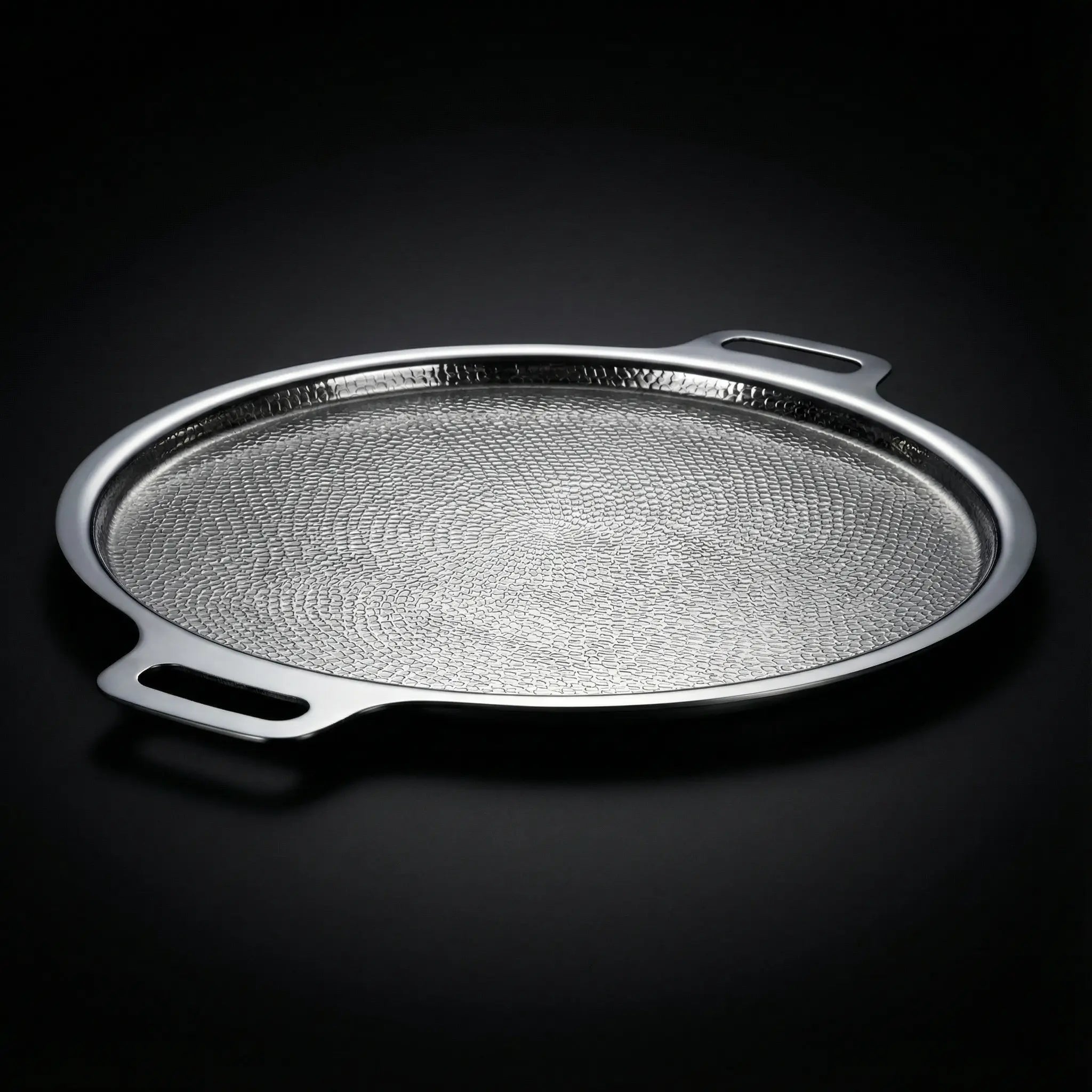
 Titanium Hammered Pizza Steel
 Titanium Hammered Pan Pro Standard
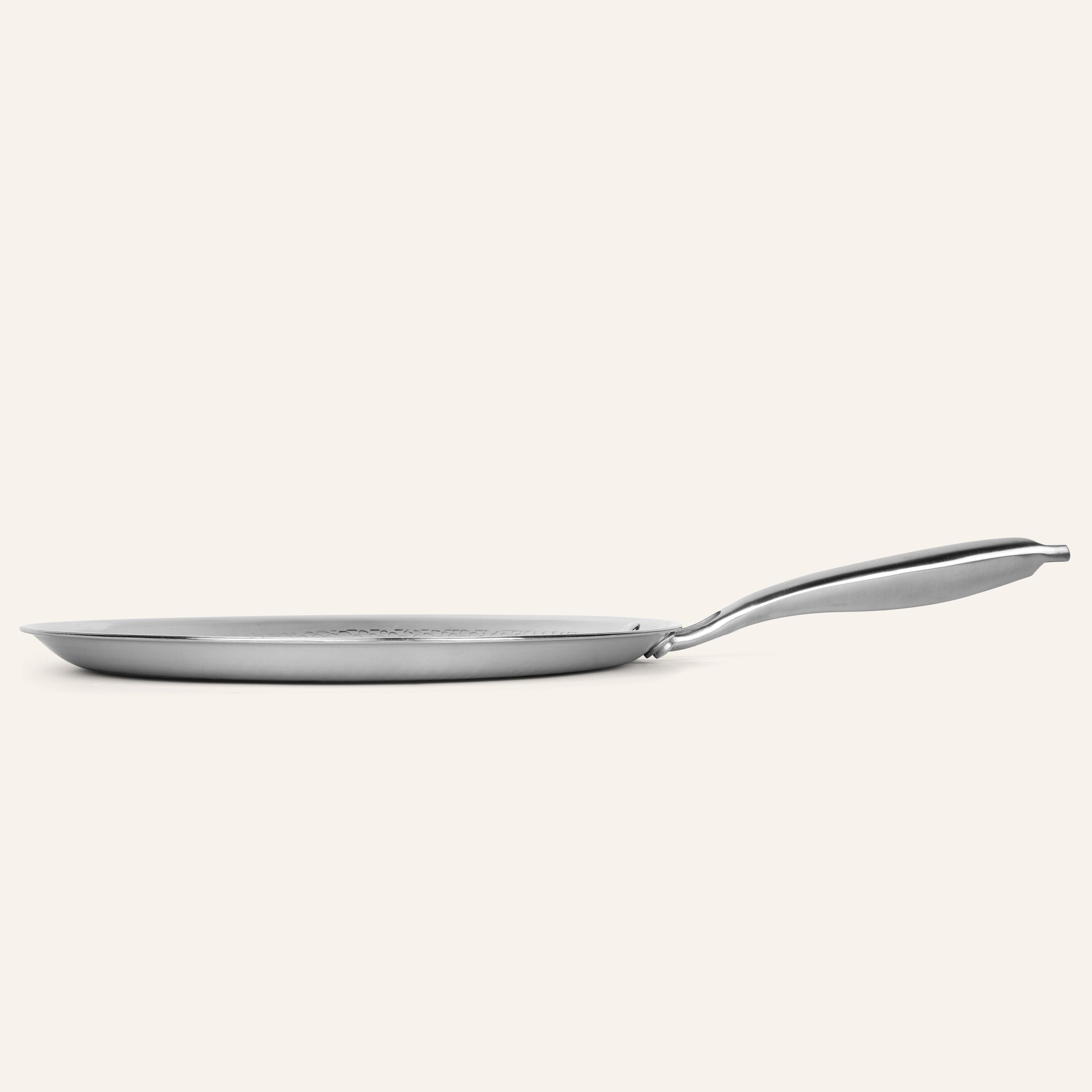
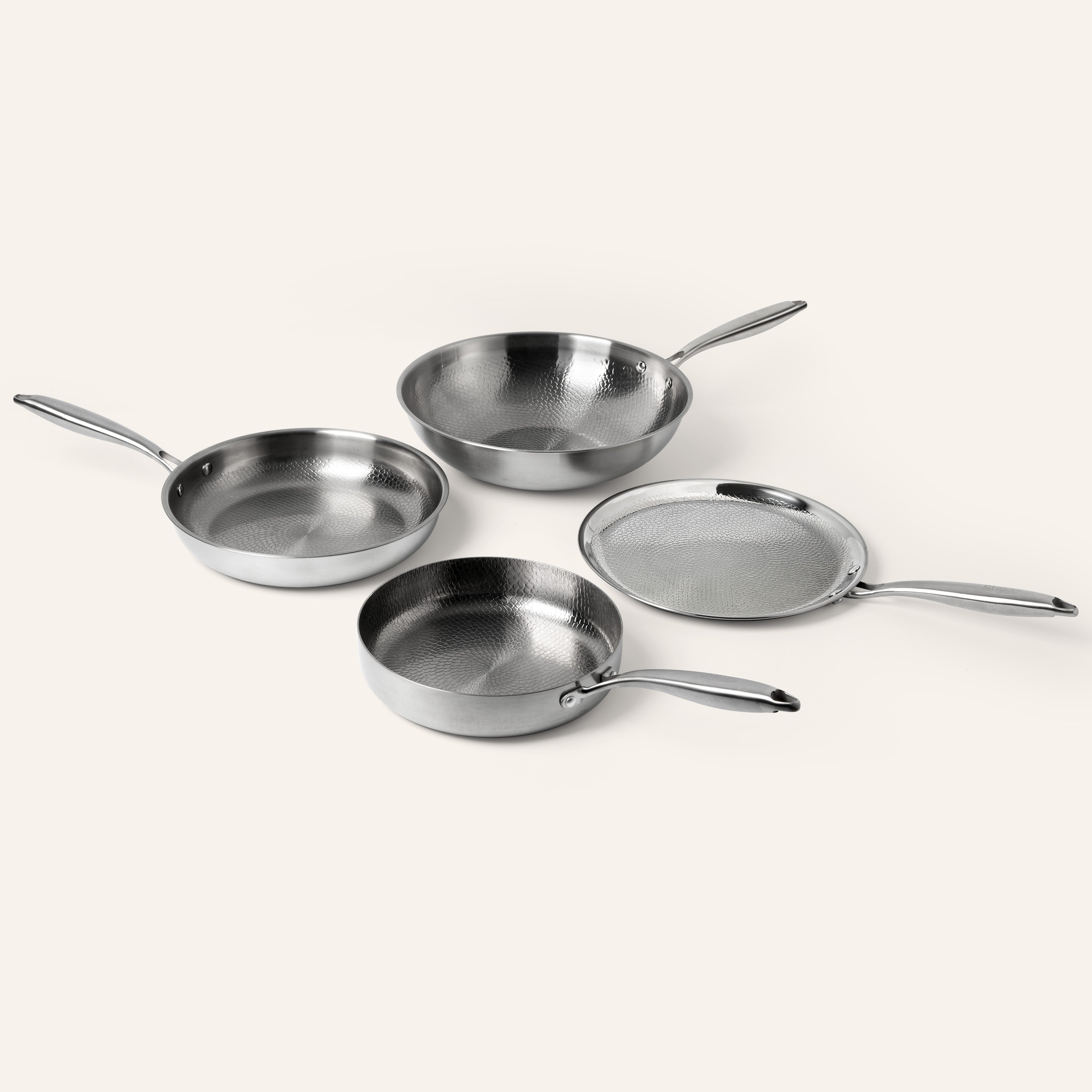
 Titanium Hammered Crêpe Pan Pro
 Titanium Hammered Pan Pro Small
 Titanium Hammered Wok Pan Pro
 Titanium Hammered Pan Pro Large
 Titanium Hammered Deep Pan Pro
 Titanium Hammered Roasting Pan
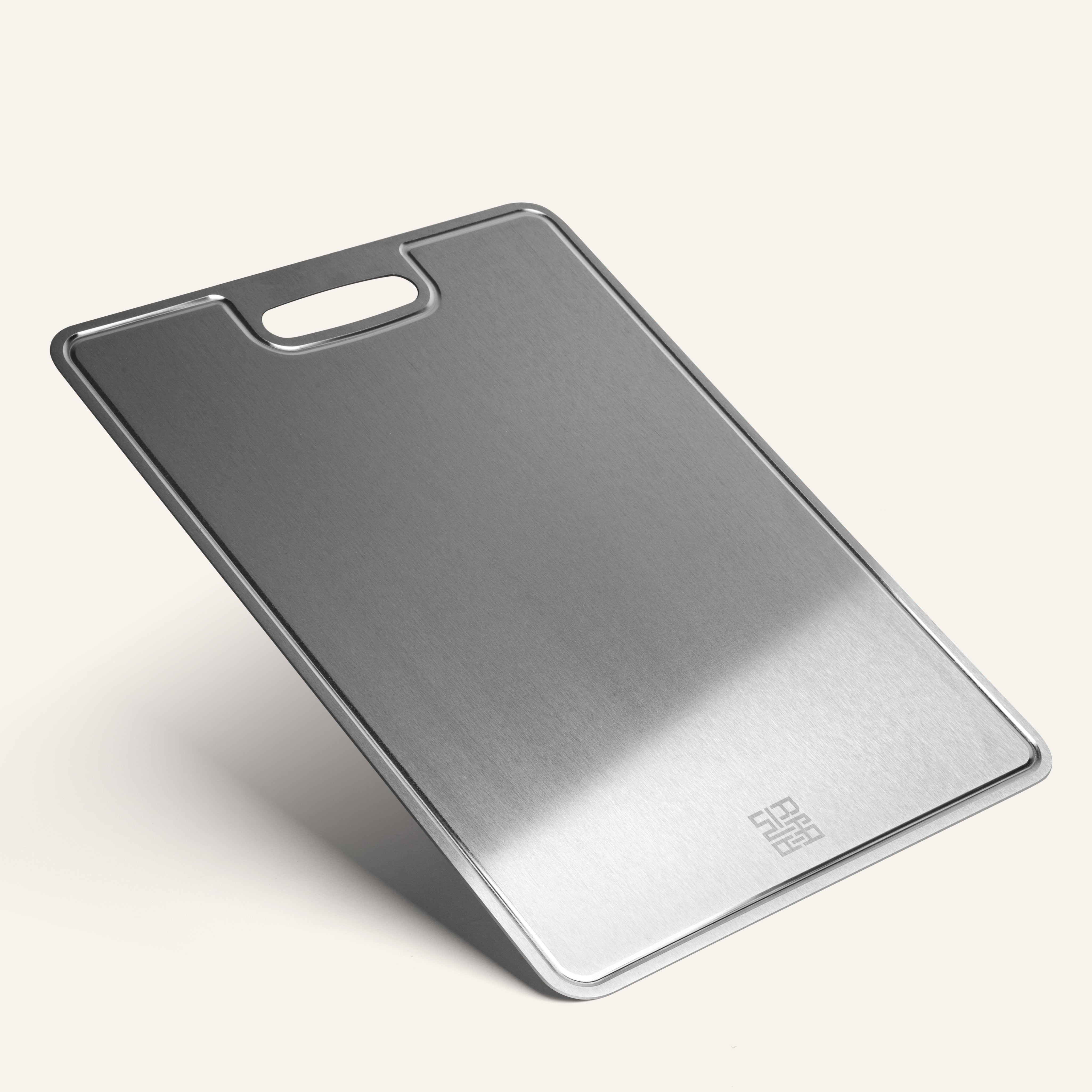
 Titanium Cutting Board (Anti-Microbial)
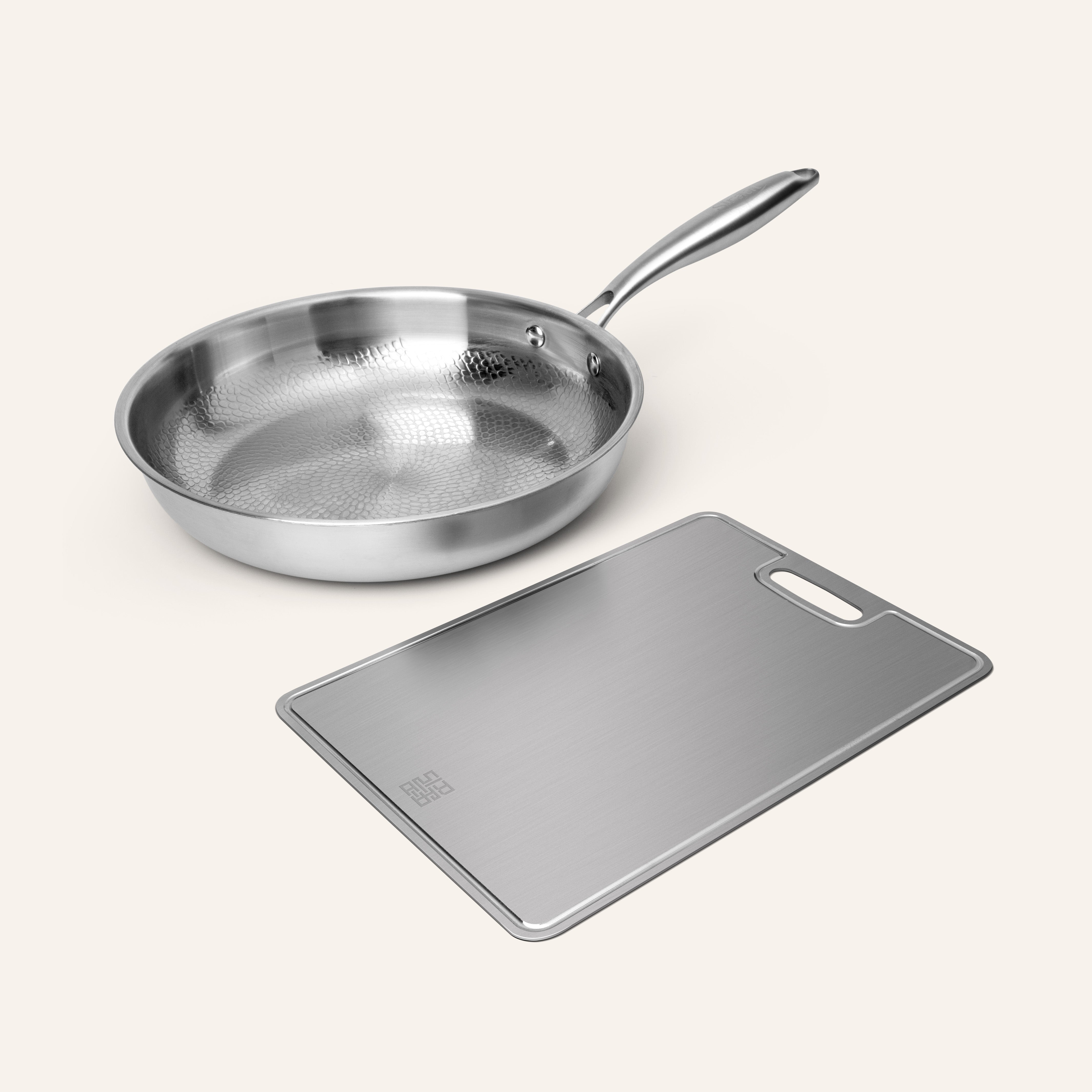
 Titanium Cutting Board Bundle
 Siraat Signature Apron (Azure)
 Siraat Signature Apron (Oak)
 Siraat Signature Apron (Moss)
 Siraat Signature Apron (Ember)
 Salt & Pepper Mill Set
 Salt Mill
 Pepper Mill
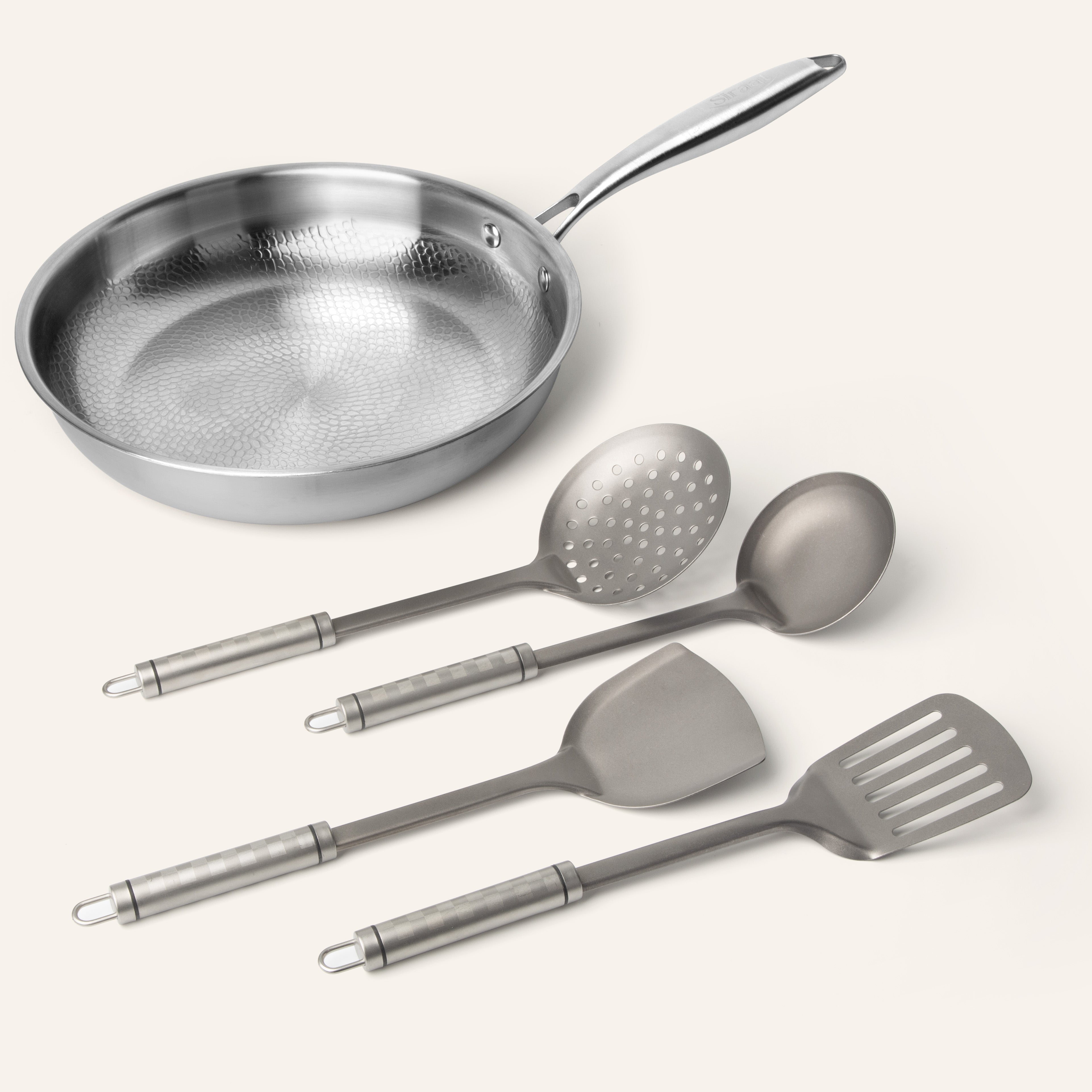
 Titanium Utensil Set Bundle
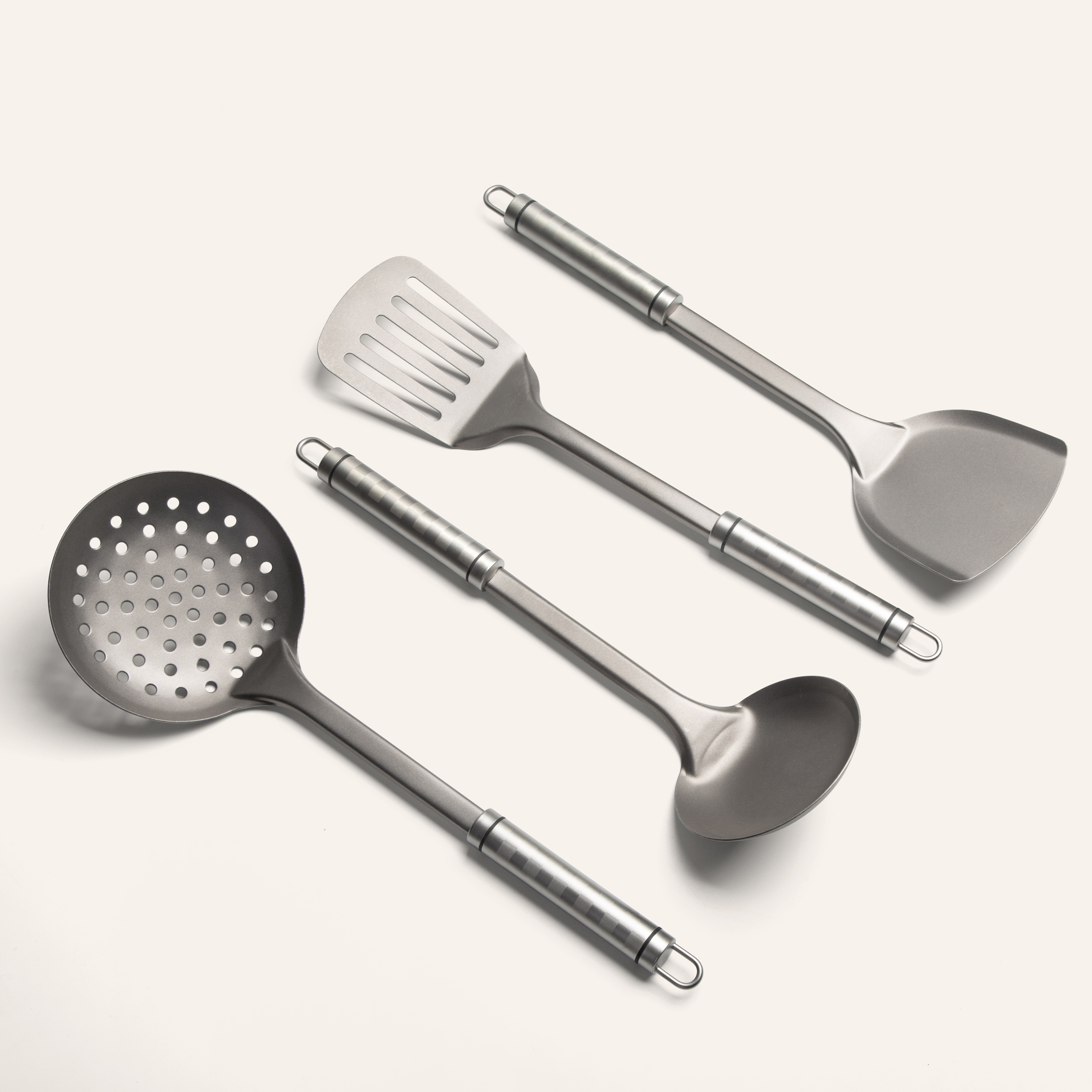
 Titanium Utensil
 Grill Press
 Pizza Wheel
 Rolling Knife Sharpener
 Magnetic Cherry Wood Trivet
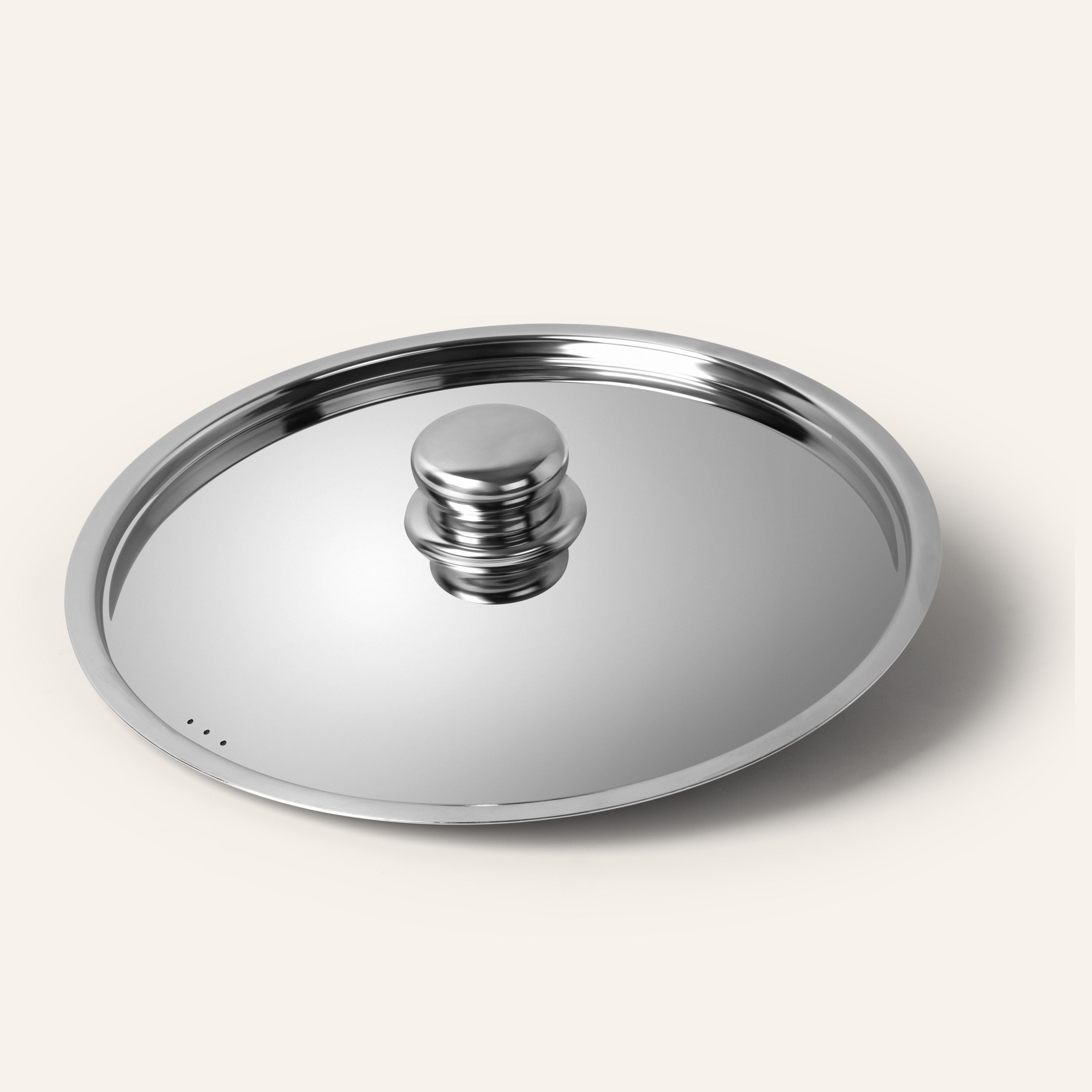
 Stainless Steel Lid
 Cherry Wood Mini Trivet
 Titanium Ice Cubes
 Titanium Straws
 Non Slip Mat For Cutting Board
 Diatomite Mat Anthracite
 Titanium Water Bottle








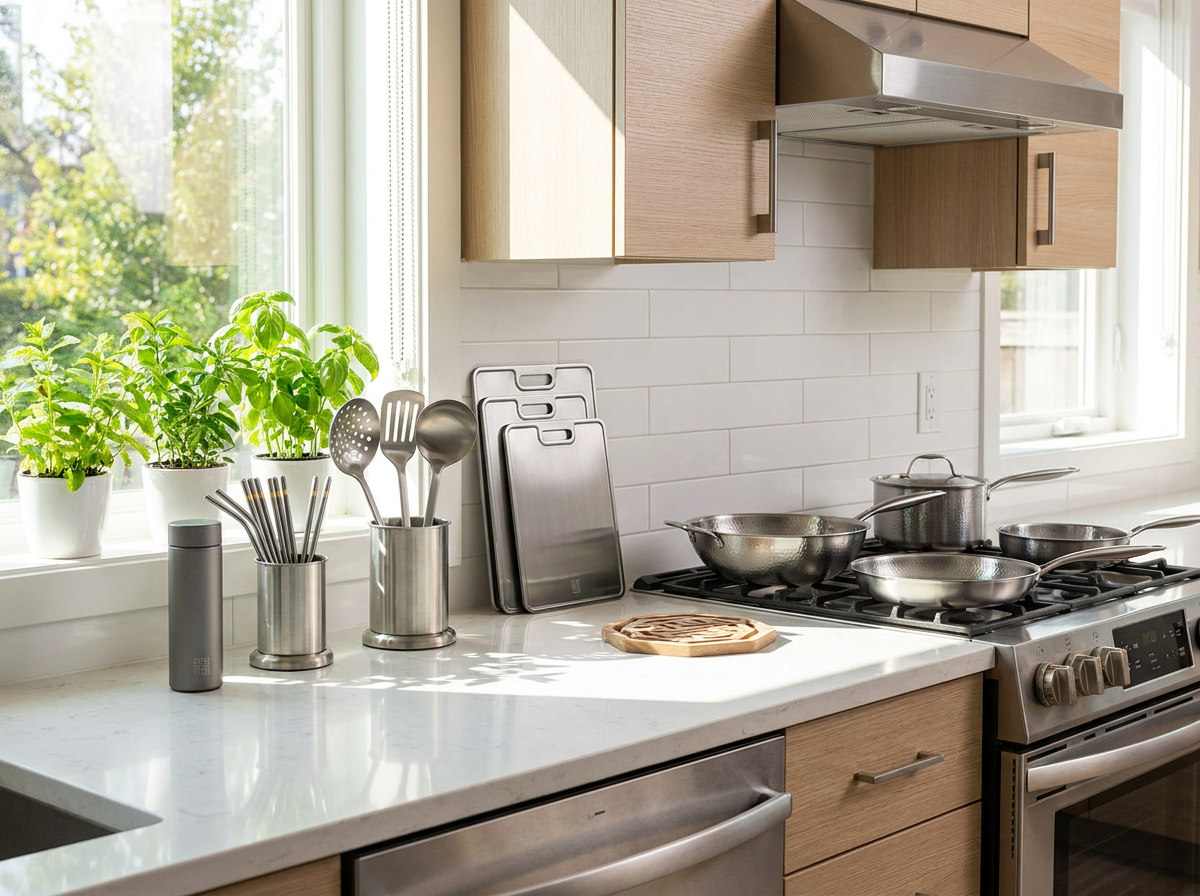
Building a healthier home often starts in the kitchen. Non-toxic kitchen essentials include cookware, cutting boards, utensils, drinkware, and food preparation tools made from durable materials that do not rely on potentially harmful coatings or chemicals. Prioritizing these everyday items can help create a safer, lower-maintenance cooking environment.
In recent years, more home cooks have begun paying closer attention to the materials that come into contact with their food. From cookware to food preparation surfaces, choosing tools made from stable, food-safe materials is a practical way to reduce exposure to unnecessary chemicals while investing in products designed to last.
However, transitioning to a non-toxic kitchen doesn't mean replacing everything you own overnight. The most effective approach is to focus on the essentials: the tools you use most frequently and that come into direct contact with food. In this guide, we'll explain what makes a kitchen tool non-toxic, highlight the kitchen essentials worth prioritizing, and help you build a functional kitchen setup suitable for everyday cooking.
What Makes a Kitchen Tool Non-Toxic?
When evaluating kitchen tools, it's easy to get lost in vague marketing claims. While there is no single definition of a "non-toxic" kitchen product, most people look for two key characteristics when choosing food-contact materials.
Chemical Stability Under Heat
Kitchen tools are regularly exposed to high temperatures, whether through cooking, baking, reheating food, or dishwasher cleaning. Materials that remain stable under these conditions are generally preferred because they are less likely to degrade or release unwanted substances into food and air.
Non-Reactivity With Food
The material should also remain largely non-reactive when it comes into contact with common ingredients, including acidic foods such as tomatoes, vinegar, or citrus. Non-reactive materials help preserve the flavor of food and are less likely to interact with ingredients during cooking or preparation. Non-reactive materials are also valued because they help minimize the risk of unwanted substances leaching into food during cooking or preparation.
While each material has its place, titanium has gained attention in recent years because it combines many of the qualities people look for in non-toxic kitchen tools: durability, corrosion resistance, and low maintenance. Many home cooks also choose to minimize their use of products with synthetic non-stick coatings or heavily worn plastic food-contact surfaces, particularly for tools that are exposed to frequent heat and daily use.

The Non-Toxic Kitchen Essentials Worth Prioritizing
Non-Toxic Cookware
Because cookware is exposed to high temperatures on a daily basis, it is often the first category people choose to upgrade when building a non-toxic kitchen. Several materials are commonly used in non-toxic cookware, including titanium, stainless steel, and cast iron. Among them, titanium stands out for combining corrosion resistance, durability, high heat tolerance, and freedom from synthetic non-stick coatings in a single cooking surface.
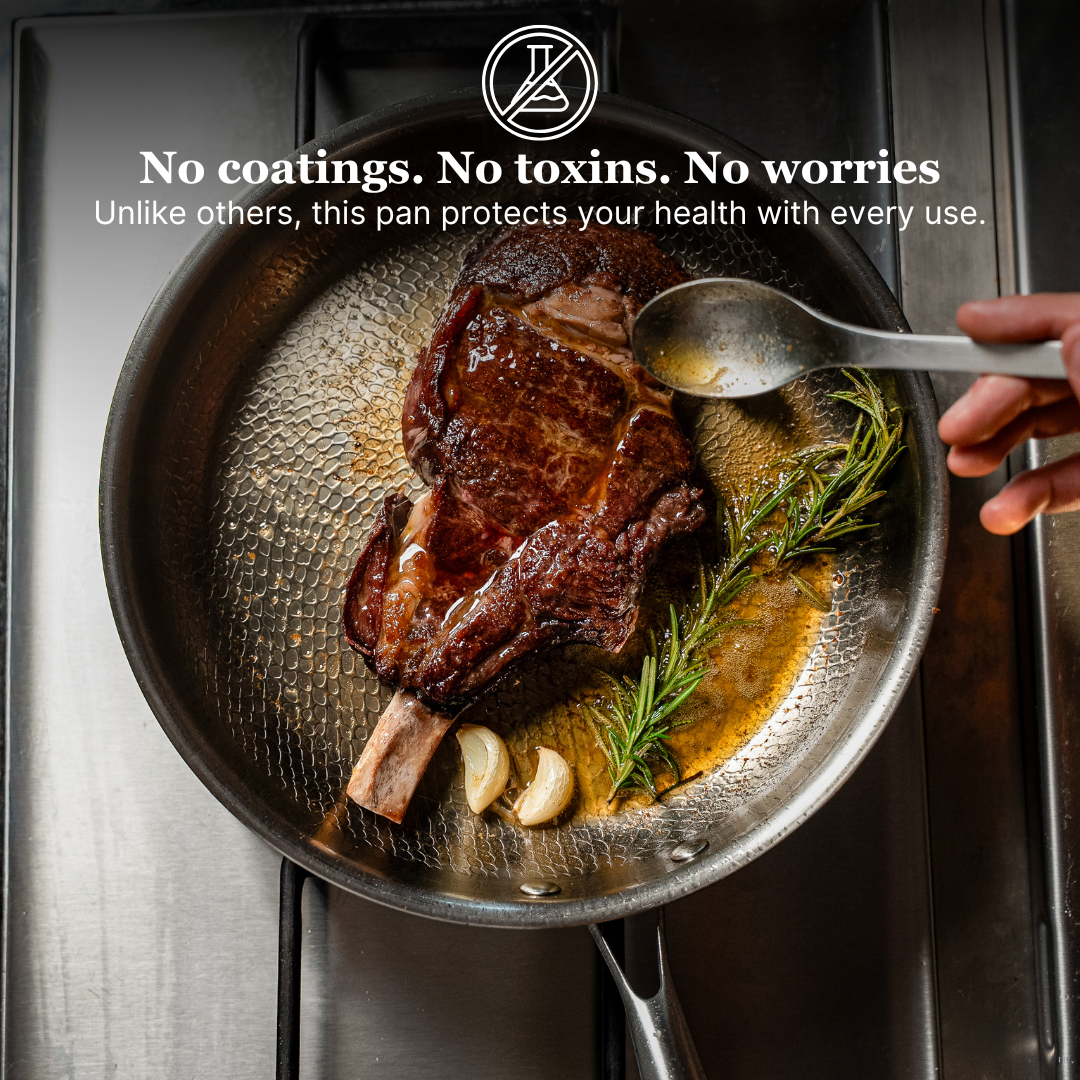
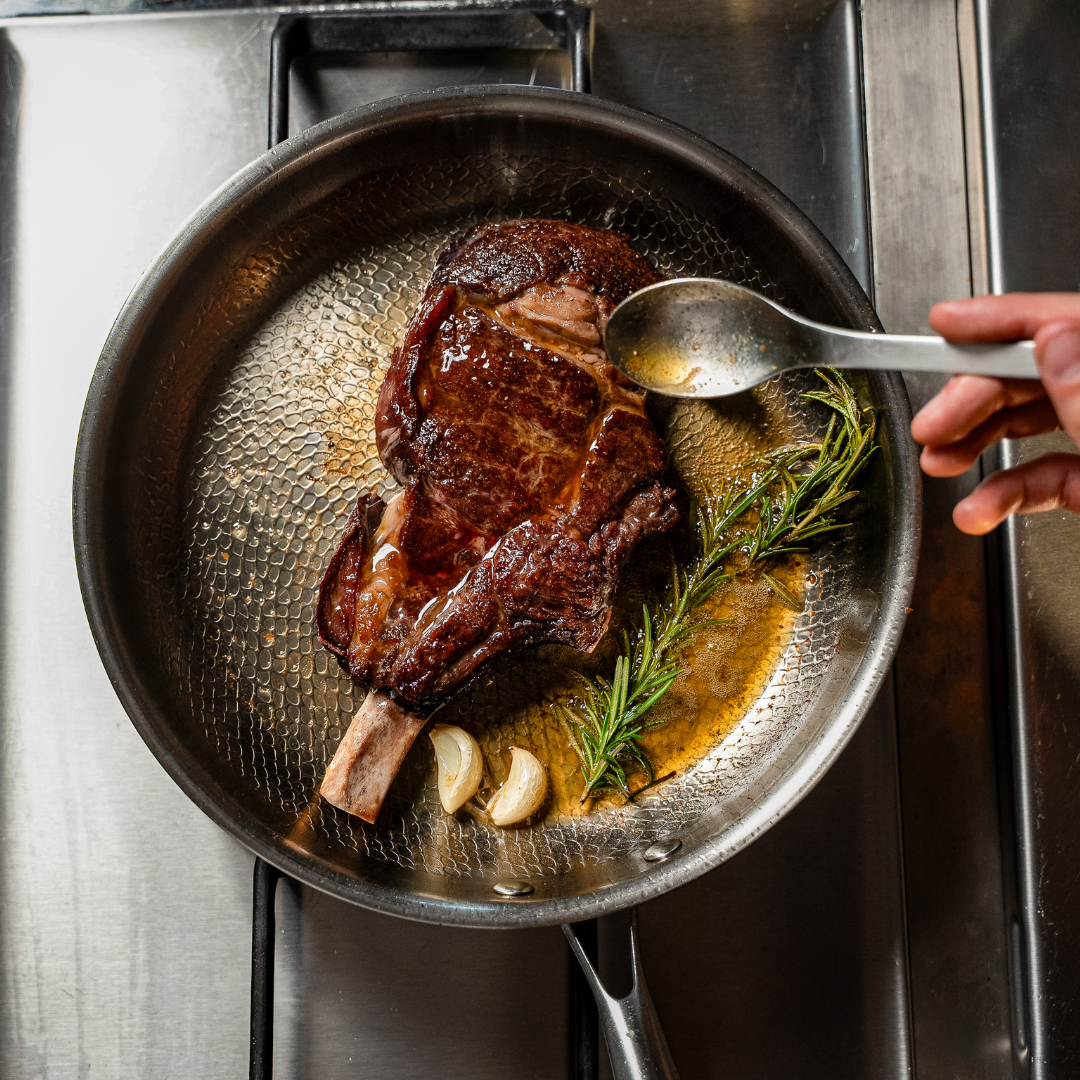
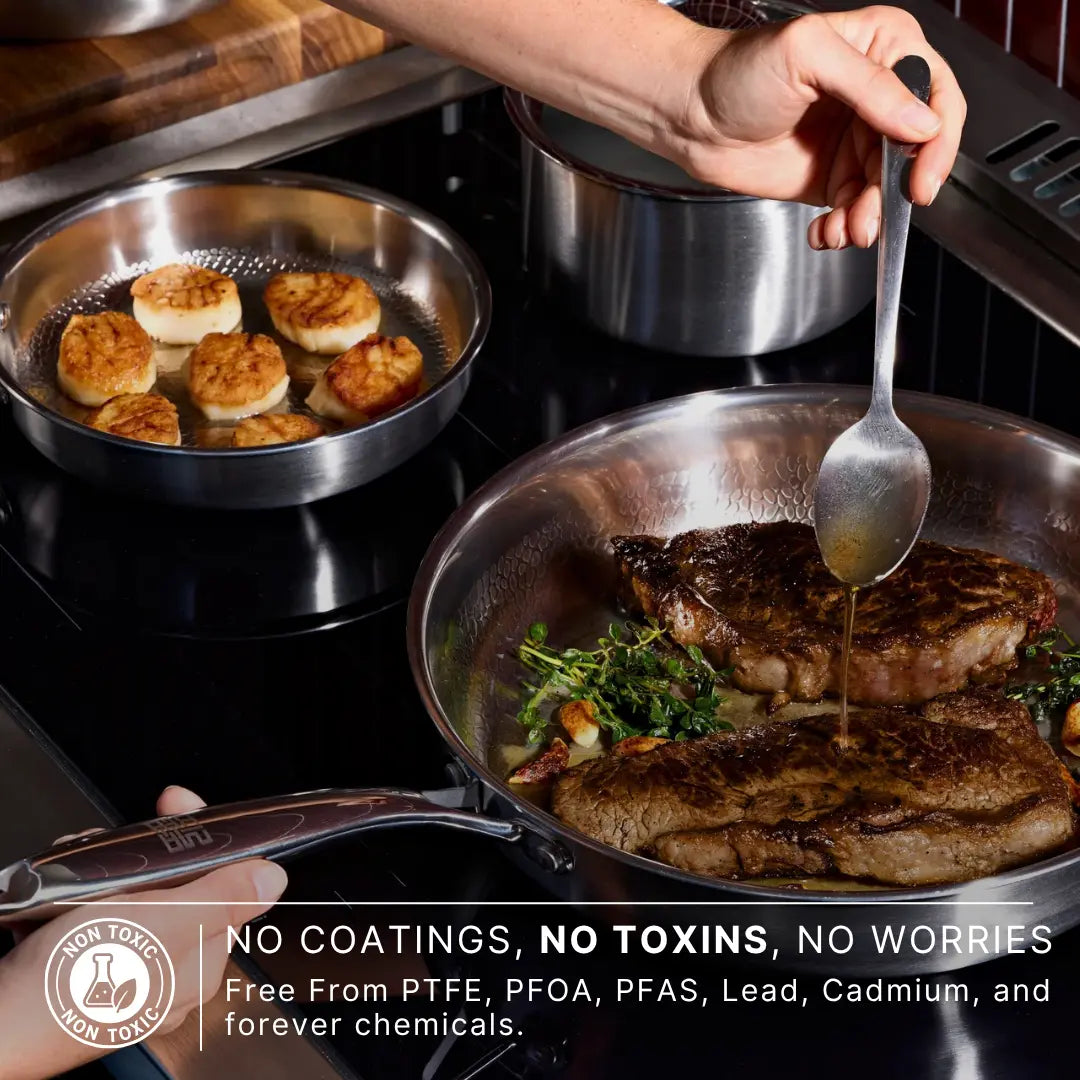
These qualities have helped make titanium an increasingly popular choice for non-toxic cookware. Premium designs, such as the Siraat Titanium Hammered Pan, combine a pure titanium cooking surface with a multi-layer construction for efficient heat distribution and induction stove compatibility. The result is a durable, PFAS-free cooking surface that can withstand high temperatures, resist scratching, and support everyday cooking without requiring a synthetic non-stick coating.
Non-Toxic Cutting Boards
Cutting boards are among the most heavily used tools in any kitchen. Every slice, chop, and dice creates wear on the surface, making material selection an important consideration for both durability and cleanliness.
Wood and bamboo remain popular choices thanks to their natural appearance and long history in the kitchen. However, they are porous materials that require regular maintenance and thorough drying to help prevent moisture-related issues over time. Plastic boards are often affordable and dishwasher safe, but they can become heavily worn with repeated use. Deep knife grooves may also make them more difficult to clean thoroughly.
For home cooks looking for a low-maintenance, non-toxic option, titanium cutting boards offer several advantages. Unlike porous materials, titanium does not absorb moisture, odors, or food residue, making it exceptionally easy to clean. It is also highly resistant to warping, staining, and everyday wear, while remaining free from plastics, chemical adhesives, and synthetic coatings. While no cutting board material is perfect for every preference, titanium stands out for combining durability, hygiene, and ease of maintenance in a single food-contact surface.
Non-Toxic Cooking & Eating Utensils
Cooking utensils come into contact with hot cookware, acidic ingredients, and food throughout the day. Because of this, durable materials that remain stable under regular kitchen conditions are a staple of non-toxic kitchens.
Titanium utensils are particularly well suited to non-toxic kitchens because they are lightweight, corrosion-resistant, dishwasher safe, and highly durable. These qualities make titanium a popular choice for spatulas, spoons, chopsticks, tongs, straws, and other everyday utensils. Stainless steel and solid wood remain common alternatives depending on personal preference.
Non-Toxic Drinkware and Water Bottles
Reusable drinkware is another category worth considering, particularly for items used every day. Water bottles, travel mugs, and drinking accessories often experience constant exposure to moisture, temperature changes, and frequent washing.
Titanium drinkware is a premium choice because it combines exceptional corrosion resistance, low weight, and long-term durability without requiring internal coatings. Stainless steel remains another popular option for everyday use. Quality materials also help maintain the original taste of water, coffee, tea, and other beverages without absorbing flavors or odors.
Non-Toxic Food Prep & Storage Essentials
Food preparation and storage tools may not receive as much attention as cookware, but they play an important role in everyday kitchen routines. Mixing bowls, storage containers, lids, trivets, and other accessories often spend extended periods in contact with food.
Titanium, glass, stainless steel, and solid wood are commonly chosen for these accessories because of their durability and ease of maintenance. Whether you're storing leftovers, preparing ingredients, or protecting countertops from hot cookware, selecting high-quality materials can help create a more non-toxic kitchen setup built for everyday use.

Bundles
Curated sets of our best-selling titanium essentials. Healthier, smarter, and better value, everything you need for a toxin-free kitchen upgrade
The Bottom Line: Focus on the Tools You Use Every Day
Transitioning to a non-toxic kitchen does not have to happen all at once. Instead of worrying about every minor detail, focus on the essentials that see the most daily use: your cookware, cutting boards, utensils, and drinkware.
By choosing high-quality materials such as titanium, stainless steel, glass, and solid wood, you can create a kitchen built around durability, simplicity, and everyday functionality. Start with the tools you use most often, prioritize material transparency, and upgrade gradually as your needs evolve.