Skip to content

Cart

Your cart is empty

Shop by category

Why Siraat

  • 75-Year Warranty
  • Free Shipping
  • 30-Day Returns

Best sellers:

PRIME SALE | 70% OFF

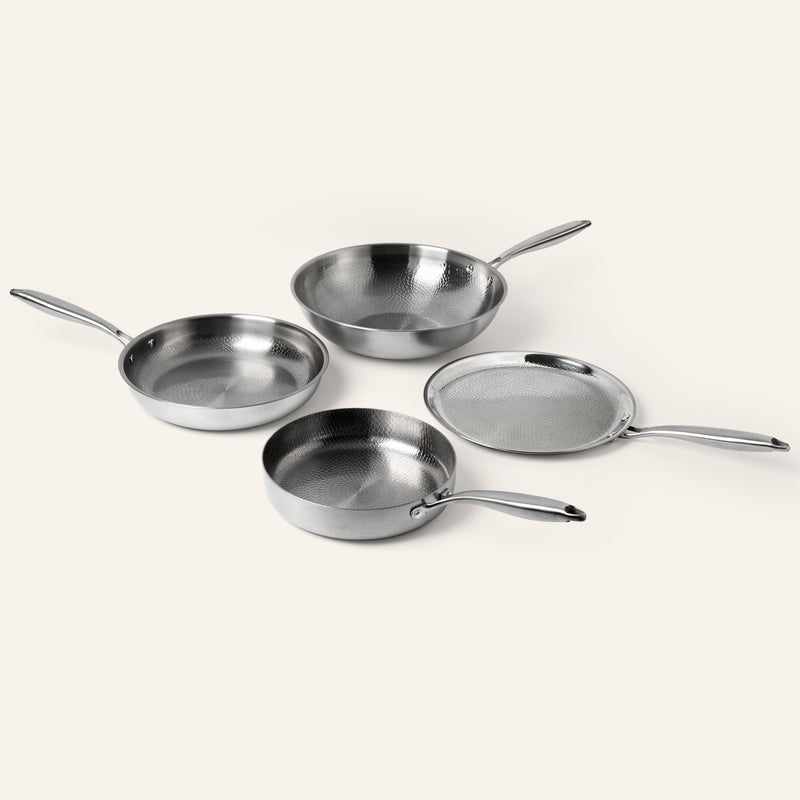
Four Siraat titanium hammered pans of the Complete Edition from above, portrait product image
Sale price$399 Regular price$1,330

PRIME SALE | 70% OFF

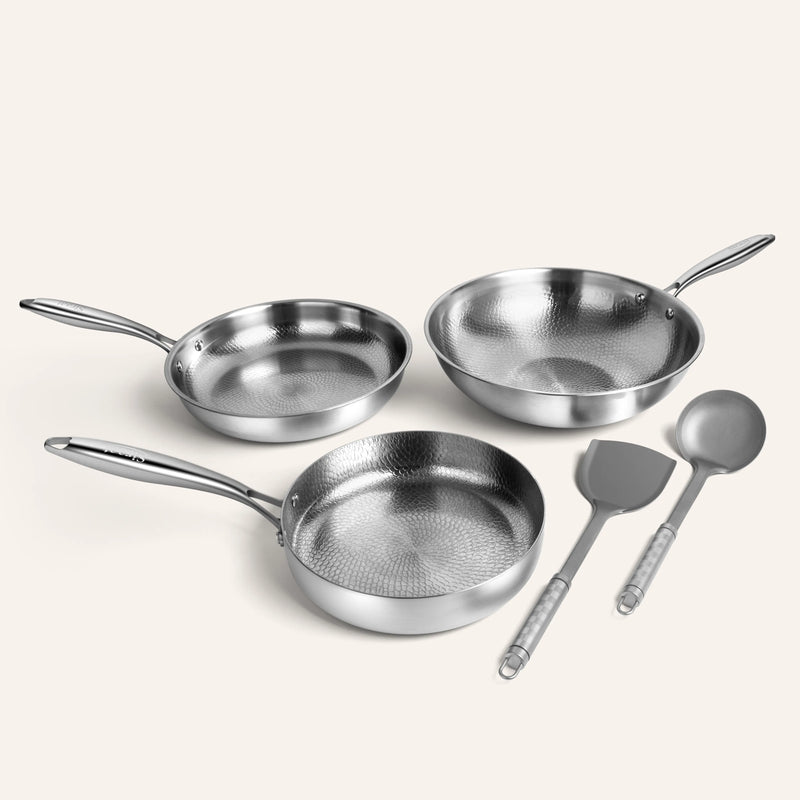
Siraat Titanium Hammered Cookware Set Pro with frying pan, wok, deep pan and titanium utensils
Sale price$379 Regular price$1,263

70% OFF + FREE GIFTS

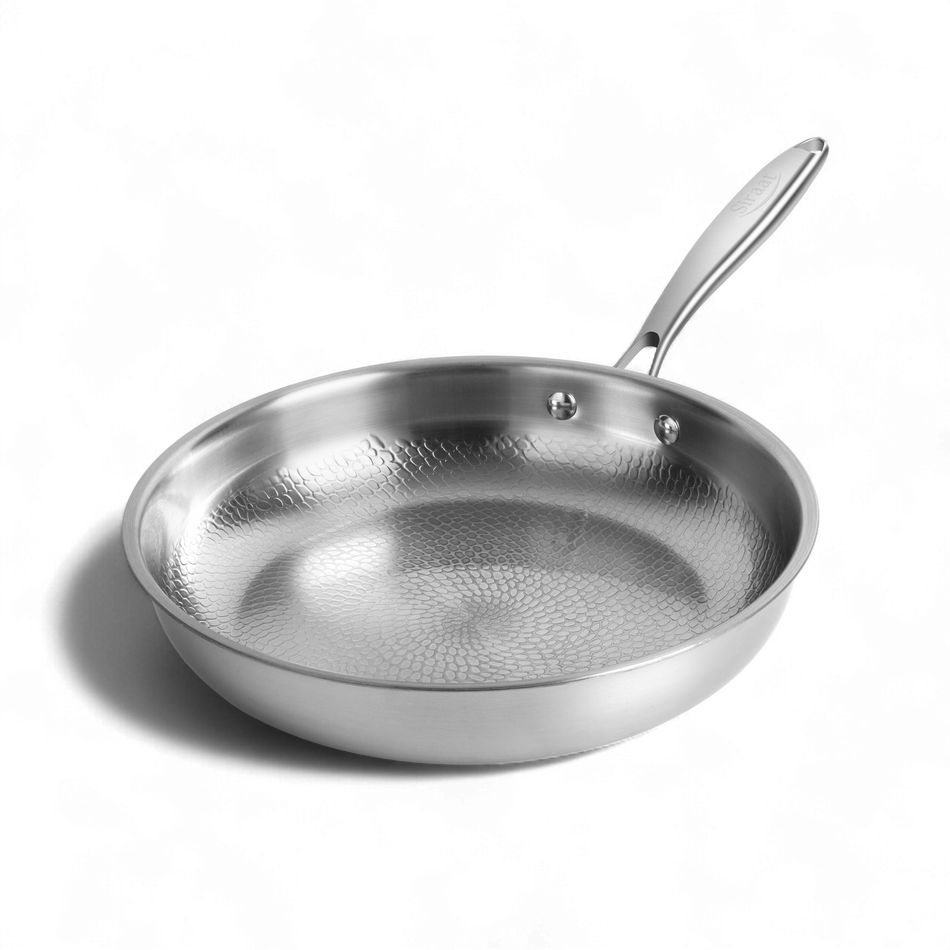
Siraat Titanium Hammered Pan Pro Standard 11 inch, a PFAS-free frying pan with pure titanium surface
Sale price$134 Regular price$439

100% NON-TOXIC

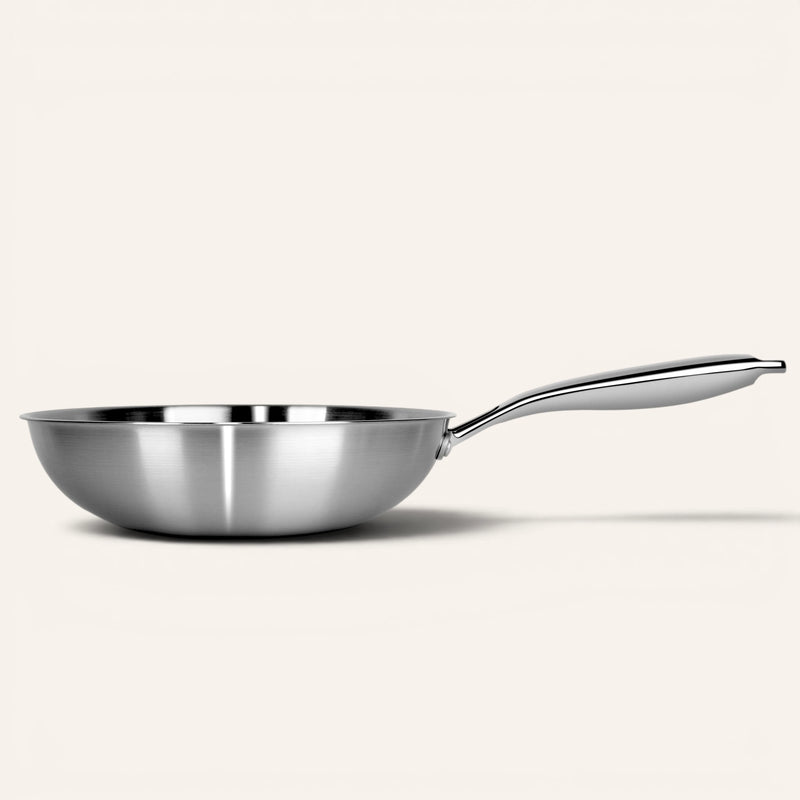
Siraat Titanium Hammered Wok Pan Pro, coating-free titanium wok with long stay-cool steel handle
Sale priceFrom $119 Regular price$389
★ ★ ★ ★ ★ ★
(4.8) 1,571 Reviews

Rolling Knife Sharpener

  • No coatings. No PFAS. Pure titanium cooking surface
  • Third-party tested by Light Labs
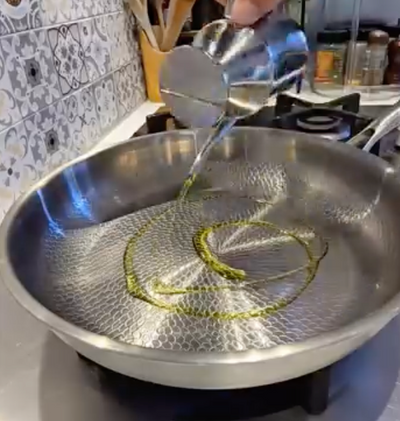
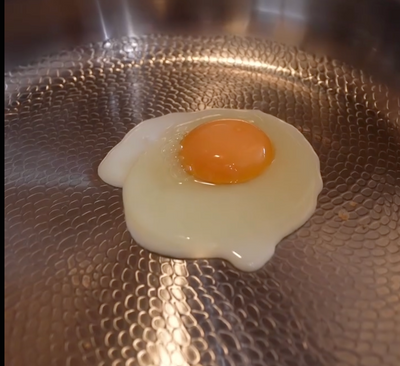
  • Hammered design for natural non-stick cooking
Sale price$63 Regular price$105

Save $42

Induction, Compatible
Induction
Compatible
Oven, Safe
Oven
Safe
Zero, Toxins
Zero
Toxins
Dishwasher, Safe
Dishwasher
Safe
Utensil, Safe
Utensil
Safe
Stay Cool, Handle
Stay Cool
Handle
Delivery from a local warehouseFast & free shipping
High Demand - Few units left
75-Year Warranty
Free Express Shipping
30-Day Returns

In Action:

Customer testimonial
Dishwasher Safe
Dishwasher Safe
NON TOXIC MATERIALS

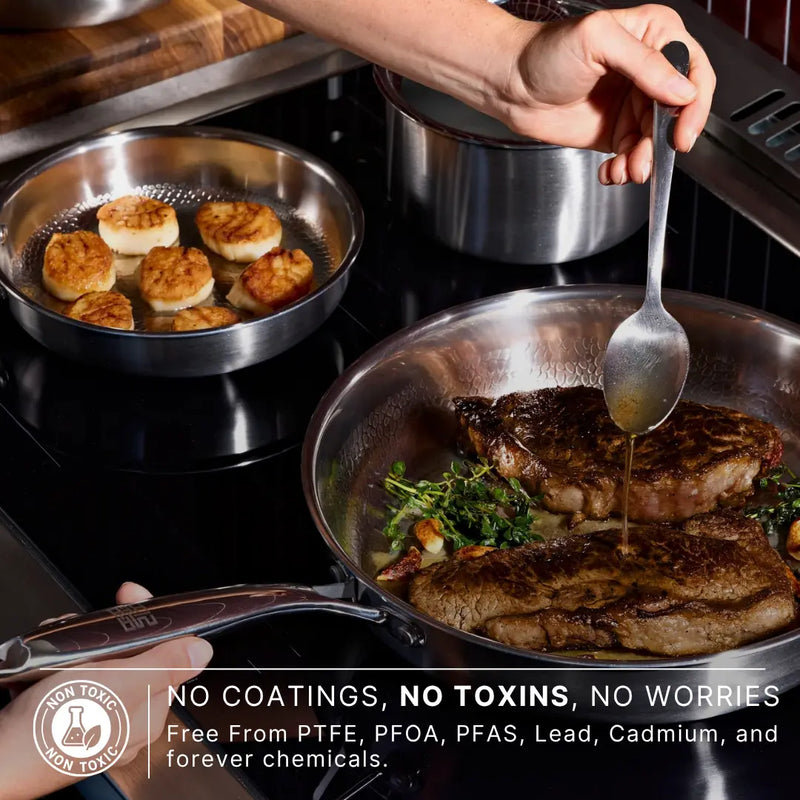
We craft non-toxic, safe kitchenware made without harmful chemicals that can leach into your food and the environment. Because you and your family should always be able to trust your tools, and cook with confidence.

Our products are made without the following:

✖️ PFAS (“Forever Chemicals”)
✖️ PTFE (Teflon)
✖️ PFOA
✖️ Lead & Cadmium
✖️ Nanoparticles
✖️ Heavy Metals

CARE & USE

Safety Instructions – Please Read Before Use

During sharpening, small metal particles may remain on the blade.

After each sharpening session, rinse the knife thoroughly under running water.

Wipe the blade with a clean, soft cloth to remove any remaining residue.

Ensure the knife is completely clean and dry before use or food preparation.

Important Notice

Siraatskitchen is not responsible for injuries or misuse resulting from failure to follow these safety instructions.


Always handle sharp blades with care. User is solely responsible for safe operation and cleaning of the knife.

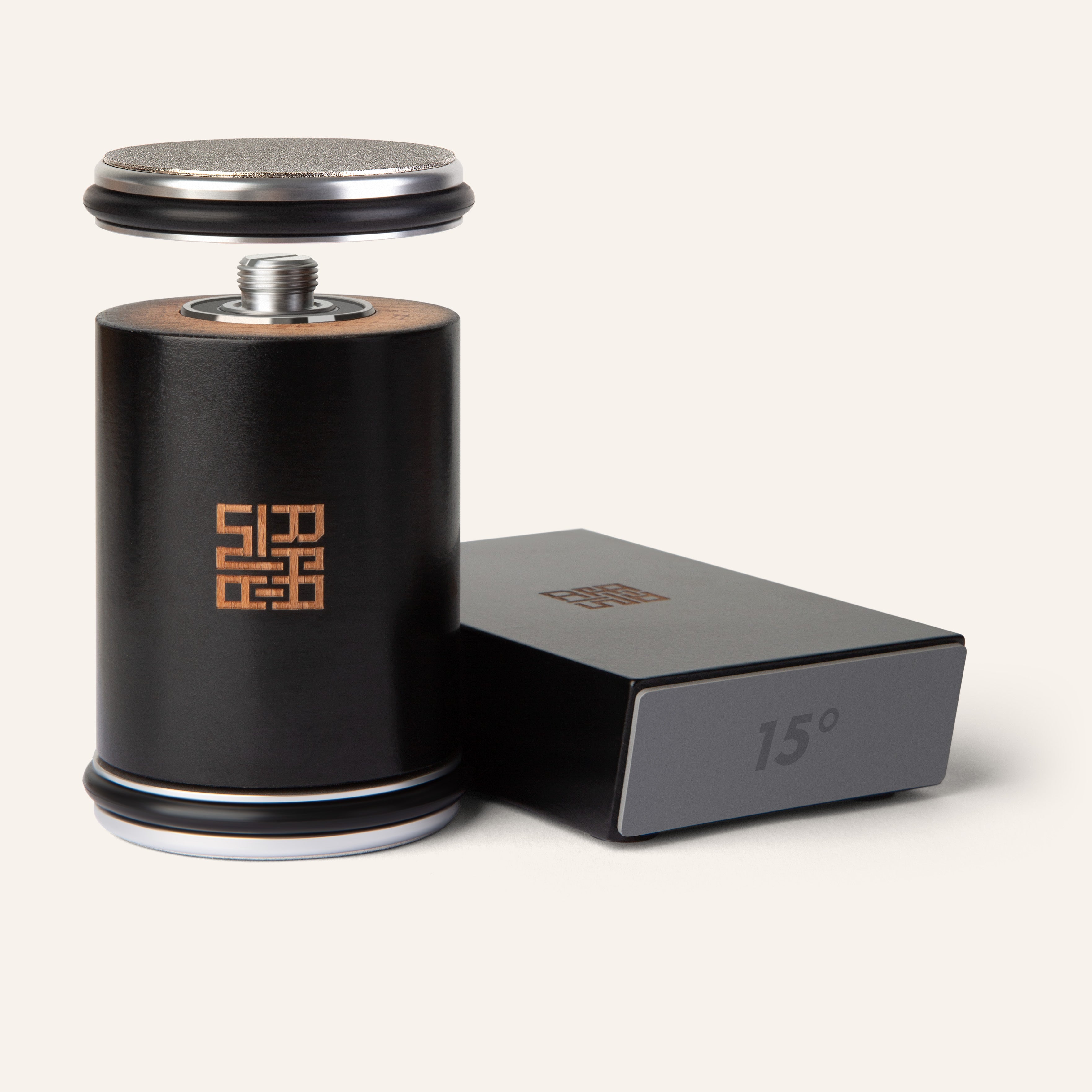
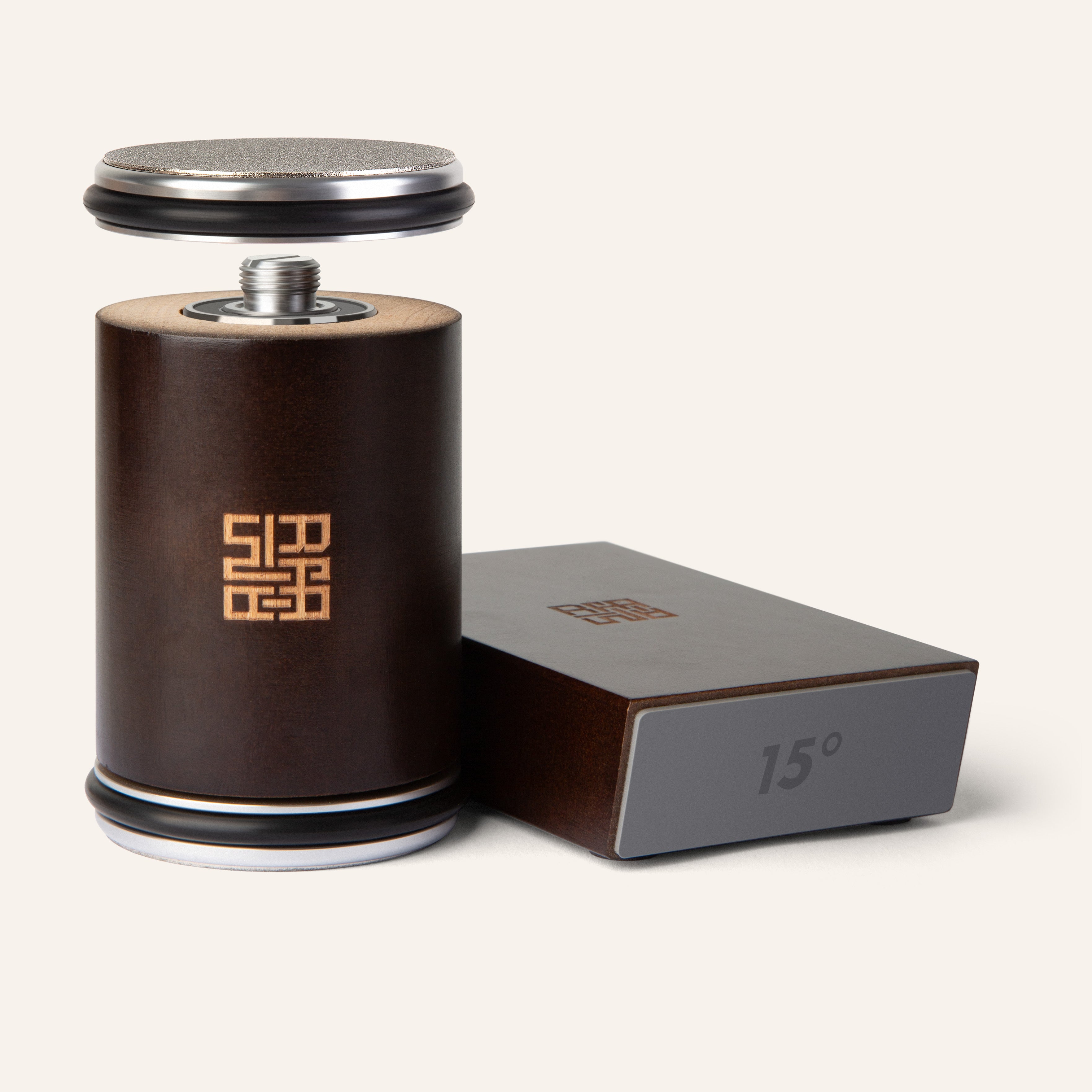
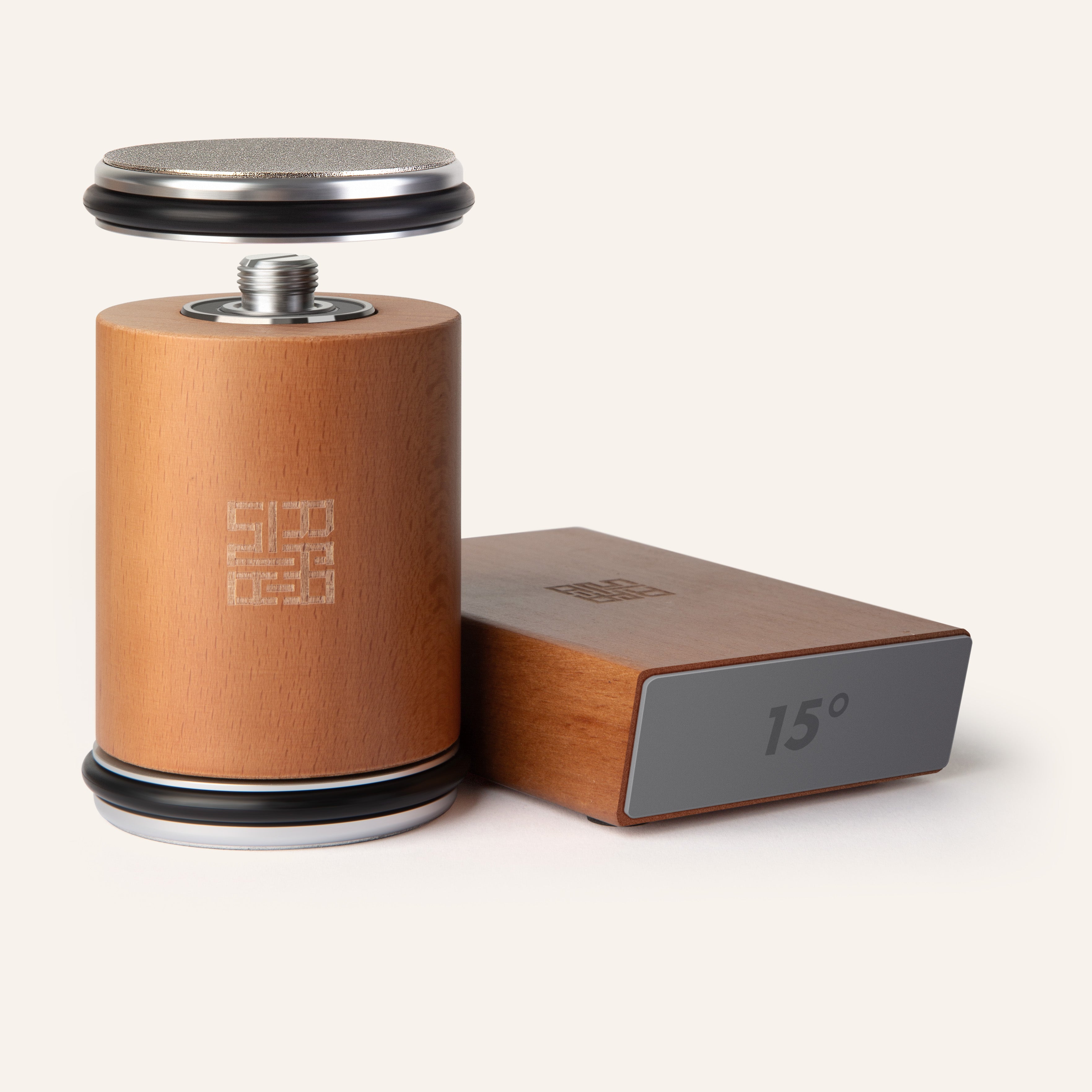
Siraat Rolling Knife Sharpener in black with copper Siraat logo and magnetic angle block, 15° side
Rolling Knife SharpenerBlack Sale price$63 Regular price$105

Save $42

Rolling Knife Sharpener
Black · $63 $105

Why traditional pans are the past:
Pfas/Teflon Coated
Pfas/Teflon Coated
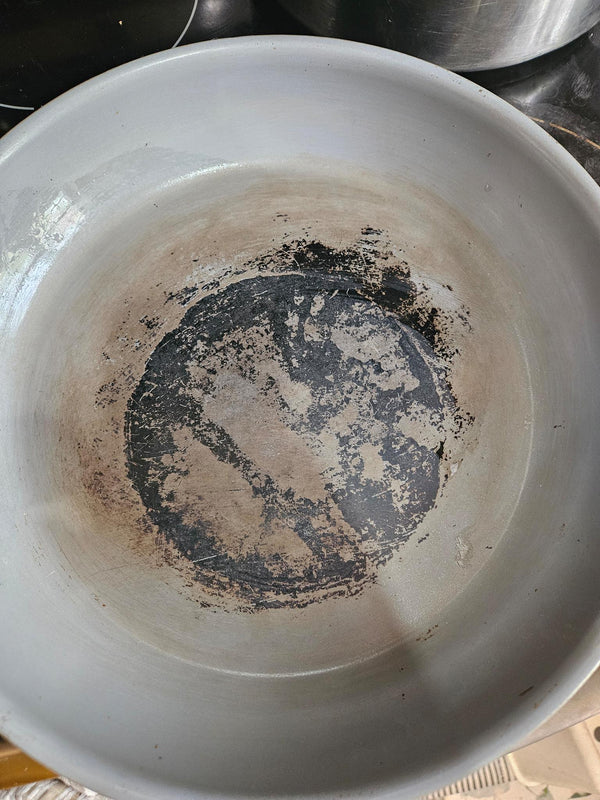
Most non-stick pans contain PFAS or Teflon coatings. Over time, these coatings flake off, end up in your food, and, according to numerous studies, may increase the risk of health risk
Stainless steel pans
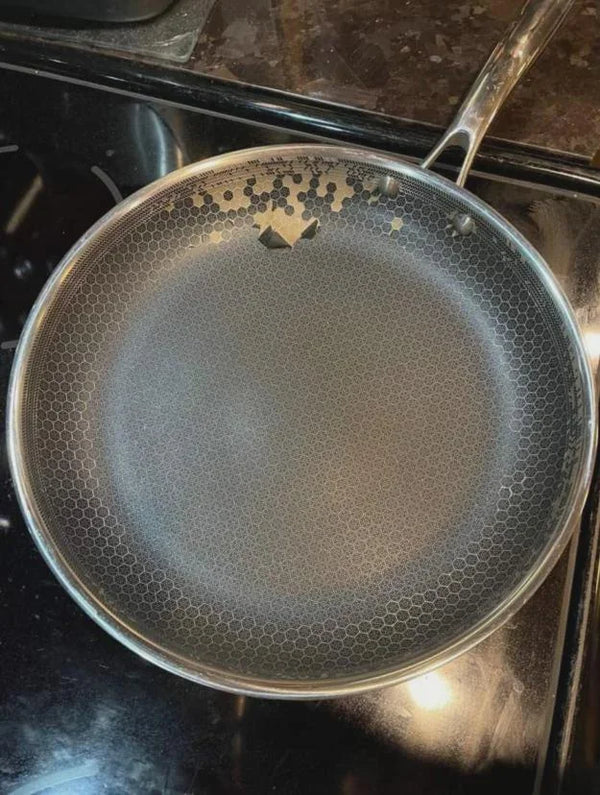
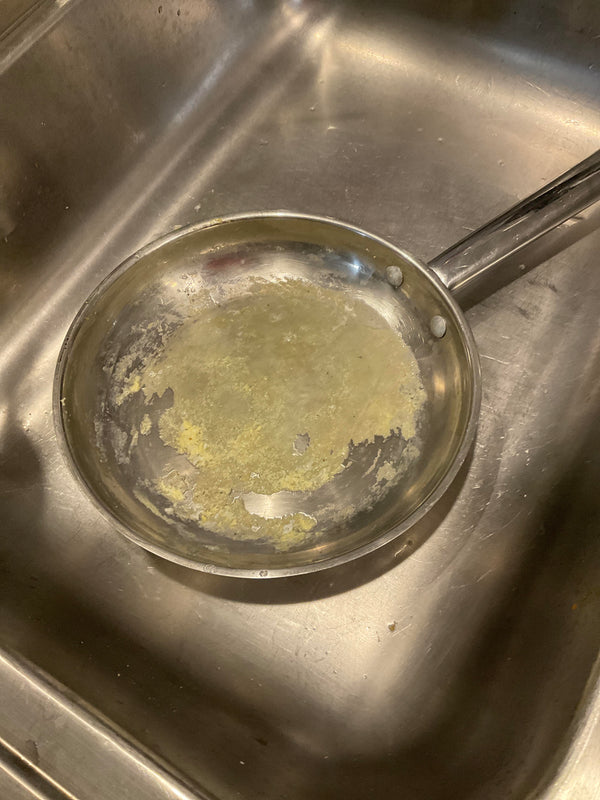
Stainless steel pans don’t have a coating, but food sticks easily, especially without perfect heat and oil control. They’re durable but require skill to use and clean, and never offer a truly effortless non-stick experience.
Ceramic Pans
Ceramic Pans
Ceramic pans are promoted as a safer alternative, but their non-stick layer wears out quickly. Within months, food begins to stick, and the pan becomes difficult to use. They may be safer than Teflon, but they lack durability and often need replacing much sooner.
Pfas/Teflon Coated
Pfas/Teflon Coated
Most non-stick pans contain PFAS or Teflon coatings. Over time, these coatings flake off, end up in your food, and, according to numerous studies, may increase the risk of health risk
Stainless steel pans
Stainless steel pans don’t have a coating, but food sticks easily, especially without perfect heat and oil control. They’re durable but require skill to use and clean, and never offer a truly effortless non-stick experience.
Ceramic Pans
Ceramic Pans
Ceramic pans are promoted as a safer alternative, but their non-stick layer wears out quickly. Within months, food begins to stick, and the pan becomes difficult to use. They may be safer than Teflon, but they lack durability and often need replacing much sooner.
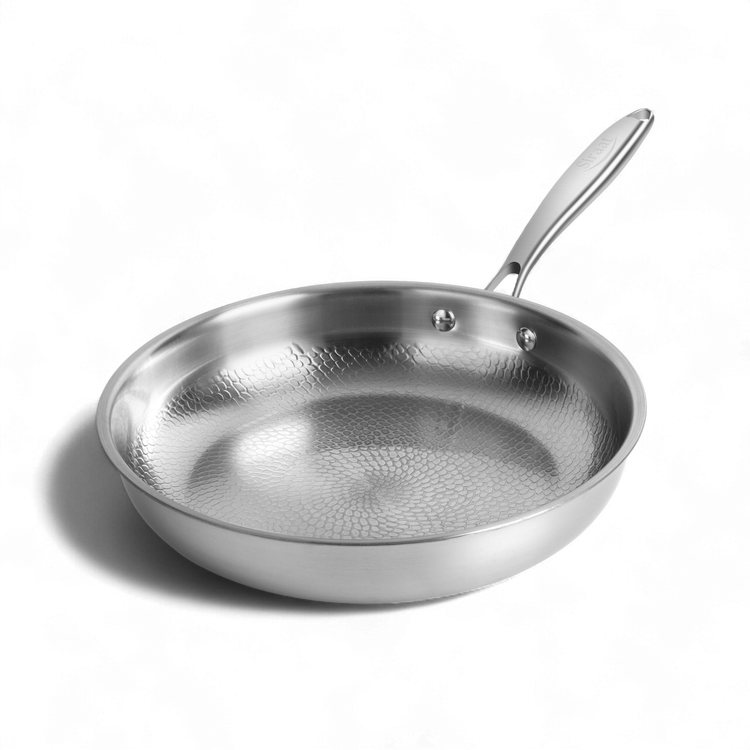
Siraat titanium hammered frying pan with polished steel handle, a non-toxic pan on a gray backdrop
1
2
3
4
5

Upgrade your all in one pan:

1
2
3
4
5

Why you'll love this pan

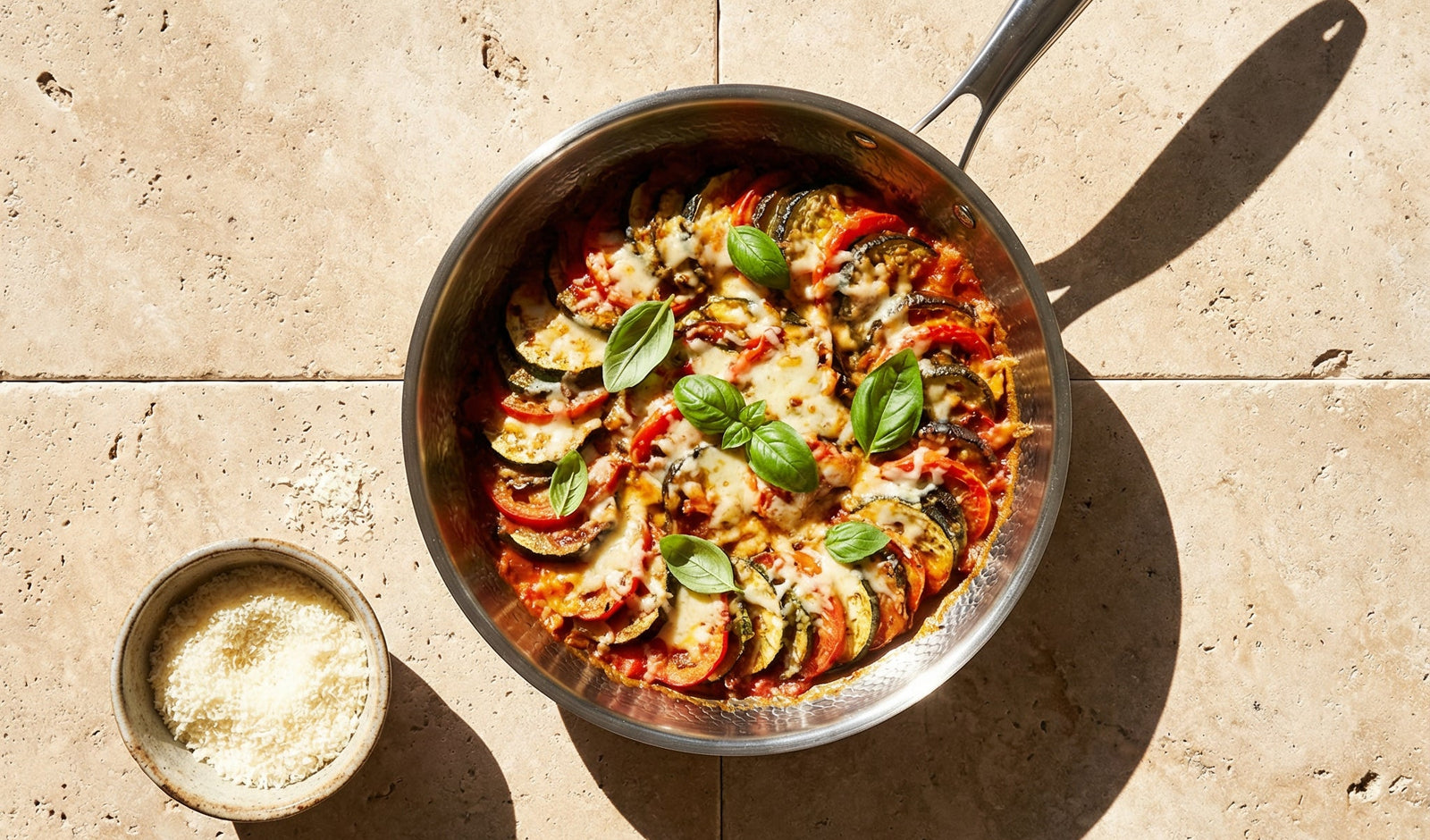
French ratatouille in a Siraat titanium saucepan next to a dish of parmesan, overhead food photo
Ring of white EU stars icon shown on the Siraat Titanium Ice Cubes product page at Siraats Kitchen

European Craftmanship

Exceeds global quality standards

Light Labs blue check mark logo, the third-party lab that tested Siraat titanium products

Verified PFAS-Free

Tested by Light Labs to ensure a PFAS-free cooking surface

Why they are so happy with it:

Sarah M.
Lora K.
John L.
Jake N.
Sam L.

FAQS

How does a rolling knife sharpener work?

A rolling knife sharpener uses a rotating wheel mechanism that guides the blade at a fixed angle as you roll it across the surface. This removes the need to manually hold the correct angle, sharpening the edge consistently with each pass.

Which is better, a diamond or a ceramic knife sharpener?

Diamond and ceramic sharpeners serve different roles in the sharpening process. Diamond surfaces remove metal more efficiently, helping reshape and restore a dull knife edge more quickly. Ceramic is used afterward to refine and smooth the edge, improving the final sharpness. Together, they offer the most complete sharpening setup.

Is a rolling knife sharpener good for beginners?

Yes, the rolling design automatically maintains the correct angle as you move the knife across the surface. There is no technique to learn and no risk of over-sharpening, making it a beginner-friendly way to keep knives sharp at home.

Can a rolling knife sharpener damage your knives?

Not if used correctly. The fixed angle mechanism prevents over-sharpening and removes the risk of grinding the blade unevenly, which is the most common cause of knife damage when sharpening freehand. Using light, consistent passes is all that is needed to maintain a sharp edge without wearing down the blade unnecessarily.

How often should you sharpen kitchen knives?

For regular home cooking, kitchen knives typically need sharpening every two to three months. More frequent use may require sooner touch-ups. A rolling knife sharpener makes it easier to maintain blades before they become difficult to cut with.

Titanium Hammered Pan
Coated Teflon / PFAS Pans
NON-TOXIC
i
Titanium is naturally free from harmful chemicals like PFAS & PTFE
Custom Icon
NO COATINGS
i
No coatings, this pan will outlast generations
Custom Icon
CLEANING
i
Easy to clean
Custom Icon
Custom Icon
Heat-Resistant
i
This pan can handle extremely high temperatures
Custom Icon
VERSATILITY
i
Safe at extreme temperatures, even open flame. No melting, no toxins
Custom Icon