WAREHOUSE CLEARANCE 📦
 BUNDLES & SETS
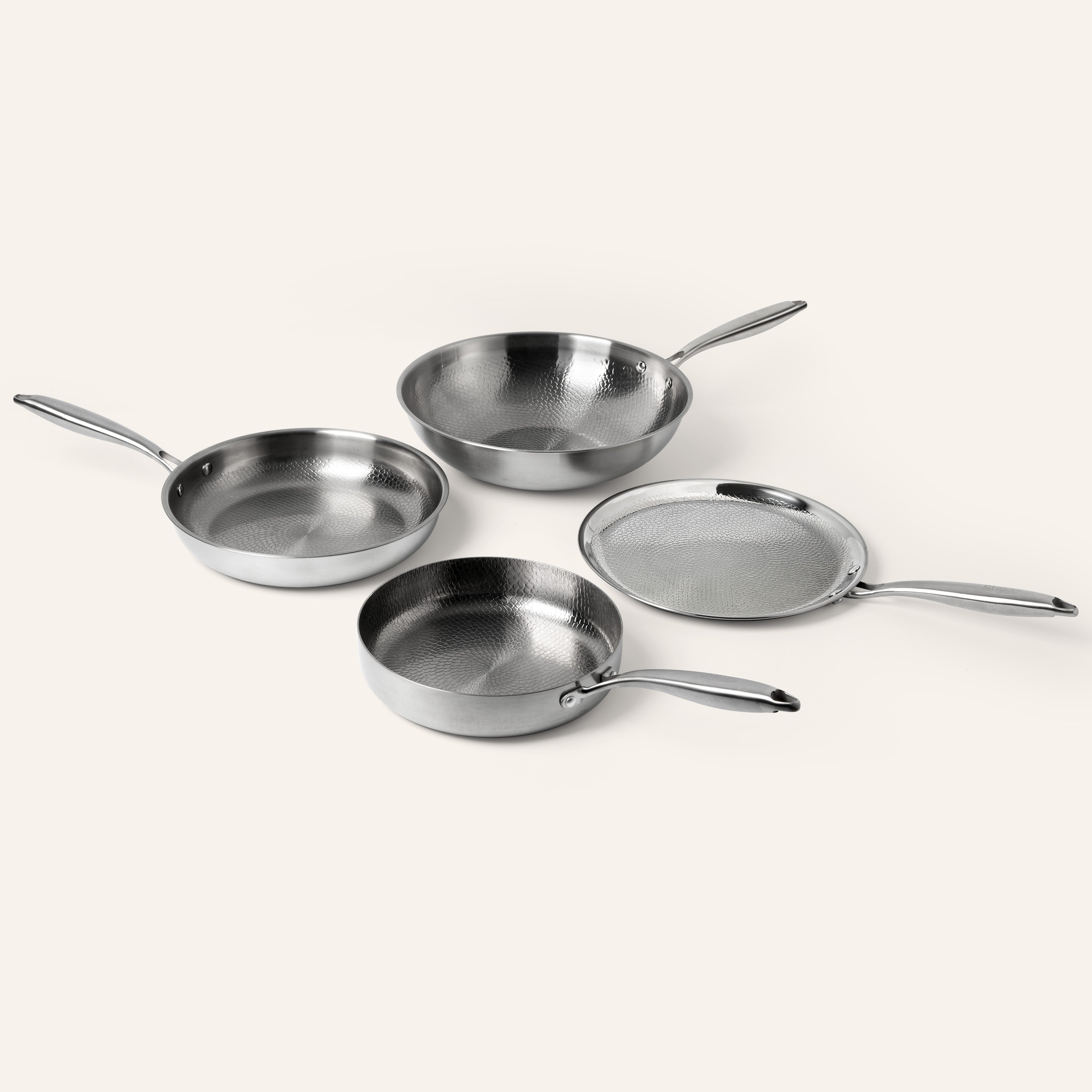
 Titanium Hammered Pan Pro Mini
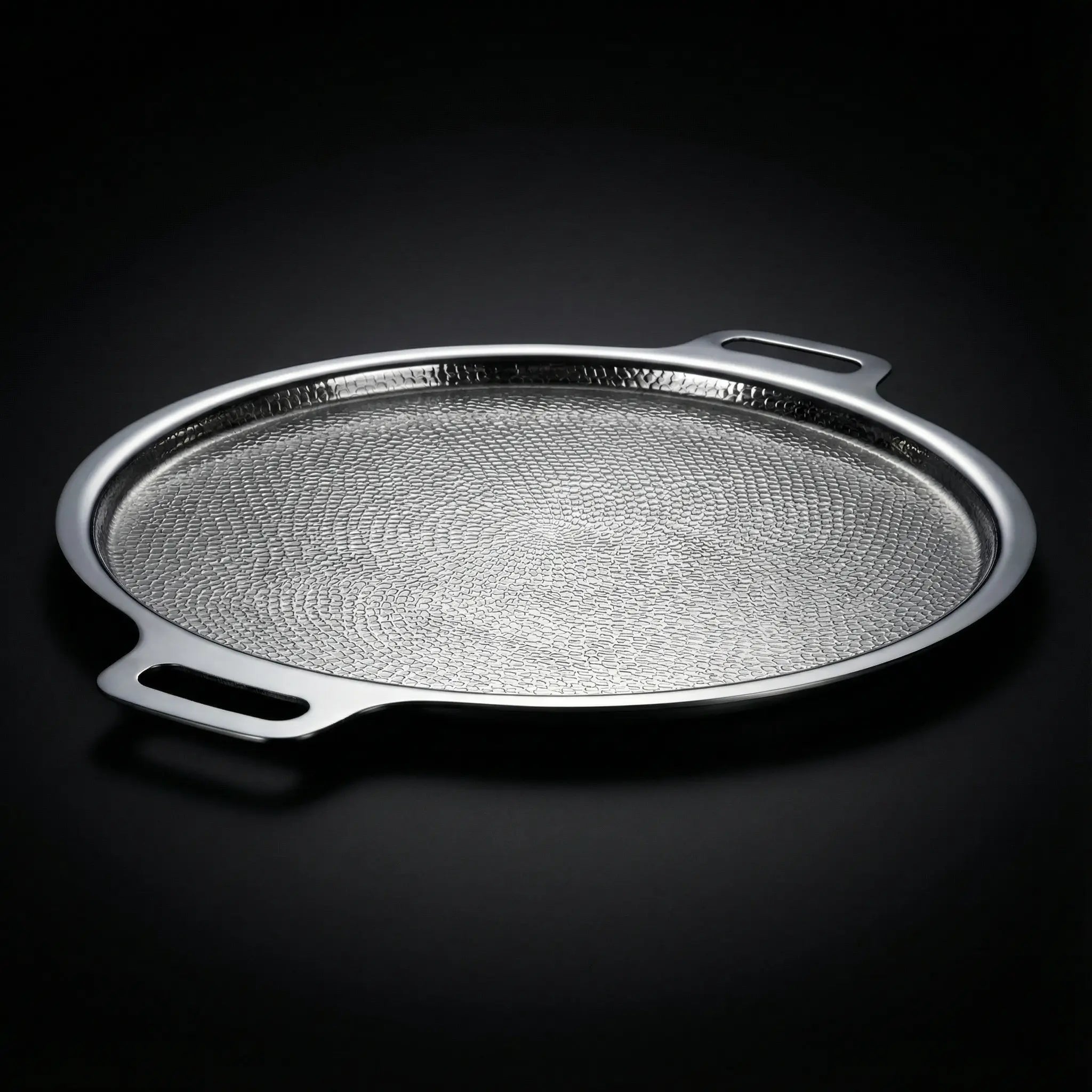
 Titanium Hammered Pizza Steel
 Titanium Hammered Pan Pro Standard
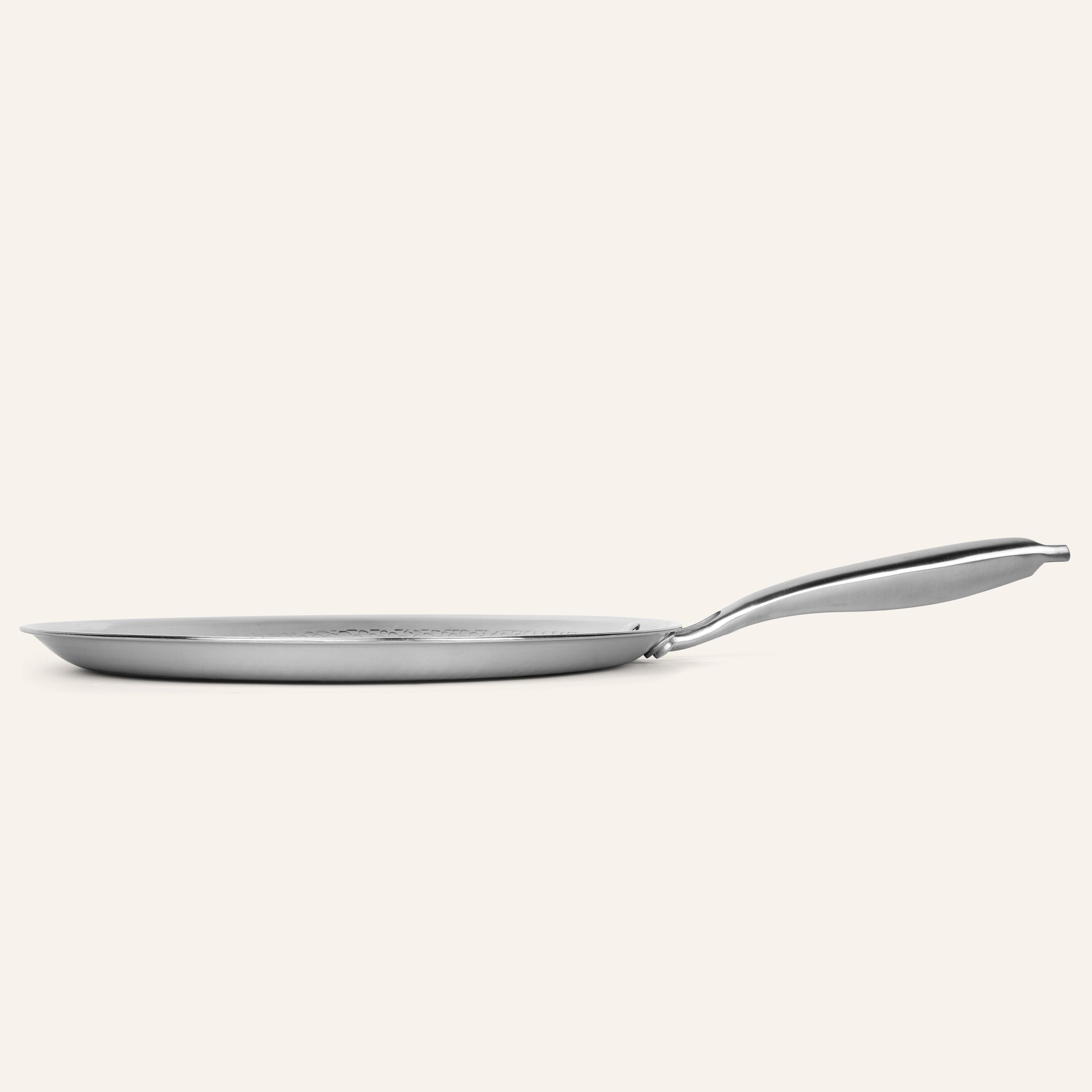
 Titanium Hammered Crêpe Pan Pro
 Titanium Hammered Pan Pro Small
 Titanium Hammered Wok Pan Pro
 Titanium Hammered Pan Pro Large
 Titanium Hammered Deep Pan Pro
 Titanium Hammered Roasting Pan
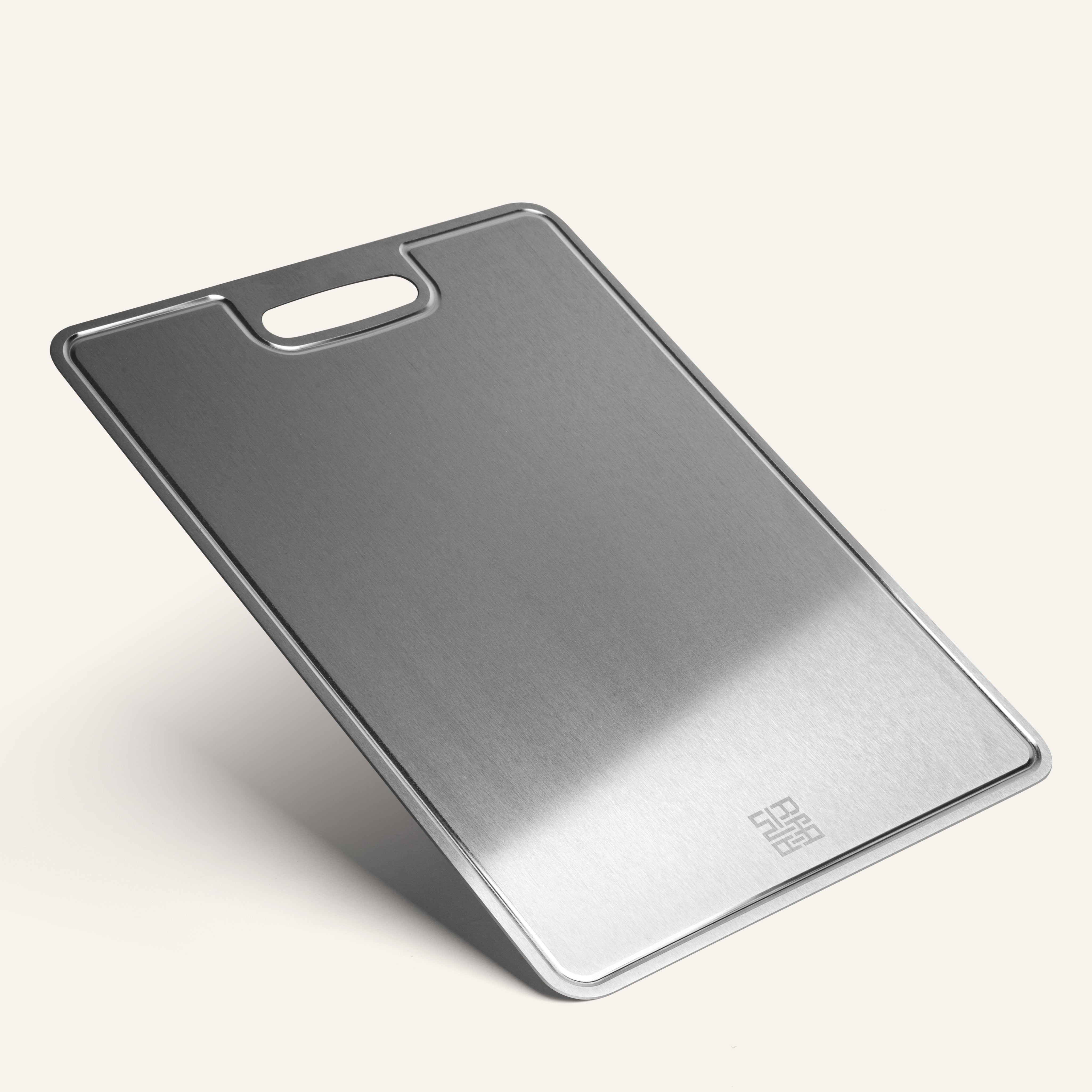
 Titanium Cutting Board (Anti-Microbial)
 Titanium Cutting Board Bundle
 Siraat Signature Apron (Azure)
 Siraat Signature Apron (Oak)
 Siraat Signature Apron (Moss)
 Siraat Signature Apron (Ember)
 Salt & Pepper Mill Set
 Salt Mill
 Pepper Mill
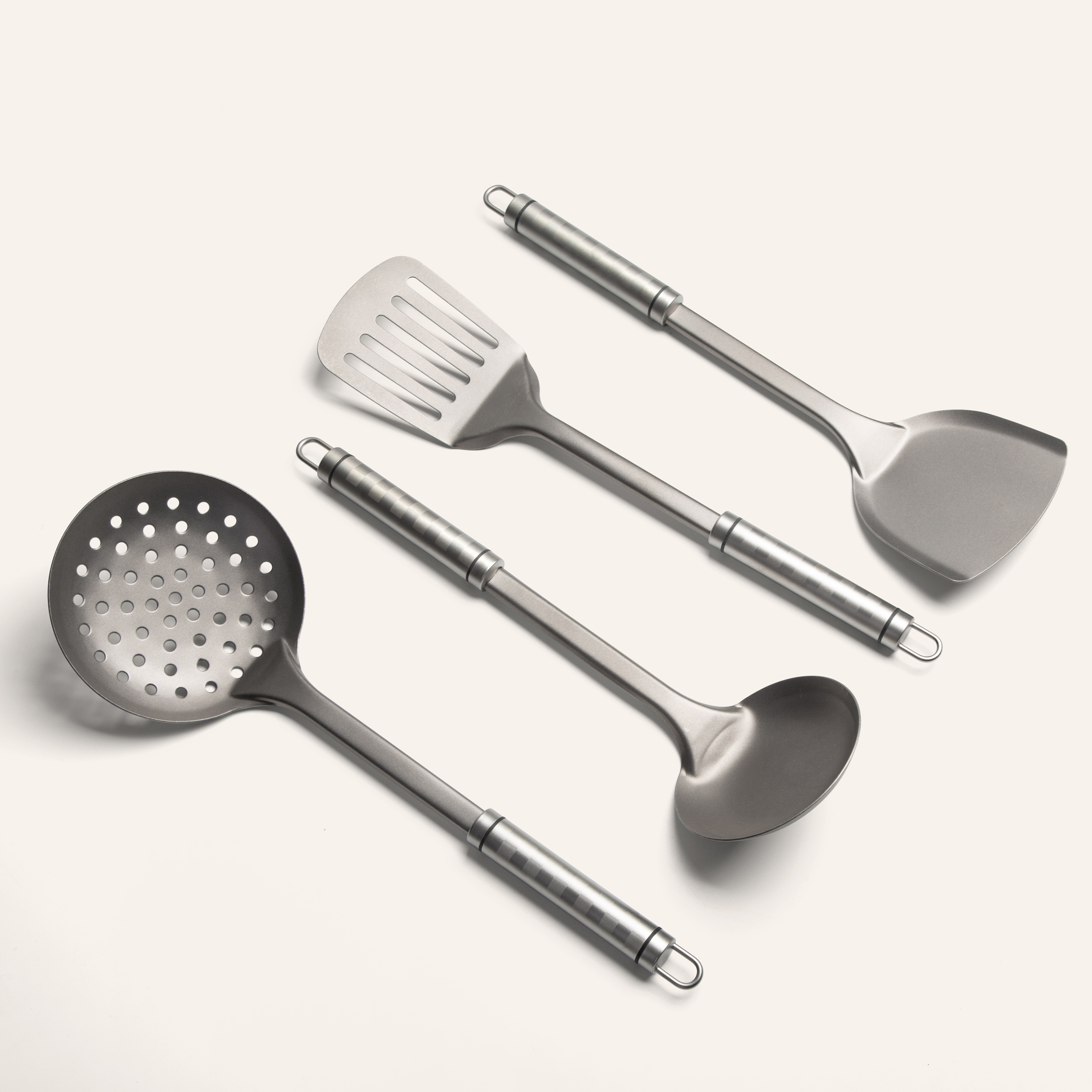
 Titanium Utensil Set Bundle
 Titanium Utensil
 Grill Press
 Pizza Wheel
 Rolling Knife Sharpener
 Magnetic Cherry Wood Trivet
 Stainless Steel Lid
 Cherry Wood Mini Trivet
 Titanium Ice Cubes
 Titanium Straws
 Non Slip Mat For Cutting Board
 Diatomite Mat Anthracite
 Titanium Water Bottle









Non-stick cookware has become a kitchen staple for many households thanks to its convenience and easy food release. At the same time, more people are starting to ask an important question: do all non-stick pans have forever chemicals and potentially harmful coatings?
The short answer is not as simple as yes or no, because not all of them are made the same. In this guide, you’ll learn about the most common types of non-stick coatings, which ones may contain forever chemicals, and what safer, long-term alternatives exist for health-conscious kitchens.
What Are Forever Chemicals in Non-Stick Pans?
“Forever chemicals” is a common term used to describe a group of synthetic substances known as PFAS (per- and polyfluoroalkyl substances). They include compounds like PFOA and PFOS, which are among the most widely studied and discussed PFAS compounds. These chemicals are called “forever” because they do not easily break down in the environment or in the human body and can persist for long periods of time.
In cookware, PFAS have most often been associated with traditional non-stick coatings, particularly those designed to create a slick surface and provide a good food release. Today, the awareness around PFAS has increased significantly. Research into their environmental persistence and potential health impact has led many manufacturers and consumers to question whether chemical-based non-stick coatings are the best long-term option for everyday cooking.
Do All Non-Stick Pans Have Forever Chemicals?
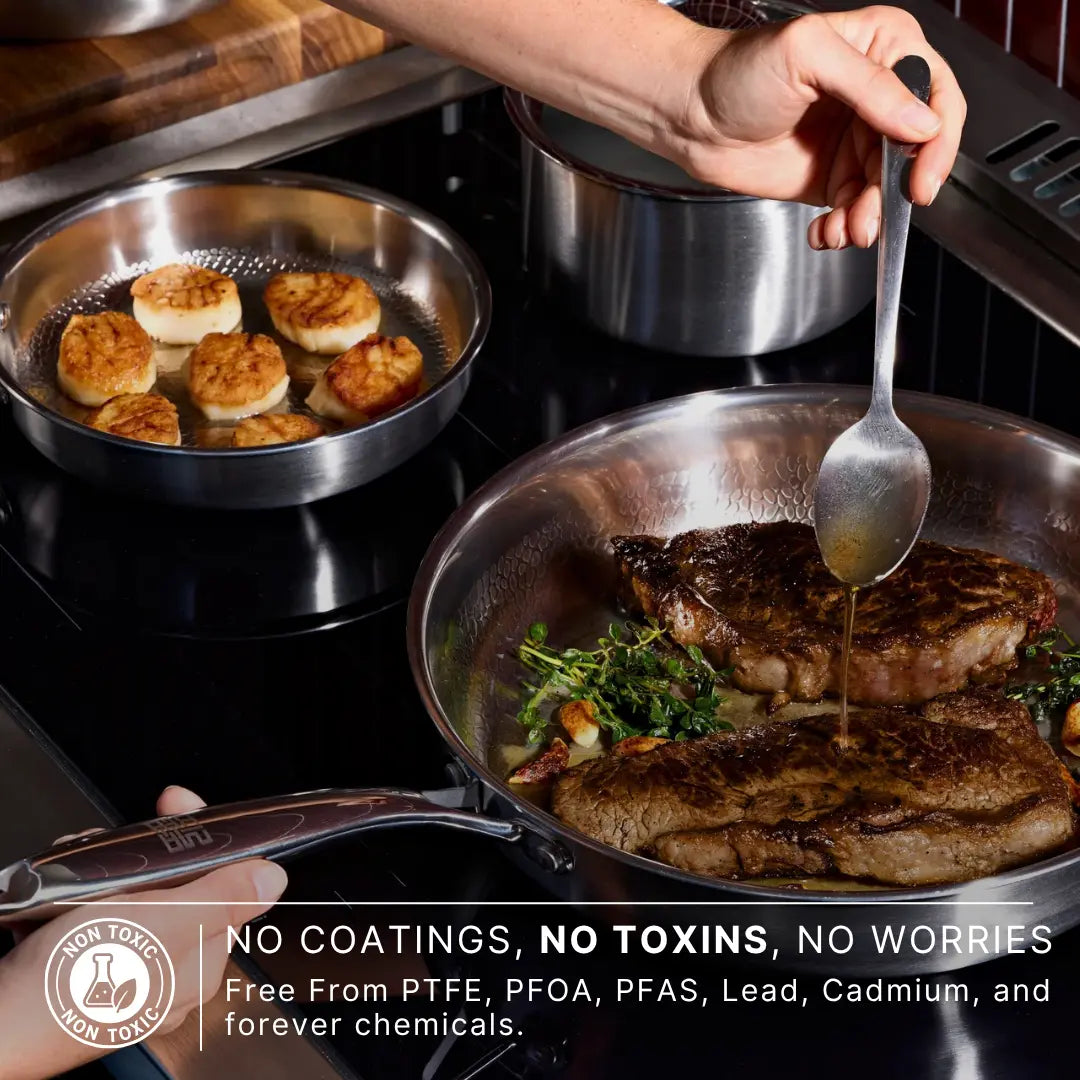
No, not all non-stick pans have forever chemicals. Many traditional non-stick pans use chemical-based coatings associated with PFAS, but there are also non-stick or naturally low-stick cookware options that achieve food release without synthetic chemical coatings.
The confusion often comes from the way the term non-stick is used. In many cases, it refers specifically to pans coated with chemicals, but cooking performance does not always depend on chemical coatings alone. Some cookware materials and surface technologies are designed to be naturally low-stick, relying on factors such as surface texture, material properties, and proper heat management rather than applied chemical layers. These materials include titanium, cast iron (with regular seasoning), and stainless steel (when used with proper heat control and cooking technique).
Another reason this topic can be confusing is product labeling. Terms like non-stick, PFOA-free, or PFAS-free are often used interchangeably, even though they do not all mean the same thing. A pan may be free from certain chemicals while still using a coated surface that can wear down or lose performance over time. For consumers focused on health and durability, understanding how cookware achieves its non-stick properties is just as important as the label on the packaging.
How Can You Tell If a Non-Stick Pan Uses Chemical Coatings?
Check the Surface Description and Material
Traditional non-stick pans that rely on applied coatings typically describe the surface as PTFE-based or Teflon™-coated. Some products may also be marketed as ceramic non-stick, which refers to a different type of applied surface layer rather than a solid, uncoated material. The non-stick layer is typically applied on top of a base material, such as stainless steel or aluminium.
On the other hand, cookware that is designed to be naturally low-stick usually emphasizes the material itself or the surface engineering. Terms like hammered surface, virtually non-stick or uncoated often indicate that the pan’s performance doesn’t rely on a synthetic coating.
Look Closely at Labels and Marketing Claims
Labels such as PFOA-free or PFAS-free can be helpful, but they don’t always provide the full picture of how a non-stick surface is made or how it performs over time. A pan may be free from certain chemicals while still relying on a coated surface that can wear down over time.
Because of this, it’s important to look beyond a single claim and consider how the non-stick effect is achieved. Marketing terms are not always standardized, and similar phrases can be used for very different types of cookware and surface technologies.
Consider How the Pan Changes Over Time
Chemical-based non-stick coatings tend to show visible signs of wear with regular use, especially when exposed to high heat, metal utensils, or or frequent scrubbing and friction during everyday use. Scratches, discolorations, or areas where food begins to stick more easily can indicate the coating is degrading or losing effectiveness.
Cookware without a synthetic layer generally maintains more consistent appearance and cooking performance for a longer time, particularly when properly used and maintained. Surfaces that rely on material properties rather than coatings are less likely to degrade in ways that affect food contact.
Evaluate Long-Term Use and Care Requirements
Pans with chemical coatings often come with specific care instructions, such as avoiding high heat or certain cleaning methods. These limitations are there to protect the coating. If cookware is marketed as suitable for higher temperatures and long-term everyday use, this may indicate that its non-stick or low-stick performance comes from the underlying material or surface structure rather than a delicate chemical coating.
Why Are Many Cooks Moving Away From Coated Non-Stick Pans?
Health and Sensitivity Concerns
As conversations around chemical exposure have become more common, many people are paying closer attention to materials that come into contact with their food. While not all coatings pose the same level of concern, some cooks prefer to reduce their reliance on synthetic surface layers – especially in households with allergies, sensitivities, or young children. This has led to increased interest in cookware made from non-reactive and non-toxic materials that do not rely on chemical coatings to perform.
Wear, Scratches, and Coating Degradation Over Time
Another common reason why cooks choose to look for alternatives to non-stick cookware with chemical coating is durability. Synthetic coatings are designed to create a smooth surface, but over time they can wear down, scratch, and lose effectiveness, especially with frequent use.
Once the coating begins to degrade, the pan becomes less reliable and more difficult to clean. As coatings continue to wear, some consumers also express concern about the potential for small coating fragments to break down or flake off during cooking. For people who cook regularly, this can mean replacing pans more often than expected, which is both inconvenient and costly in the long run.
Sustainability and Frequent Replacement
Frequently replacing cookware is not only a practical and budget-related issue, but also an environmental one. When pans are used for only a few years and then discarded, it contributes to unnecessary waste.
That’s also why many cooks and environmentally conscious households look for long-lasting cookware designed to withstand regular, everyday use. Materials that prioritize durability and longevity align more closely with a sustainability-focused mindset.

Are Titanium Non-Stick Pans a Safer Alternative?
Titanium cookware is increasingly discussed as an alternative for those looking to move away from traditional coated non-stick pans. This is largely due to titanium’s reputation as a non-reactive, stable, and non-toxic material.
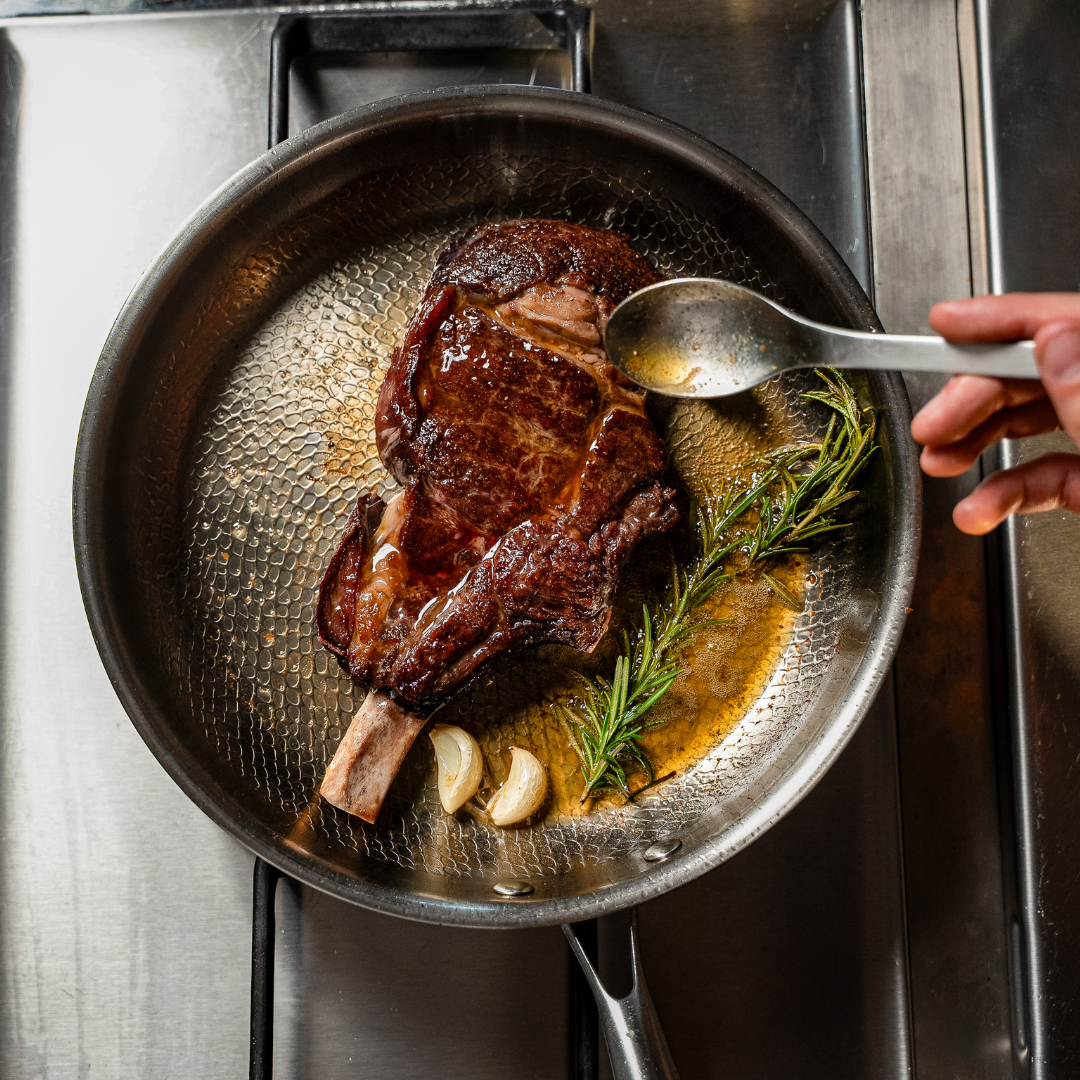
Cookware designed with uncoated or surface-engineered titanium – such as hammered pans and pots – can achieve a naturally low-stick effect through the properties of the material itself rather than an applied chemical top layer. For cooks who prioritize durability and long-term use, titanium cookware is often valued for its resistance to corrosion and a better scratch resistance compared to many coated surfaces.
Because the cooking surface is not dependent on a fragile coating, performance tends to stay the same even over the years when properly used and maintained. This makes titanium an appealing choice for health-conscious households that cook frequently and want cookware to last even for decades.
Final Thoughts: Choosing Safer Non-Stick Cookware for Everyday Cooking
While many traditional non-stick pans rely on chemical coatings, there are also alternatives that focus on material properties and surface design rather than synthetic layers. For health- and environmentally conscious cooks, it’s important to look beyond marketing labels, paying attention to materials, and considering long-term durability.
Investing in well-designed cookware made from non-reactive and durable materials can reduce the need for frequent replacements and provide greater peace of mind in the kitchen. Ultimately, the safest choice is cookware that supports your cooking habits, aligns with your values, and performs reliably over time without relying on fragile coatings.

Explore our titanium cutting boards now
Designed for cooks who prioritize durability, food safety, and long-term value