



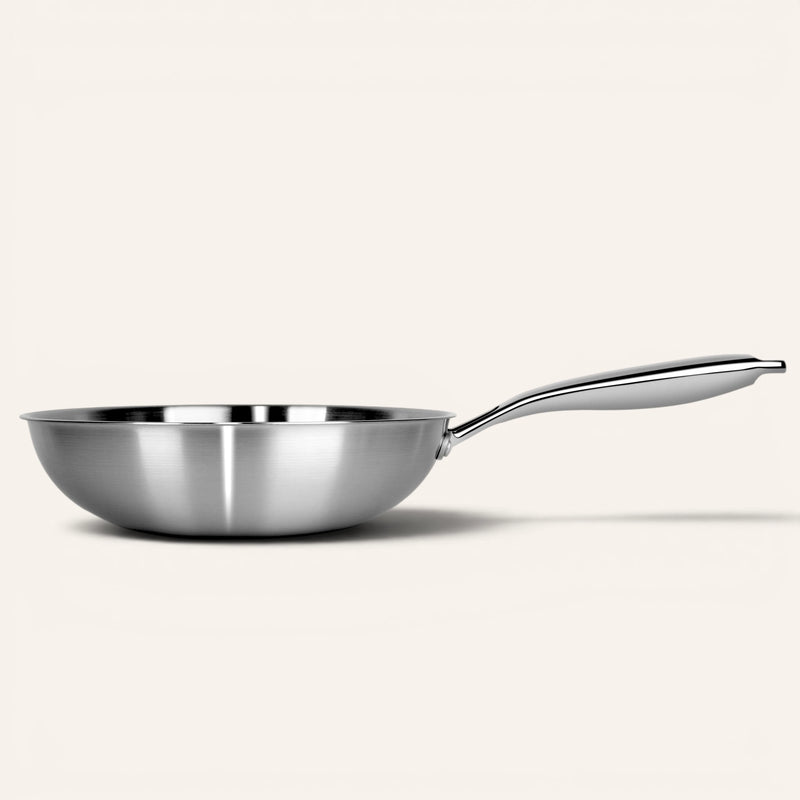


The best pan for cooking pizza is one that retains high heat, distributes it evenly, and helps create a crisp, evenly browned crust. Choosing the right pan can make the difference between a soft crust and a pizza with the crisp base and airy edges you'd expect from a pizzeria. Each material performs differently, from how it transfers heat to how easy it is to maintain.
In this guide, we'll compare different pizza cooking surfaces, including pizza stone, cast iron, aluminum, non-stick pans, and titanium pizza steel, to help you find the best option for your needs and explain why the material matters just as much as the recipe.
What Makes the Best Pan for Cooking Pizza?
High Heat Retention
Most homemade pizzas are baked at 450-550°F (230-290°C), while pizza ovens often reach 700-900°F (370-480°C) or more. At these temperatures, the baking surface plays a critical role in how quickly the crust cooks and browns.
A great pizza pan should be able to absorb and retain plenty of heat before the dough even touches its surface. When the dough lands on a properly preheated surface, it starts cooking immediately, creating a crisp, well-browned crust while helping the inside stay light and airy. Materials with excellent heat retention maintain a more stable cooking temperature throughout baking, making it easier to achieve consistent results, even when baking multiple pizzas back to back.
Even Heat Distribution
Hot spots can leave one side of your pizza overcooked while the other remains pale or underdone. A quality pizza pan distributes heat evenly across the entire surface, helping the crust brown consistently from edge to edge. It also allows the toppings and crust to cook at the same rate, so you're less likely to end up with a perfectly cooked topping sitting on an undercooked base.
Durability
Pizza is typically baked at some of the highest temperatures used in home cooking, so your baking surface should be able to withstand repeated exposure to intense heat without warping, cracking, or losing its performance. Durable materials not only last longer but also deliver more consistent results over time, making them a worthwhile investment for anyone who bakes pizza regularly.
Non-Toxic Materials
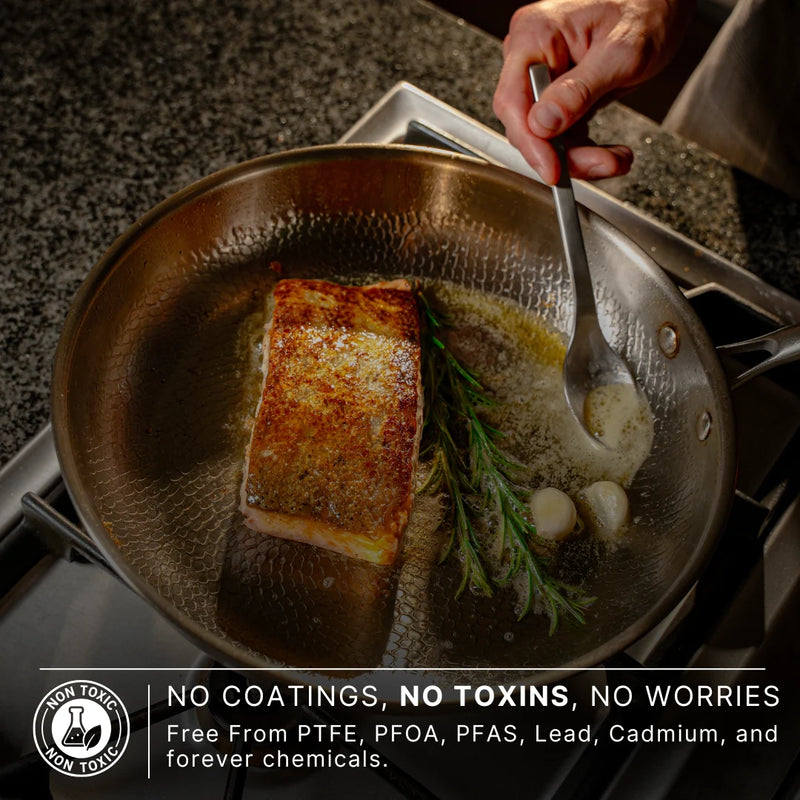
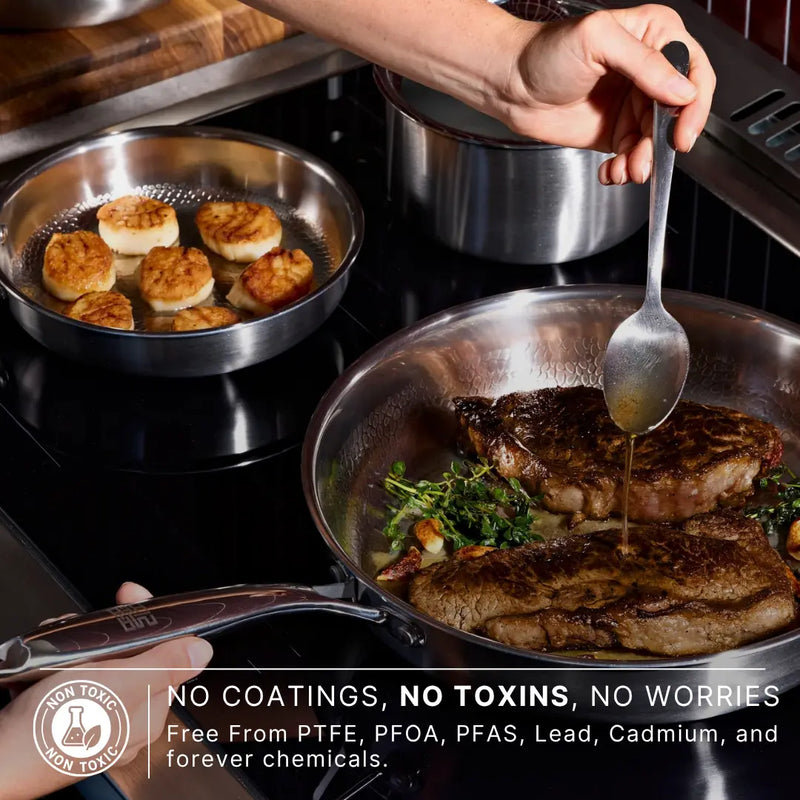
Many home cooks also consider the materials used in their cookware, especially when baking at high temperatures. While traditional non-stick pans are convenient for everyday cooking, they're generally not designed for the intense heat often used for pizza. Choosing a baking surface made without PFAS, PTFE, PFOA, lead, or cadmium offers peace of mind. It also eliminates the need for synthetic non-stick coatings, which are generally not designed for the high temperatures often used when baking pizza.
| Pizza Surface | Best For | Main Advantage | Considerations |
|---|---|---|---|
| Pizza Stone | Artisan-style pizza | Creates a traditional crust | Longer preheating time and can crack |
| Titanium Pizza Steel | High-heat pizza & everyday baking | Fast, even heat, exceptional durability, non-toxic material & easy maintenance | Higher upfront investment |
| Cast Iron | Deep-dish and pan pizza | Very good heat retention | Heavy and requires seasoning |
| Aluminium | Everyday baking | Lightweight | Lower heat retention |
| Traditional Non-Stick | Convenience | Easy food release | Not ideal for very high temperatures |
Comparing Different Pizza Cooking Surfaces
Pizza Stone
A pizza stone has long been a favorite among home pizza makers. Made from ceramic or cordierite, it absorbs moisture from the dough as it bakes, helping create a crisp crust with a more traditional, artisan-style texture.
Pros:
-
Produces a crisp, evenly baked crust
-
Absorbs excess moisture from the dough
-
Well suited for pizza and other baked goods
-
Available in a range of sizes and price points
Cons:
-
Requires a long preheating time to reach its full baking potential
-
Can crack if exposed to thermal shock or dropped
-
Heavier and more fragile than many alternatives
-
Porous surface makes cleaning more difficult, as soap is generally not recommended
Titanium Pizza Steel
A titanium pizza steel combines the rapid heat transfer of a pizza steel with the durability and easy maintenance of a titanium cooking surface. Designed for high-temperature baking, it delivers intense, even heat that helps create a crisp, well-browned crust in less time. Unlike coated non-stick pans, the cooking surface relies on titanium rather than synthetic coatings, making it suitable for high-heat pizza baking.
Pros:
-
Excellent heat retention and heat distribution
-
Produces crisp, evenly browned crusts
-
Reaches and withstands very high baking temperatures
-
Easy to clean and often dishwasher safe
-
When featuring a hammered titanium surface, it offers natural low-stick properties without PFAS, PTFE, or PFOA coatings
-
Highly durable and resistant to warping
-
Compatible with all cooktops, including induction, provided it’s fully-clad
-
Safe to use with metal utensils
Cons:
-
Higher upfront cost, reflecting durability, strength, and purity of the material
-
Lower natural heat conductivity when not combined with other materials, so fully-clad construction is important for optimal heat performance
Cast Iron
Cast iron is a versatile option that can produce a very good pizza, especially if you enjoy deep-dish or pan-style recipes. It retains heat exceptionally well and can go from stovetop to oven, making it useful for a variety of cooking techniques beyond pizza.
Pros:
-
Excellent heat retention for a well-browned crust
-
Durable and built to last
-
Versatile enough for baking, roasting, frying, and searing
Cons:
-
Heavy and less convenient to handle
-
Requires regular seasoning to maintain its cooking surface and prevent rust
-
Takes longer to preheat than thinner pizza baking surfaces
-
Better suited to thicker, pan-style pizzas than thin, pizzeria-style crusts
Aluminum Pizza Pan
Aluminum pizza pans are a popular choice for everyday home baking thanks to their lightweight design. They heat up quickly and are easy to handle, making them well suited for beginners or occasional pizza nights.
Pros:
-
Lightweight and easy to handle
-
Heats up quickly
-
Widely available
Cons:
-
Doesn't retain heat as well as pizza steel, stone, or cast iron
-
Less likely to produce a deeply browned, crispy crust
-
May warp over time when exposed to very high oven temperatures
-
Can wear more quickly with frequent use
Traditional Non-Stick Pizza Pan
Traditional non-stick pizza pans are designed for convenience. Their coated surface helps prevent sticking and makes cleanup simple. However, they're generally intended for moderate temperatures rather than the high heat often used to achieve pizzeria-style pizza.
Pros:
-
Food releases easily with minimal oil
-
Easy to clean
-
Lightweight and beginner-friendly
-
Typically more affordable than premium pizza baking surfaces
Cons:
-
Coating usually wears down over time
-
Not ideal for the highest pizza baking temperatures
-
Less durable than uncoated materials like titanium
-
Performance may decline as the non-stick coating ages

Pizza Steel vs. Pizza Stone: Which Is Better?
Both pizza steel and pizza stone can produce excellent homemade pizza, but they're designed to achieve slightly different results. A pizza stone absorbs moisture from the dough, making it a popular choice for artisan-style pizzas with a crisp crust. It isn't just for pizza, as many home bakers also use a pizza stone for artisan bread and other baked goods.
Pizza steel, on the other hand, transfers heat to the dough much more efficiently. The faster heat transfer helps create a lighter, airier crust with a crisp, deeply browned bottom that's often associated with pizzeria-style pizza. Because it's less fragile than stone, it also handles frequent use better and doesn't require the same level of care when handling or cleaning.
If you're looking for versatility and traditional baking, a pizza stone is still a solid choice. But if your goal is consistently crisp, evenly baked pizza with less maintenance and greater durability, a pizza steel is often the better long-term investment for home cooks who bake pizza regularly.
Is Titanium Pizza Steel Better Than Traditional Pizza Steel?
Traditional pizza steels are typically made from carbon steel, a material known for its excellent baking performance. It transfers heat efficiently to the dough, helping create a crisp, pizzeria-style crust. The trade-off is that carbon steel requires regular care to prevent rust, including drying it thoroughly after washing and occasionally re-seasoning the surface.
A titanium pizza steel offers the same excellent baking experience while reducing much of that maintenance. Rather than relying on seasoning or synthetic non-stick coatings, a titanium cooking surface is naturally resistant to corrosion, easy to clean, and durable enough for everyday use. In most cases, a quick wash with warm water, dish soap, and a soft sponge is all that's needed after baking. When combined with a fully clad construction, such as an aluminum core for efficient heat transfer and a stainless steel base for induction compatibility, it delivers both excellent baking performance and long-lasting durability.
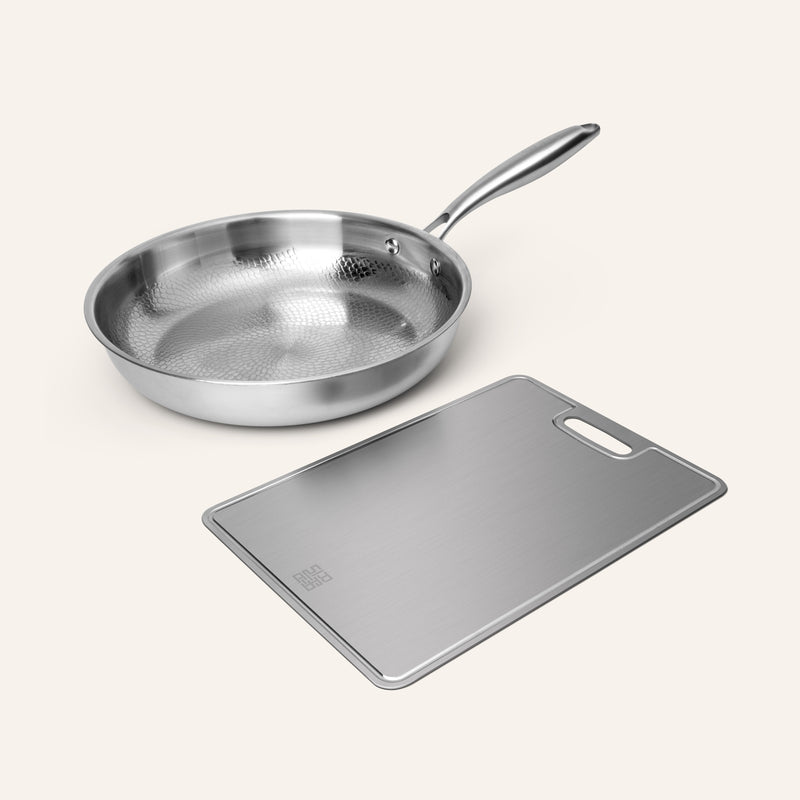
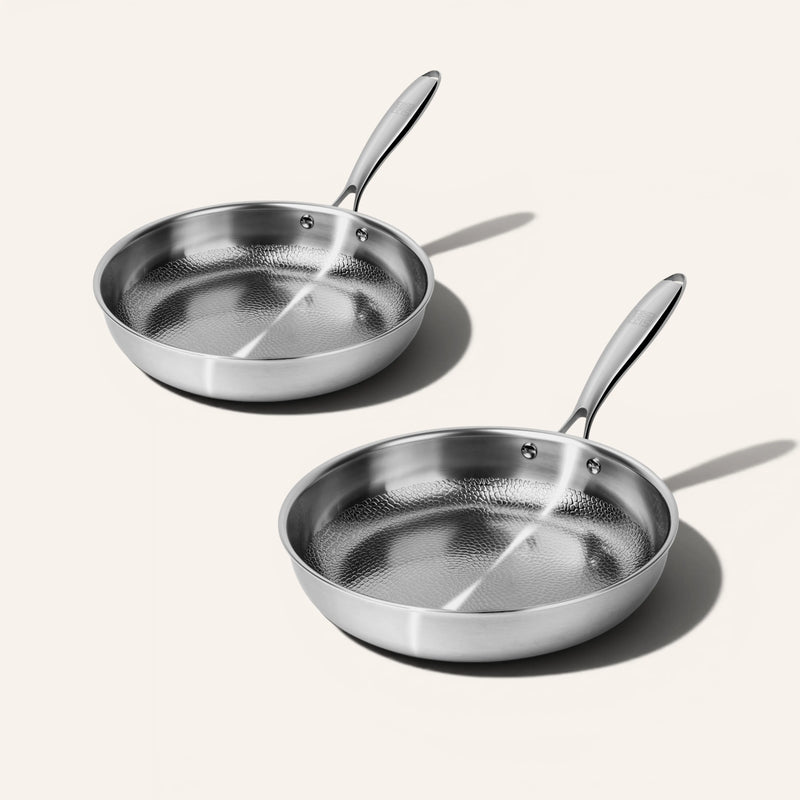
The Siraat's Kitchen Titanium Hammered Pizza Steel is built with exactly this layered construction. Its pure titanium cooking surface is free from PFAS, PTFE, and PFOA coatings, while the aluminum core promotes fast, even heat distribution for crisp, evenly browned pizza. Combined with its ability to withstand temperatures up to 1000°F (548°C), it's designed for home cooks who want professional-level results without the extra upkeep associated with traditional carbon steel.

Acciaio per pizza martellato al titanio
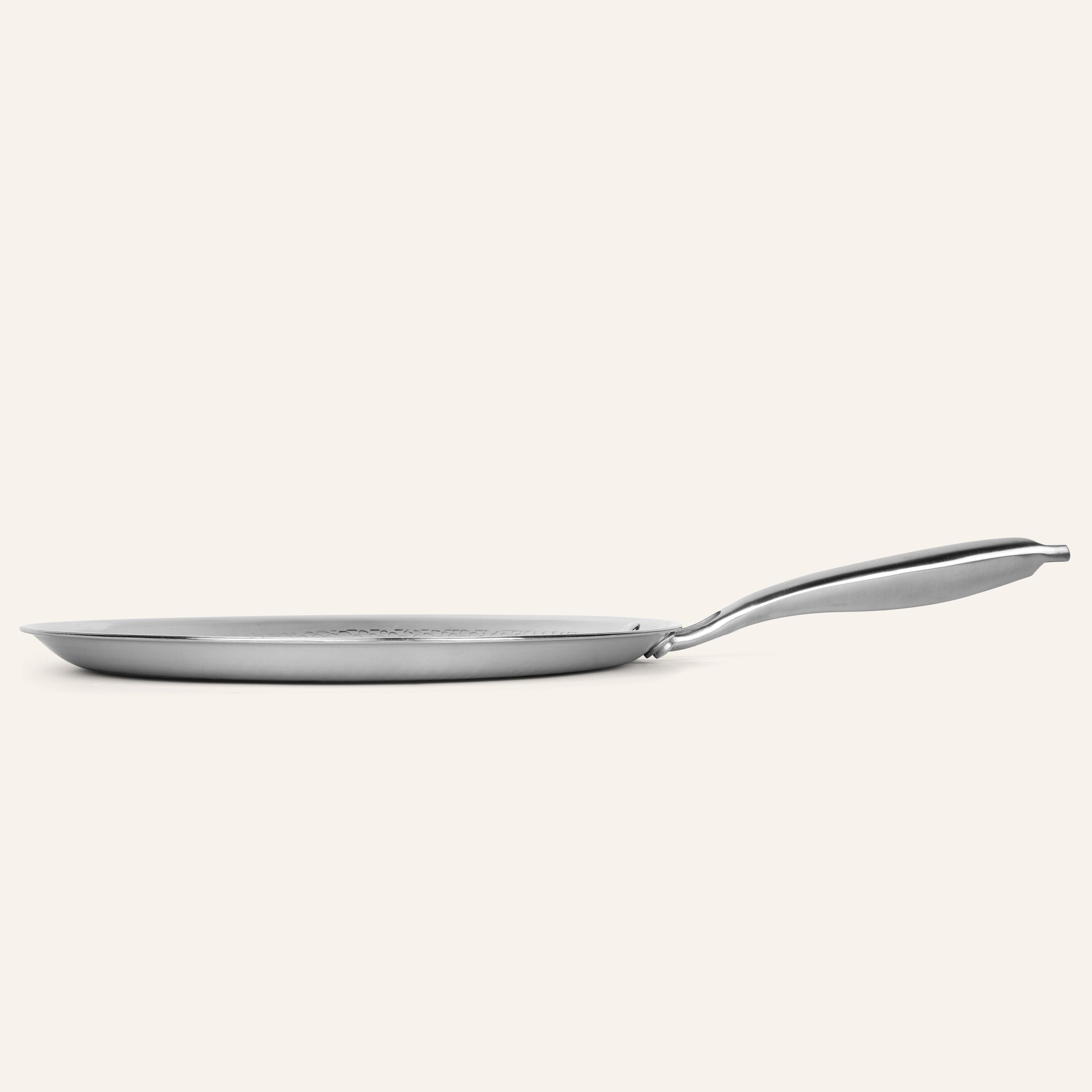
The Titanium Hammered Pizza Steel is engineered for high-heat pizza baking, delivering fast, even heat for crisp, well-browned crusts. Crafted from pure, food-grade titanium, the hammered surface improves airflow for easy release after baking. It will not crack, absorb odors, or degrade over time and contains no coatings or toxins.
The Verdict: Choosing the Best Pan for Cooking Pizza at Home
The best pan for cooking pizza depends on your baking style, preferred crust, and how often you make homemade pizza. Pizza stones are a great choice for artisan-style baking, cast iron excels at deep-dish and pan pizzas, while aluminum and traditional non-stick pans offer a practical solution for casual home cooks. If you're looking for the best balance of heat performance, durability, and ease of maintenance, however, a titanium pizza steel is hard to beat.
Whether you're baking classic Neapolitan-style pizza, New York-style slices, or experimenting with your own dough recipes, choosing the right baking surface can make a noticeable difference. Investing in a quality pizza steel means more consistent results, a better crust, and a more enjoyable homemade pizza experience every time you bake.