



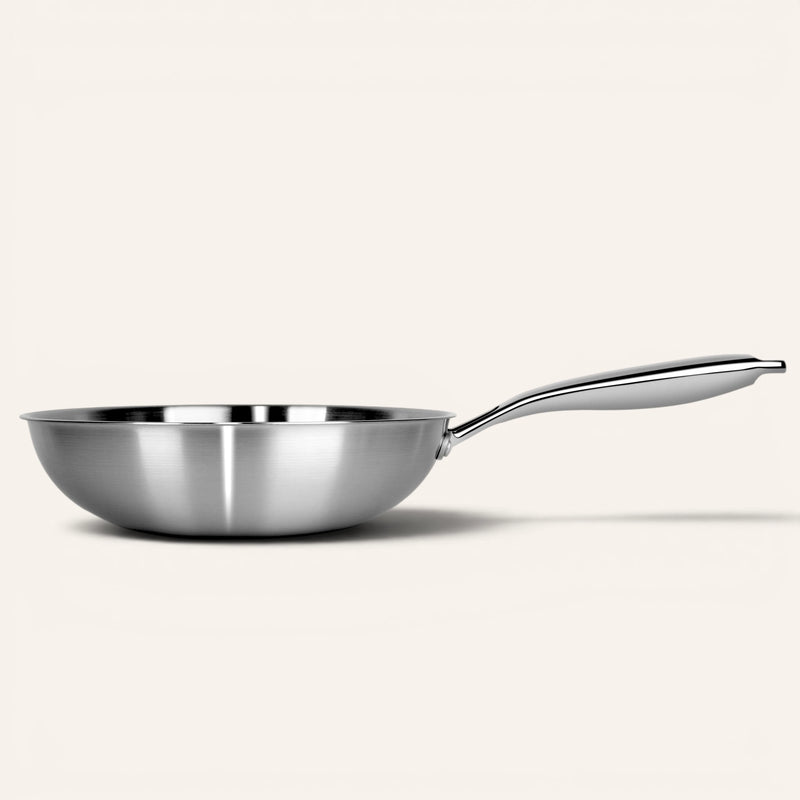

A wok is a deep cooking pan with high, sloping sides that originated in China and has been used in Asian cooking for centuries. Traditionally, woks had a round bottom for cooking over open flames, while many modern versions feature a flat base for compatibility with home cooktops. They're most commonly used for stir-frying, but they're also ideal for sautéing, deep frying, steaming, braising, and simmering.
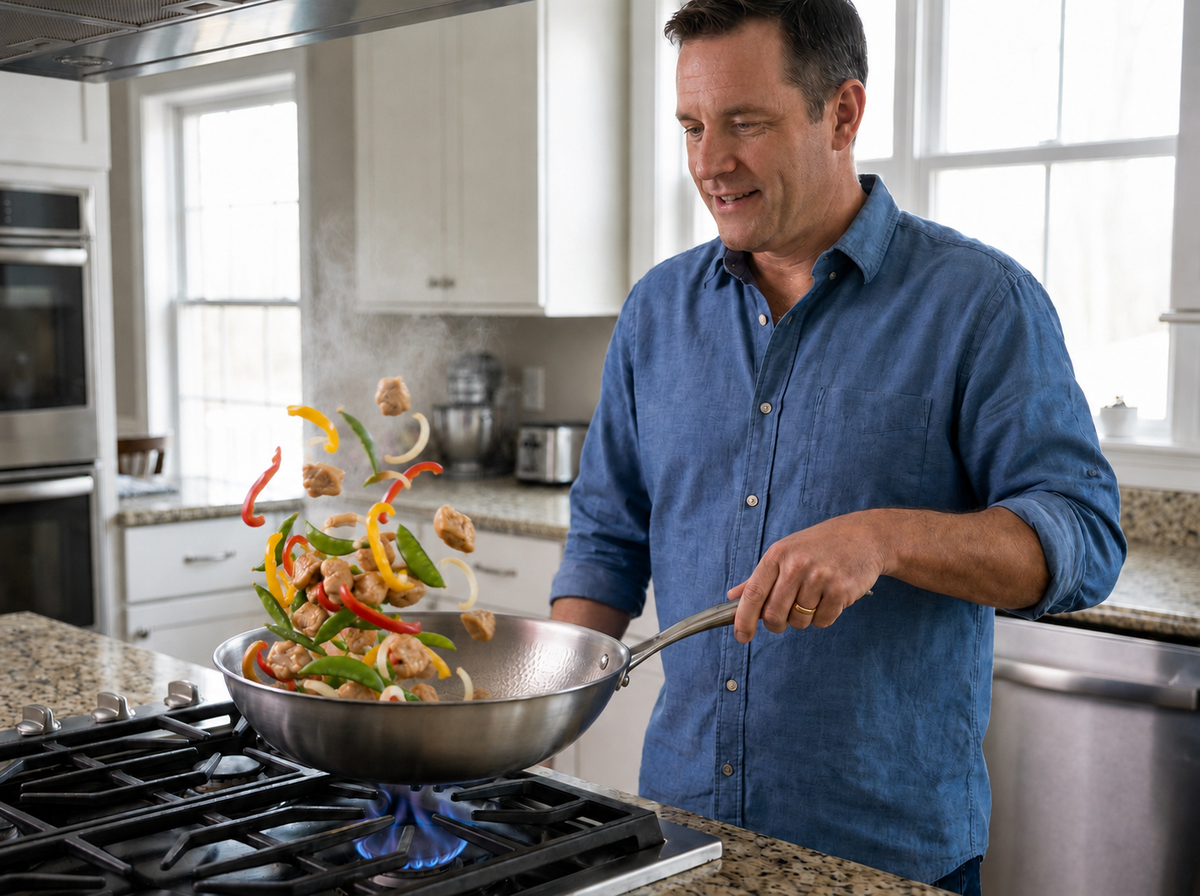
Thanks to its shape, a wok allows food to be cooked quickly at high temperatures while keeping ingredients moving easily across the cooking surface. This makes it especially useful for dishes like fried rice, noodles, and vegetable stir-fries. In this guide, we'll explain what a wok pan is used for, how it compares to a regular frying pan, and what to look for when choosing the right wok for your kitchen.
What Is a Wok Pan Used For?
A wok is one of the most versatile pieces of cookware you can own. While it's best known for stir-frying, its deep shape and high sides make it suitable for a wide variety of cooking methods, from quick weeknight meals to slow-cooked dishes.
Stir-Frying
Stir-frying is the classic use for a wok. The broad opening and high heat allow ingredients to cook quickly while remaining easy to toss and stir and retaining their texture and flavor. Constant stirring helps ensure even cooking and prevents food from sticking or burning.
Sautéing
A wok also works well for sautéing vegetables, meat, and seafood. Its sloping sides make it easy to move ingredients around the pan, while the spacious cooking surface helps reduce overcrowding, allowing food to brown instead of steam.
Deep Frying
The deep design of a wok makes it well suited for deep frying. Its high sides help reduce oil splatter, and because the cooking area narrows toward the bottom, a wok often requires less oil than a wide saucepan or Dutch oven.
Steaming
With a steaming rack or basket, a wok can easily be used for steaming vegetables, dumplings, fish, and other delicate foods. The high sides provide enough space for steam to circulate while keeping the food above the simmering water.
Braising and Simmering
A wok isn't just for high-heat cooking. Its generous capacity also makes it suitable for braising meats, simmering curries, soups, and sauces, or preparing one-pan meals that combine multiple cooking techniques.

When Should You Use a Wok Instead of a Regular Frying Pan?
When You Want Faster Cooking
A wok is ideal when you need meals on the table quickly. Because it heats up fast and keeps ingredients moving, food cooks in minutes without losing texture. This makes it especially useful for quick stir-fries and weeknight dinners.
When You Care About Even Heat Distribution
The curved design of a wok helps distribute heat naturally across the cooking surface. Ingredients can be pushed up the sides to control temperature, while the hottest zone at the bottom is used for searing. This gives you more control over how different parts of the dish cook.
When You Don’t Want to Use Much Oil
Thanks to its shape, a wok allows food to be cooked efficiently with relatively little oil. Ingredients can be tossed and coated evenly rather than submerged, which makes it a good option for lighter cooking without sacrificing flavor.
When You’re Cooking Larger Quantities
The deep shape and high sides of a wok make it easier to cook larger quantities of food without overcrowding. You can toss and combine ingredients more easily than in a standard frying pan, helping them brown instead of steam. This makes a wok especially useful when cooking for family meals or batch cooking.

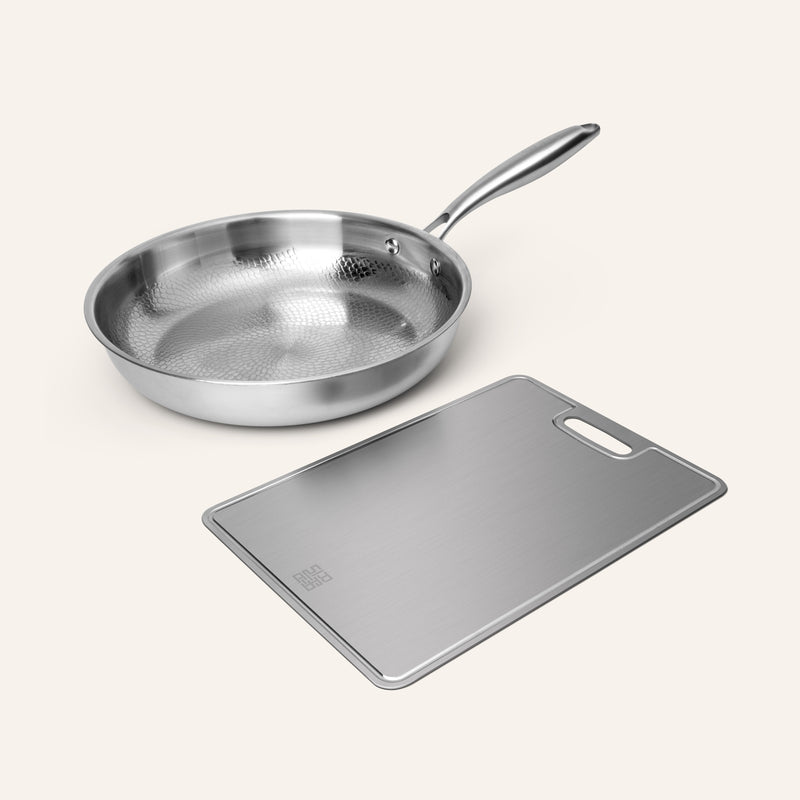
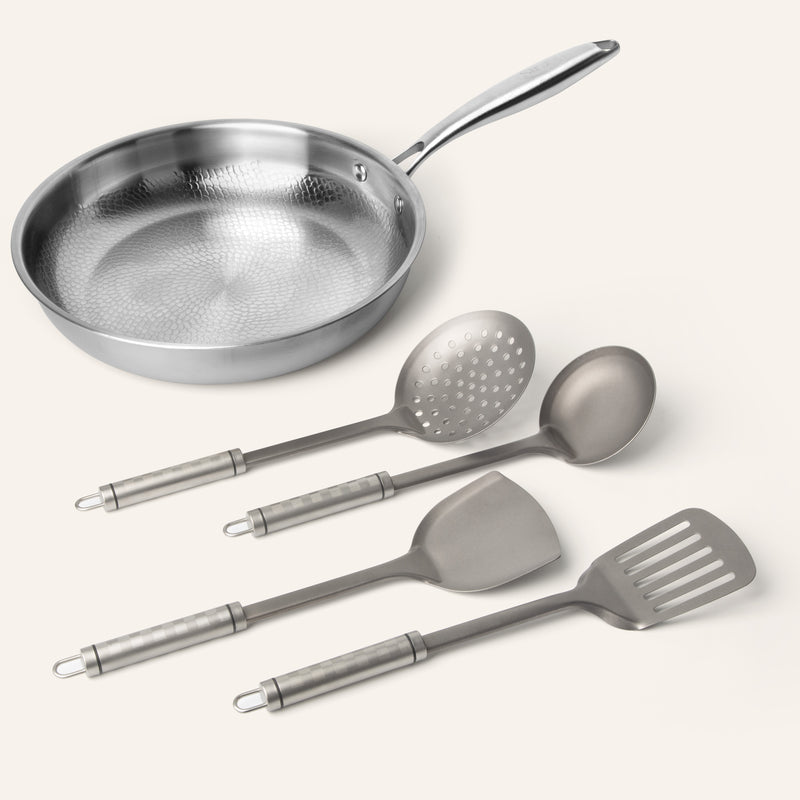
Titanium Hammered Wok Pan Pro
This Hammered Wok Pan stands apart, indestructible, lifetime durable, and trusted by cooks who crave power and control.
What Should You Look for in a Wok Pan?
Choosing the right wok can make a big difference in how it performs in everyday cooking. Beyond shape, factors like material, heat performance, and compatibility with your cooktop all play an important role in how easy and enjoyable it is to use. Look for:
-
Material and Heat Performance: The material plays a major role in how a wok performs. Traditional carbon steel woks heat quickly and are widely used for stir-frying, while fully clad constructions combine multiple metals to balance heat distribution, temperature control, stovetop compatibility, and durability. Look for a wok that can withstand high temperatures without warping and distributes heat evenly across the cooking surface for more consistent results.
-
Flat Bottom vs. Round Bottom: Flat-bottom woks are better suited for most home kitchens, especially if you're cooking on electric, ceramic, or induction stovetops. Round-bottom woks are more traditional and perform best over open flames, where the heat can wrap around the base of the pan.
-
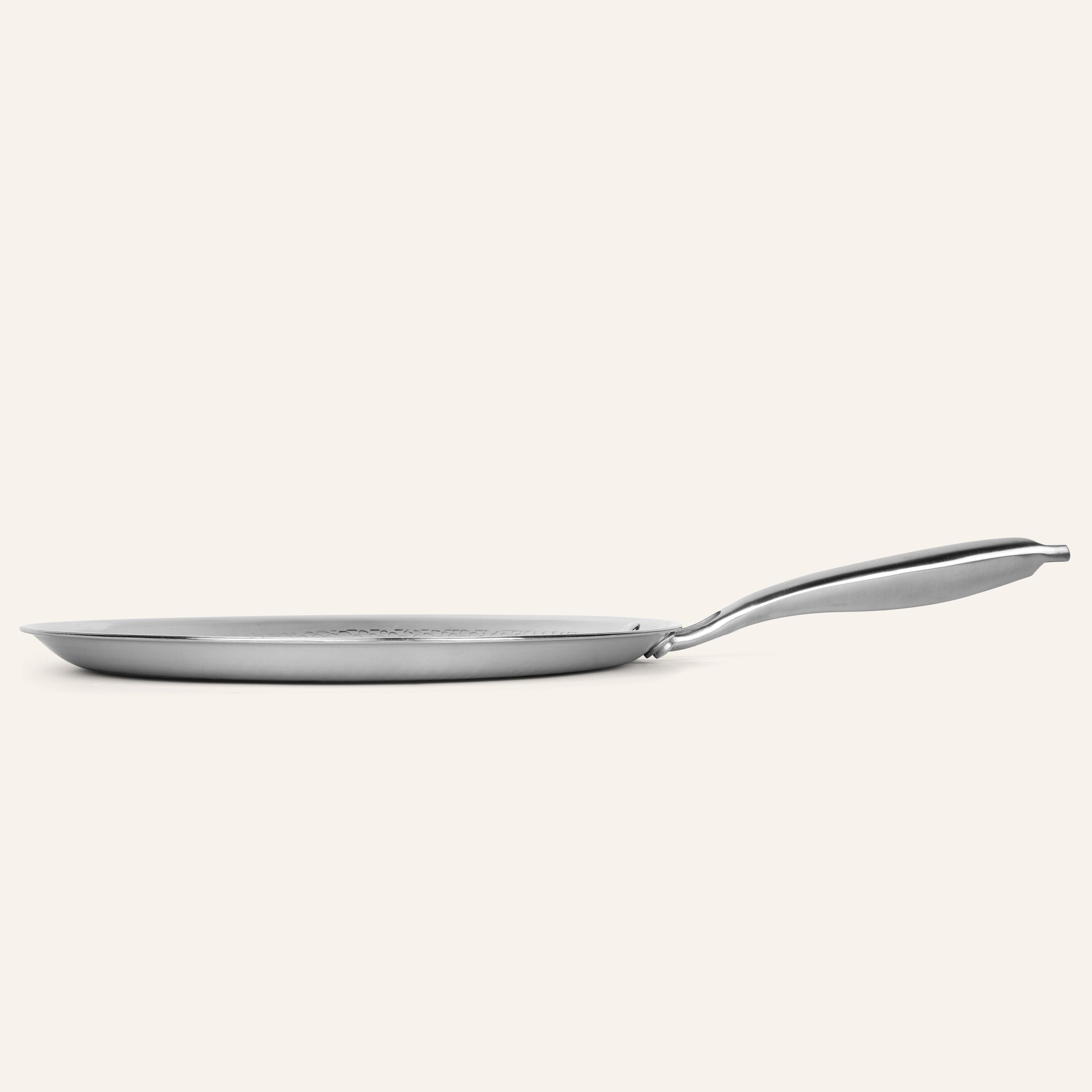
Handle Design and Ease of Use: A comfortable, heat-resistant handle is important for safety and control. Many woks feature a long handle for tossing ingredients and a helper handle for lifting the pan when it's full. Good ergonomics make a noticeable difference during fast-paced cooking.
-
Compatibility With Your Cooktop: Not all woks work on every stove. If you’re using induction or a flat electric hob, make sure the wok is compatible and stable on the surface.
-
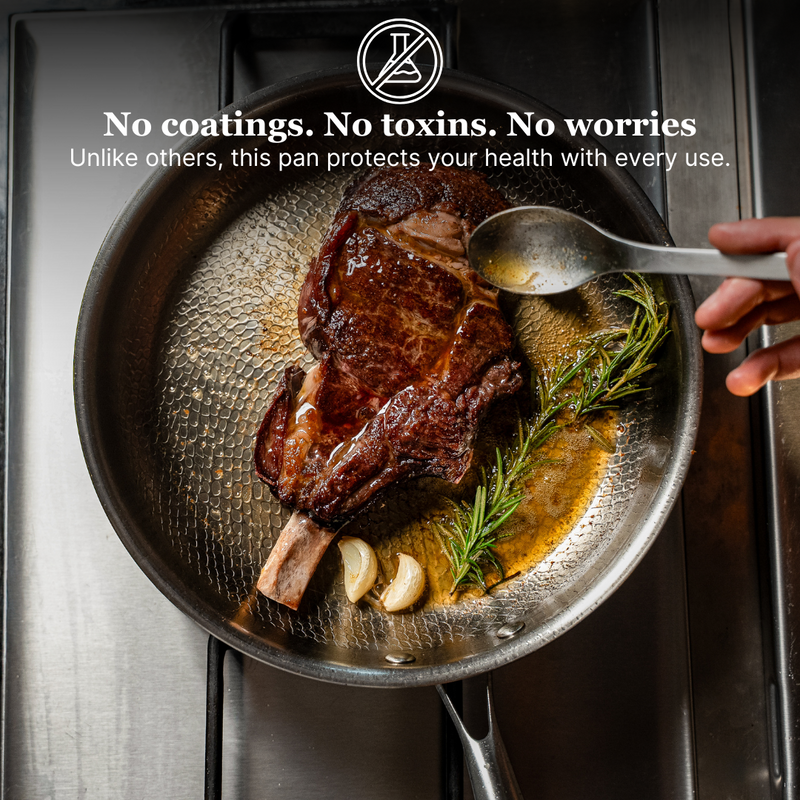
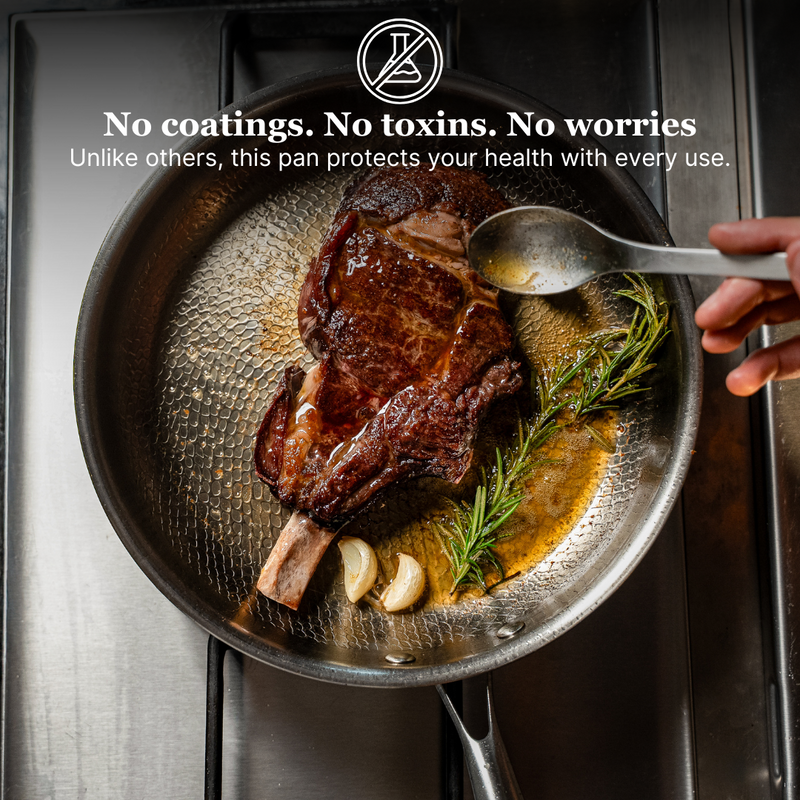
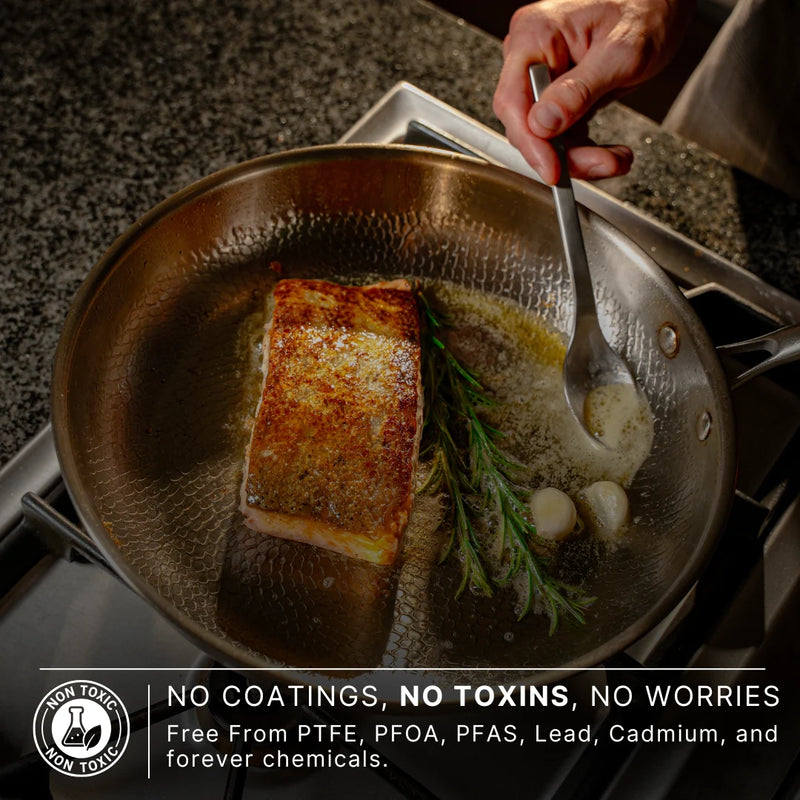
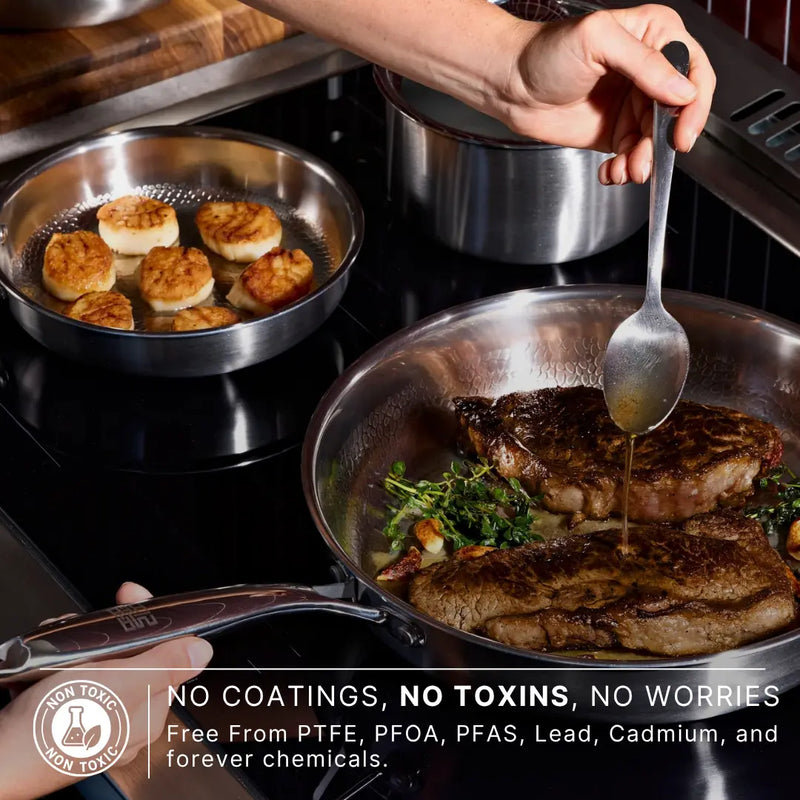
Durable, Non-Toxic Construction: For frequent cooking, durability and material safety matter. A well-built wok should resist warping and wear over time, even at high temperatures. Many modern woks also avoid coatings that can degrade under heat, focusing instead on long-lasting materials designed for everyday use.
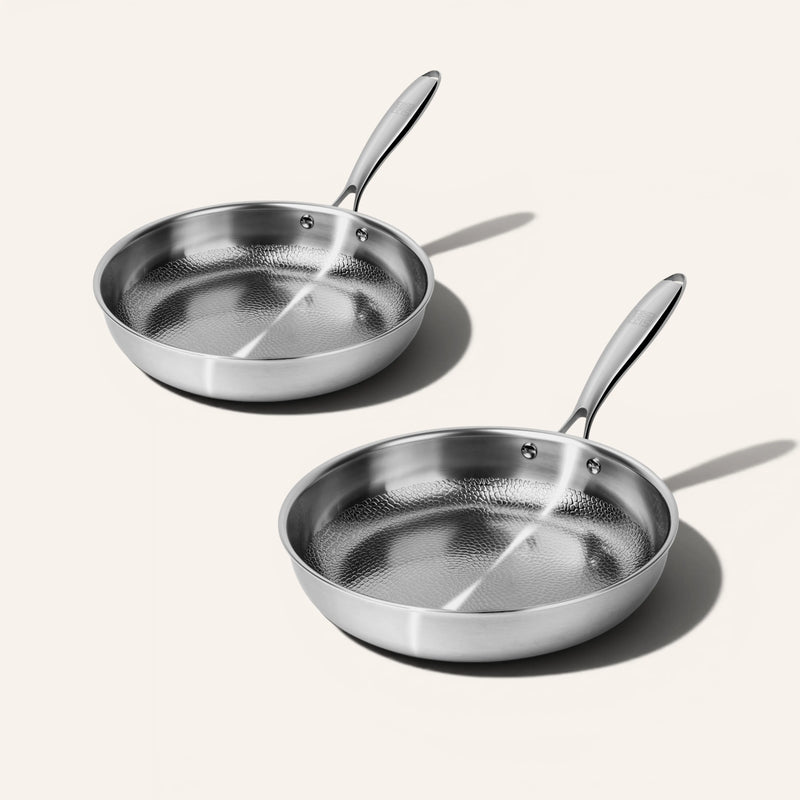
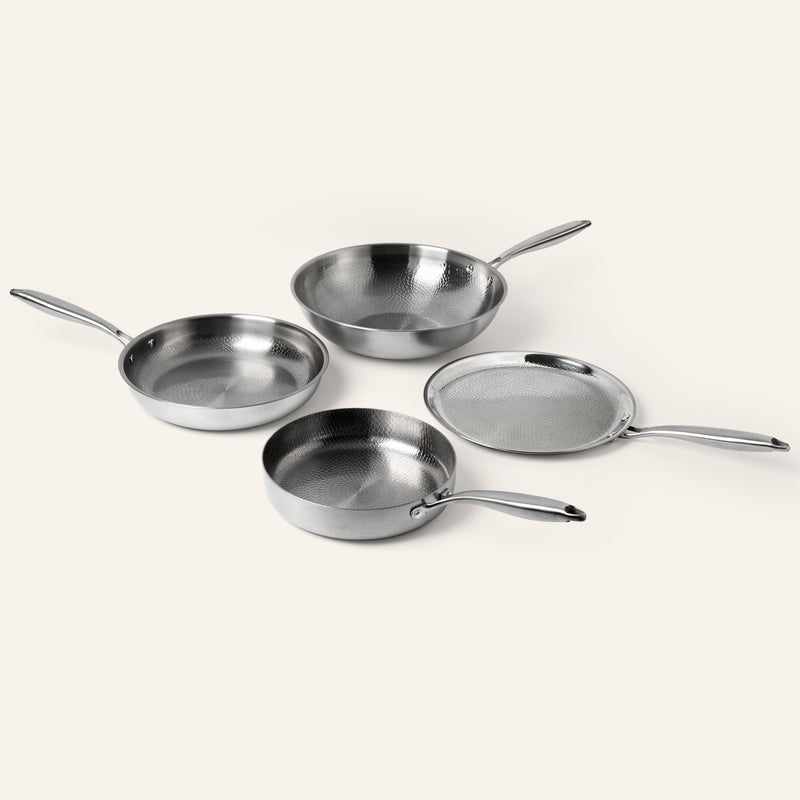
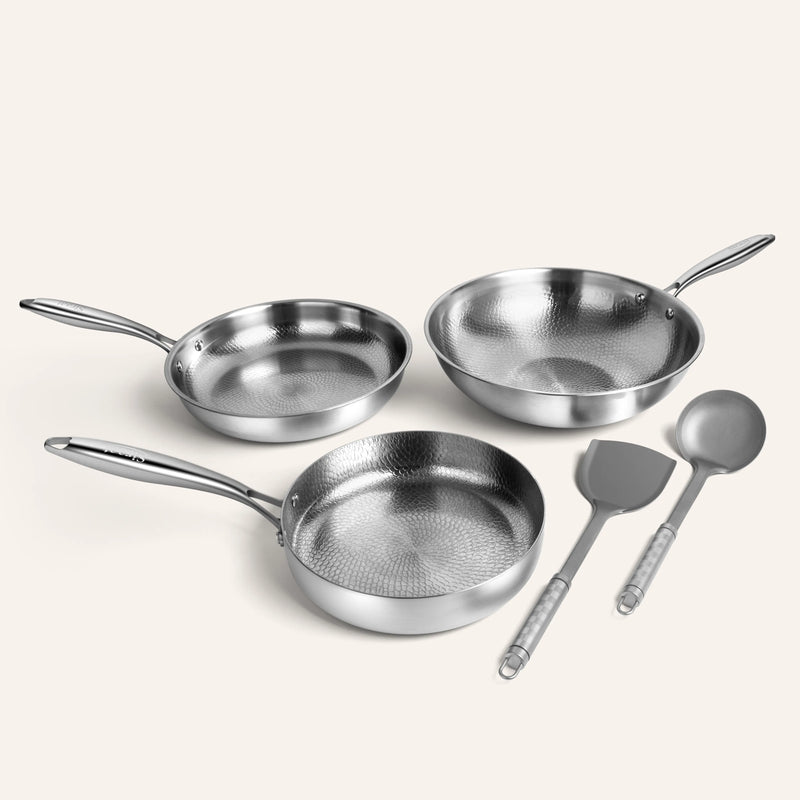
A good example is the Siraat's Kitchen Titanium Hammered Wok Pan Pro, which combines a pure hammered titanium cooking surface for naturally low-stick performance with a fully clad construction featuring an aluminum core for fast, even heat distribution and a stainless steel exterior for compatibility with all cooktops, including induction.
Conclusion: Is a Wok Worth It?
A quality wok is one of the most versatile pieces of cookware. From quick stir-fries and sautéed vegetables to deep frying, steaming, and braising, its unique shape makes it suitable for a wide range of cooking techniques that go far beyond Asian cuisine. When made from high-quality, non-toxic materials, a wok can become one of those kitchen essentials you'll reach for almost every day.
Choosing a well-made wok with durable materials, efficient heat distribution, and a design that's compatible with your cooktop can make everyday cooking easier and more enjoyable. Whether you're preparing a fast weeknight dinner or experimenting with new recipes, a high-quality wok is an investment you'll likely use again and again.