WAREHOUSE CLEARANCE 📦
 BUNDLES & SETS
 Padella martellata in titanio Pro Mini
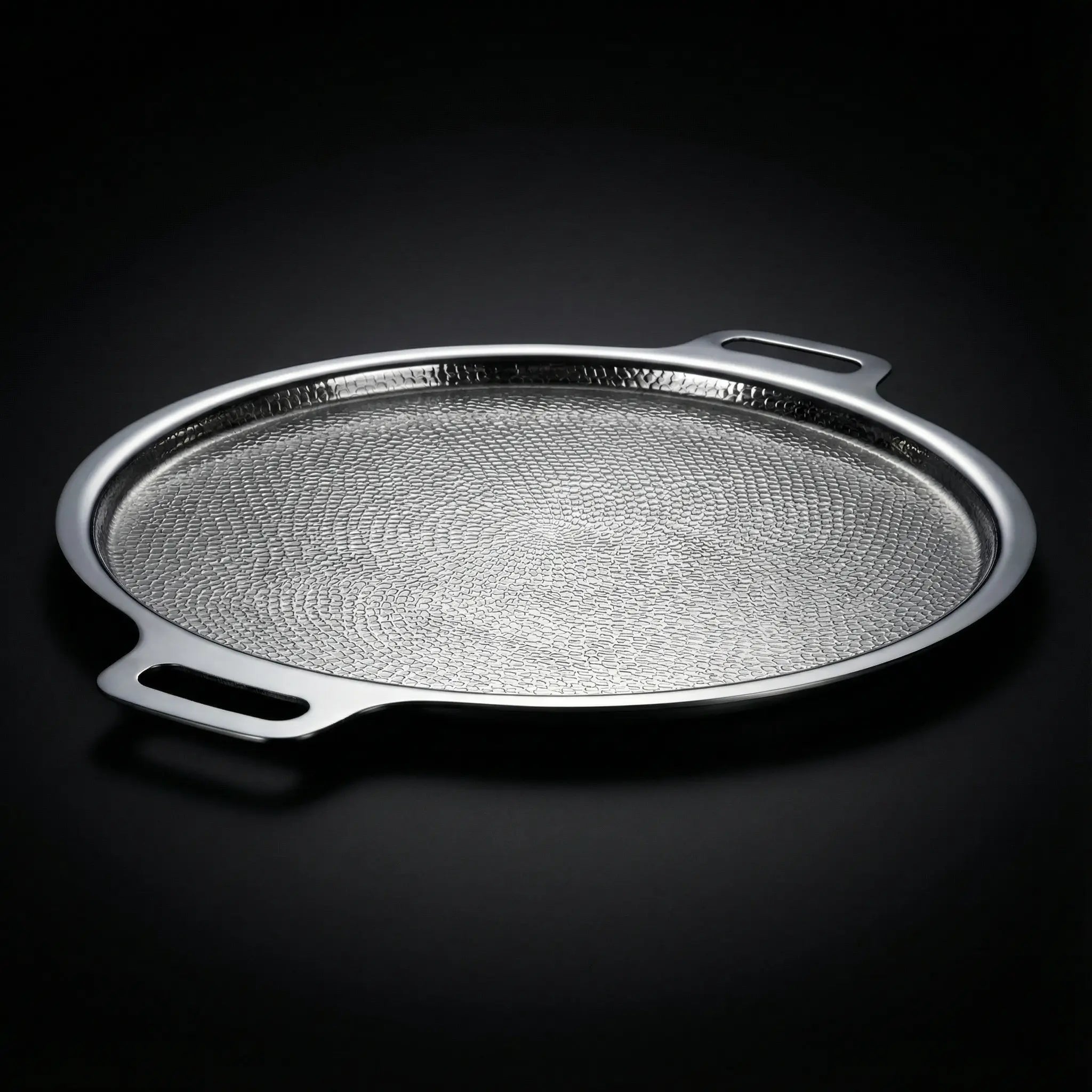
 Acciaio per pizza martellato al titanio
 Padella martellata in titanio Pro Standard
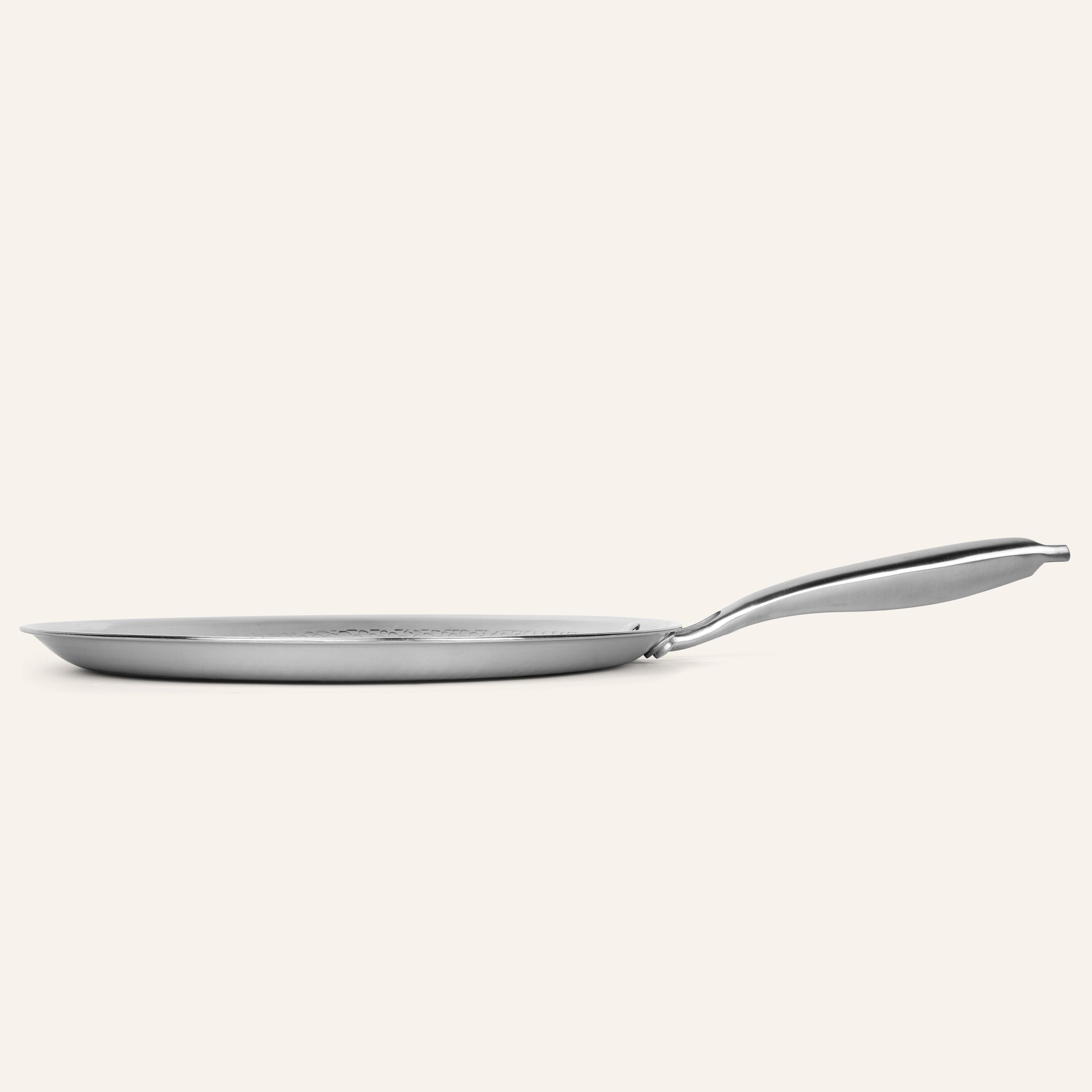
 Padella per crêpe martellata in titanio Pro
 Padella martellata in titanio Pro
 Padella Wok Martellata in Titanio Pro
 Padella martellata in titanio Pro
 Padella profonda martellata in titanio Pro
 Titanium Hammered Roasting Pan
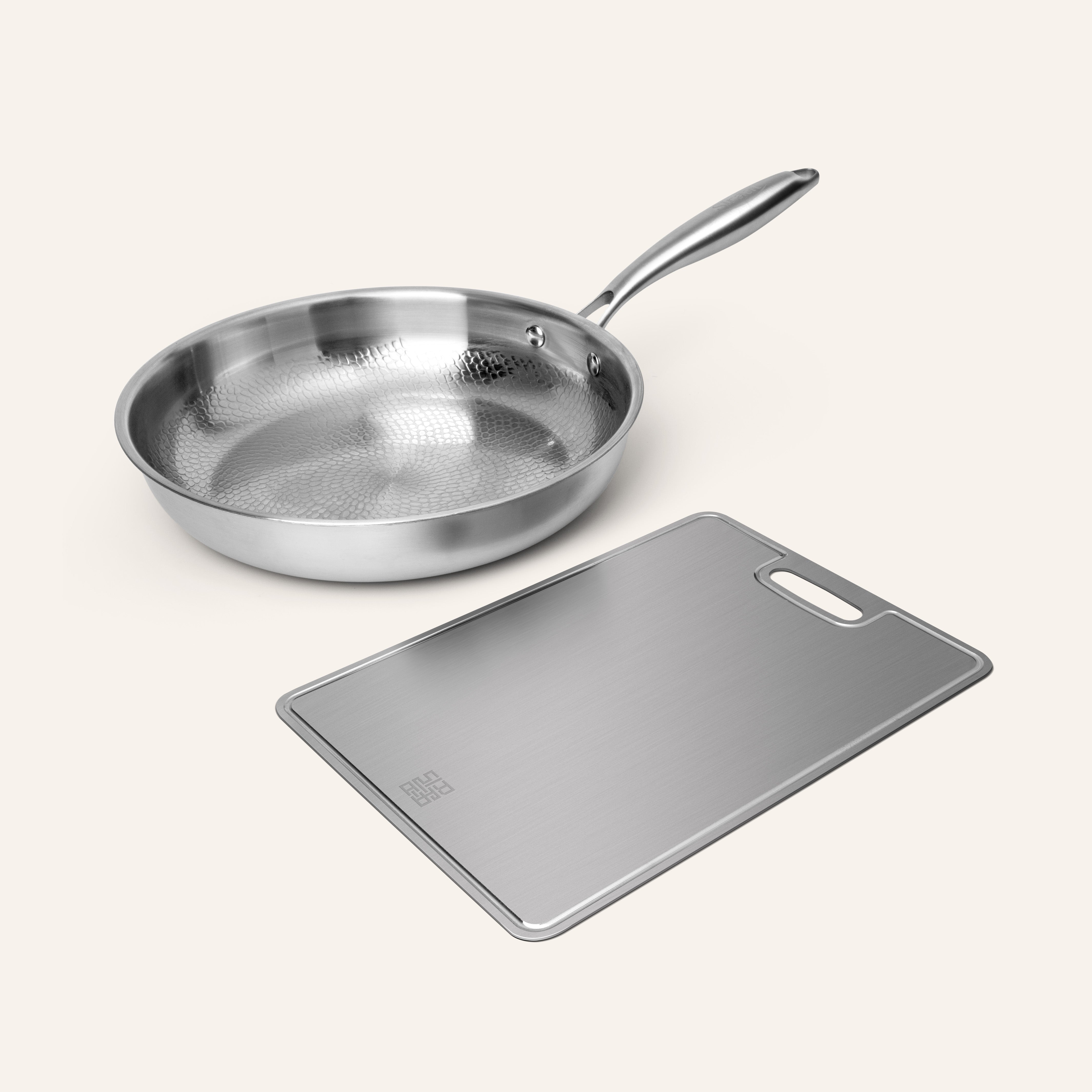
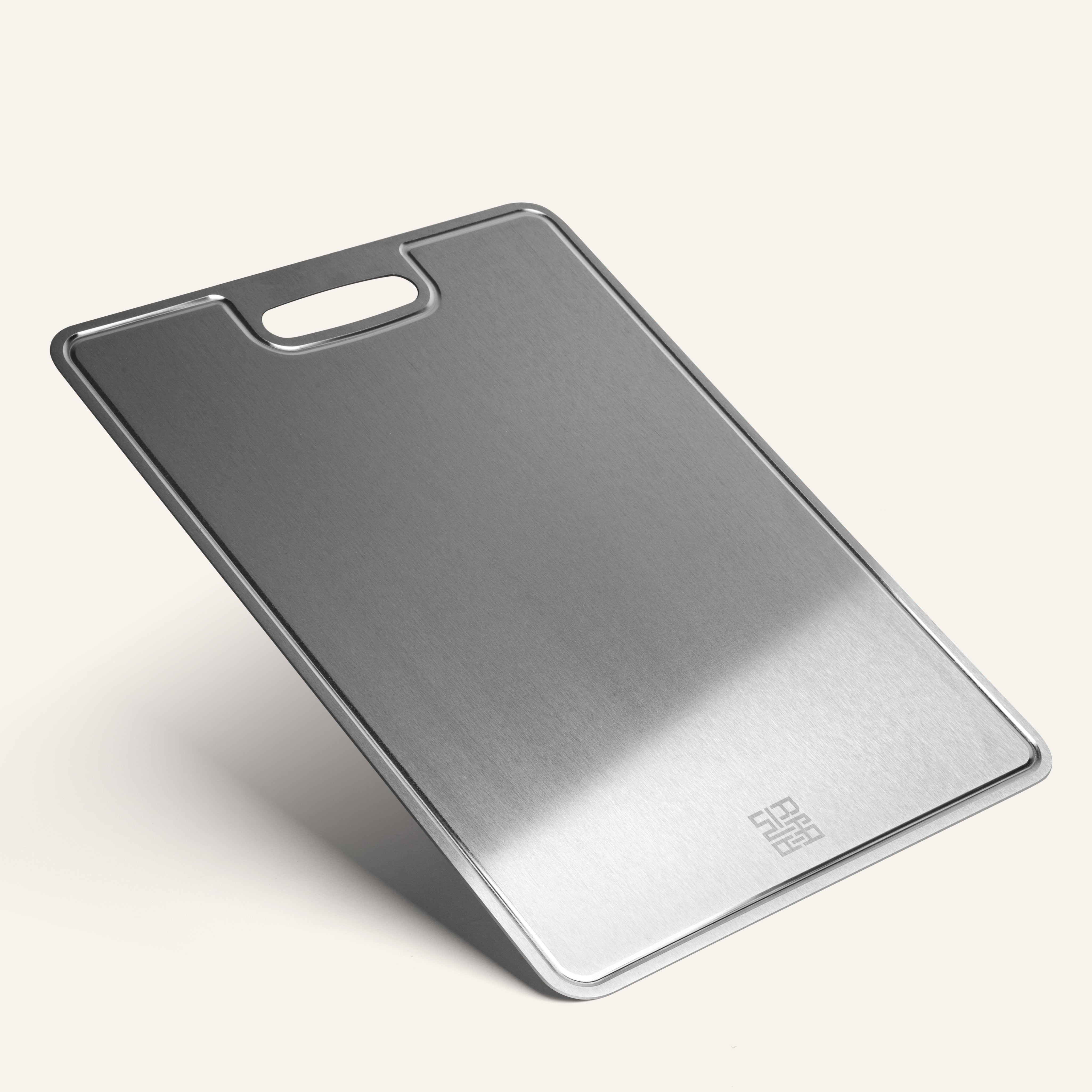
 Tagliere in titanio V2
 Pacchetto tagliere in titanio V2
 Siraat Signature Apron (Azure)
 Siraat Signature Apron (Oak)
 Siraat Signature Apron (Moss)
 Siraat Signature Apron (Ember)
 Salt & Pepper Mill Set
 Salt Mill
 Pepper Mill
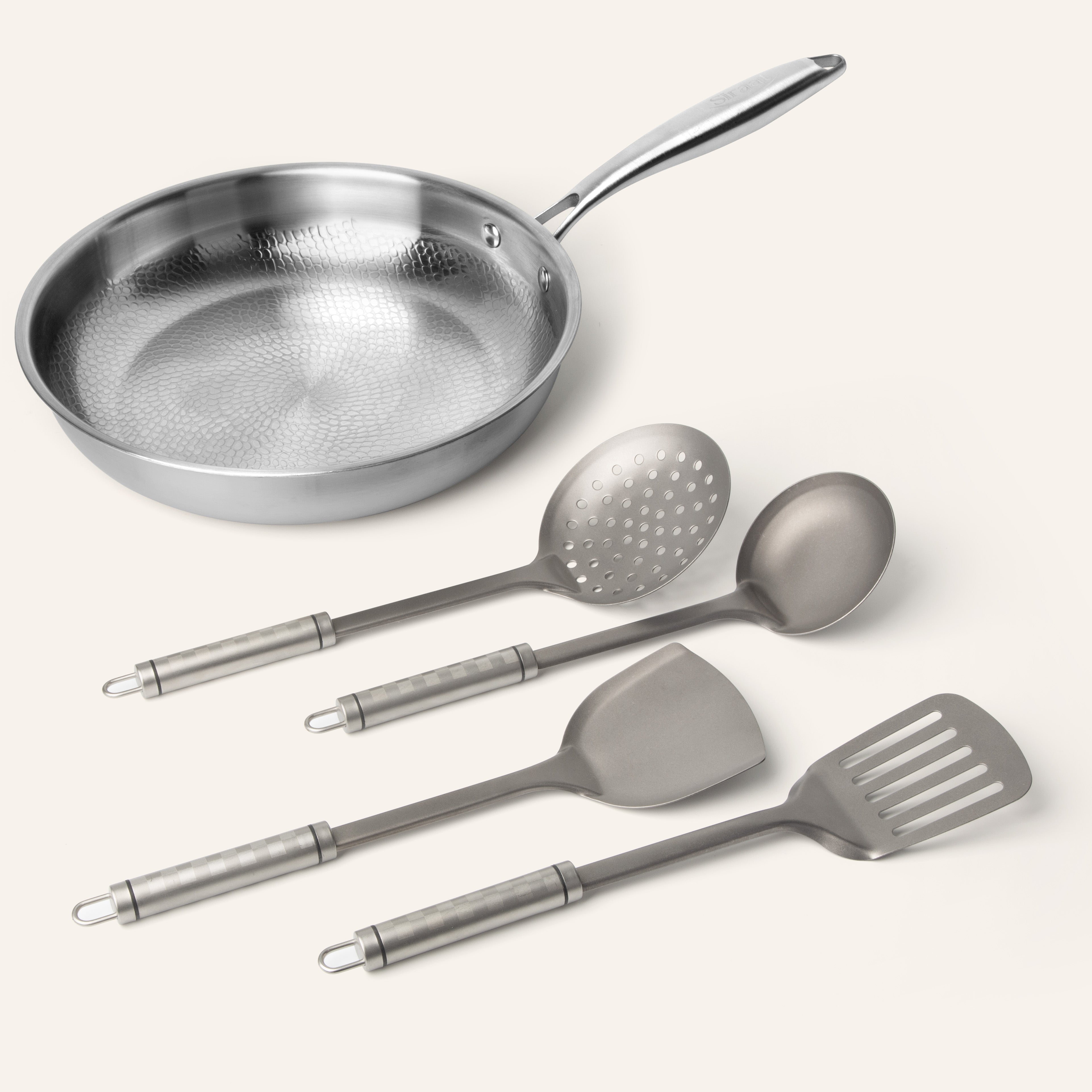
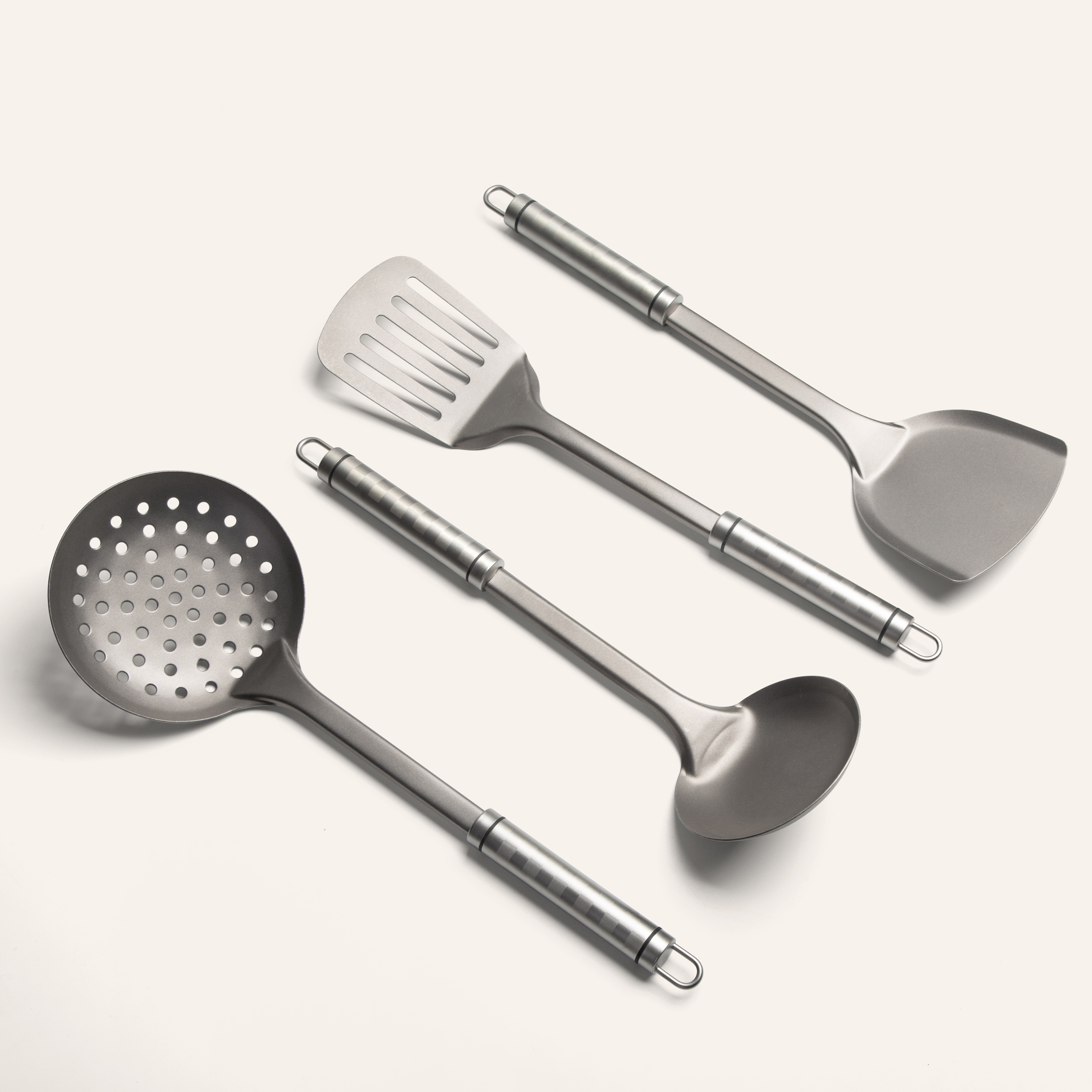
 Set di utensili in titanio
 Utensile in titanio
 Grill Press
 Pizza Wheel
 Affilacoltelli a rotazione
 Sottopentola in legno di ciliegio
 Coperchio per Titanium Hammered Pan Pro
 Mini sottopentola in legno di ciliegio
 Cubetti di ghiaccio in titanio
 Cannucce in titanio
 Tappetino antiscivolo per tagliere
 Tappetino di diatomite antracite
 Bottiglia d'acqua in titanio








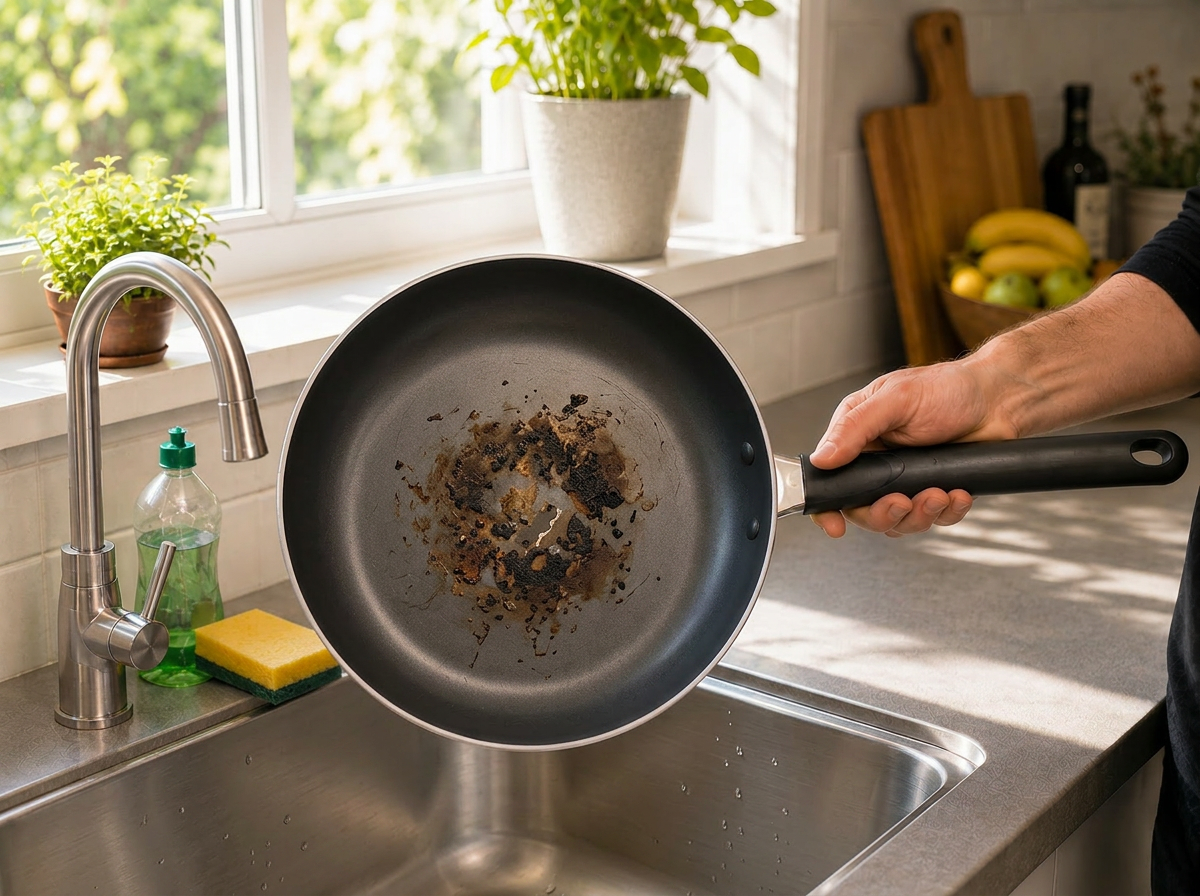
You can sometimes restore a non-stick pan, but it depends on what's causing the sticking. If the problem is built-up residue, burnt oil, or improper cooking techniques, cleaning and re-seasoning may help restore some of its performance.
However, if the non-stick coating is scratched, peeling, or worn away, it cannot be fully restored and replacing the pan is usually the better option. In this guide, we'll explain how to restore a non-stick pan, how to make a pan non-stick again when possible, and how to tell when it's time to replace it altogether.
Can You Actually Restore a Non-Stick Pan?
There is a difference between a non-stick pan that can be restored and one that is permanently damaged. Learn which one you have.
Temporary Loss of Non-Stick Performance
Not all sticking means your pan is ruined. Cooking oils, food residue, and high heat can leave behind a thin layer of buildup that interferes with the non-stick surface.
Common signs of temporary performance loss include:
-
Food sticking in certain spots
-
Uneven browning
-
A greasy or discolored cooking surface
-
Reduced food release despite no visible damage
If this sounds familiar, a deep clean and proper maintenance are usually enough to improve performance and extend the lifespan of the non-stick pan.
Permanent Non-Stick Coating Damage
A traditional non-stick pan generally lasts between 1 and 5 years, depending on the quality of the coating, frequency of use, and how well it’s maintained. Because traditional non-stick pans rely on a coating to prevent food from sticking, their performance gradually declines as that coating wears down.
Signs of permanent damage include:
-
Deep scratches on the cooking surface
-
Peeling, flaking, or chipping
-
Large areas where food consistently sticks
-
Visible wear that exposes the material underneath
Unfortunately, no cleaning method or seasoning process can restore a coating that has already deteriorated. If the surface is significantly damaged, replacing the pan is typically the safest and most effective solution.
How to Restore a Non-Stick Pan (Step-by-Step)
If your pan is sticking because of residue buildup rather than permanent coating damage, these steps may help restore some of its non-stick performance.
-
Deep Clean the Pan
Cooking oils can leave behind a thin layer of residue that makes food more likely to stick. Usually, regular washing can’t remove it. To deep clean the pan:
-
Fill it with warm water and a few drops of dish soap.
-
Let it soak for 15-30 minutes.
-
Wash with a soft sponge.
-
Rinse thoroughly and dry completely.
Avoid abrasive scrubbers, steel wool, or harsh cleaning products, as they can damage the non-stick coating.
-
Remove Burnt-On Residue
If the pan has stubborn stains or burnt-on grease, even deeper cleaning may be necessary. Mix 2-3 tablespoons of baking soda with enough water to form a thick paste. Apply the paste to the affected areas and gently rub it in using a soft sponge or cloth. Let it sit for 5-10 minutes before rinsing and washing the pan as usual. This can help remove residue that may be interfering with the non-stick surface.
-
Re-Season the Surface
While traditional non-stick pans don't require seasoning like cast iron, a light seasoning treatment can sometimes help improve food release. Apply a small amount of high smoke point oil (such as avocado oil, grapeseed oil, or refined sunflower oil) to the cooking surface and spread it into a thin, even layer. Heat the pan over low to medium heat for a few minutes, then allow it to cool completely before wiping away any excess oil. While this won't repair a damaged coating, it may improve food release on pans that are still structurally intact.
-
Adjust Your Cooking Technique
Even a well-maintained non-stick pan can struggle to perform at its best if it's used incorrectly. Excessively high heat, adding food too early, or using too little cooking fat can all contribute to sticking.
To get the best results:
-
Use low to medium heat whenever possible
-
Allow the pan to preheat before adding food
-
Use a small amount of oil or butter when appropriate
-
Avoid overheating an empty pan
These simple adjustments can often make a noticeable difference and help make a pan non-stick again.
What Not to Do When Restoring a Non-Stick Pan
If you're trying to restore a non-stick pan, some common habits can make the problem worse rather than better. In addition to using proper cooking techniques, it's also important to:
Avoid Abrasive Cleaning Tools
Steel wool, scouring pads, and abrasive cleaners may remove stains, but they can also scratch and wear down the non-stick coating. Stick to soft sponges, microfiber cloths, and non-abrasive cleaning products whenever possible.
Don't Cool a Hot Pan Too Quickly
Placing a hot pan under cold running water can cause thermal shock, which may lead to warping. Instead, allow the pan to cool naturally before washing it.
Be Careful with Metal Utensils
Many traditional non-stick coatings can be damaged by metal spatulas, spoons, and tongs. If your pan has a coated cooking surface, wooden, silicone, or nylon utensils are usually the safer choice.
Don't Stack Pans Without Protection
Stacking cookware directly on top of a non-stick surface can cause scratches, especially during everyday use and storage. If you need to stack pans, place a soft pan protector, cloth, or paper towel between them.
Don't Let Residue Build Up Over Time
Even if a pan looks clean, small amounts of oil and food residue can gradually accumulate on the cooking surface. Regular cleaning helps prevent buildup that may affect non-stick performance.
| Issue | Restore or Replace? |
|---|---|
| Oil and residue buildup | Restore |
| Burnt-on grease | Restore |
| Minor sticking | Restore |
| Deep scratches | Replace |
| Peeling or flaking coating | Replace |
| Warped pan | Replace |
When Should You Replace Your Non-Stick Pan?
If cleaning, re-seasoning, and proper maintenance no longer improve performance, it may be time to replace your non-stick pan. Deep scratches, peeling or flaking coating, persistent sticking, and warping are all signs that the pan has reached the end of its lifespan.
Traditional non-stick coatings naturally wear down over time and cannot be restored once they're damaged. When replacement becomes necessary, it may be a good idea to choose more durable alternatives that don't rely on a coating to create a low-stick cooking surface.
Is There a Longer-Lasting Alternative to Traditional Non-Stick Pans?
One of the biggest limitations of traditional non-stick cookware is that the coating eventually wears down. No matter how carefully a pan is used, its non-stick performance typically declines as the coating ages, becomes scratched, or starts to deteriorate.
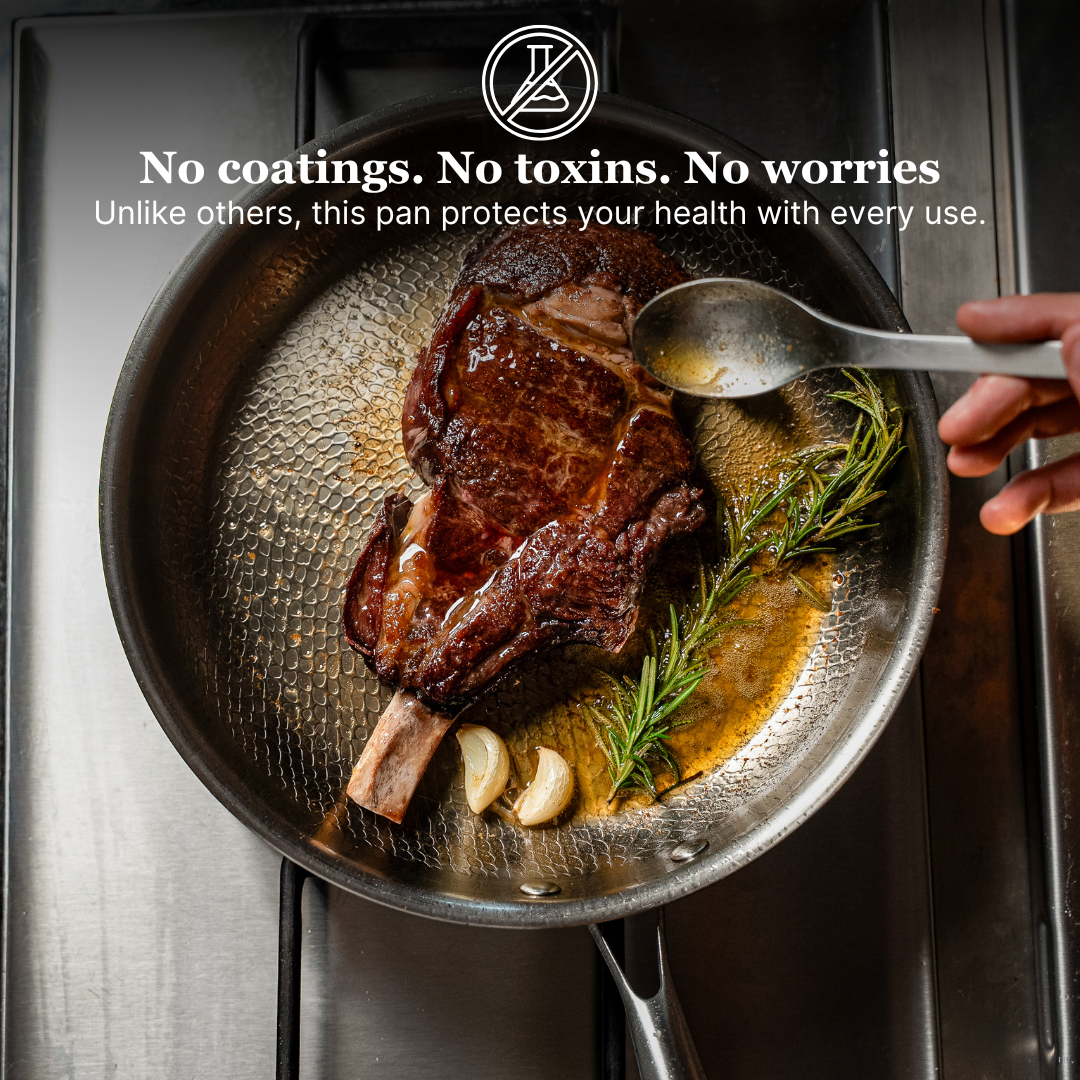
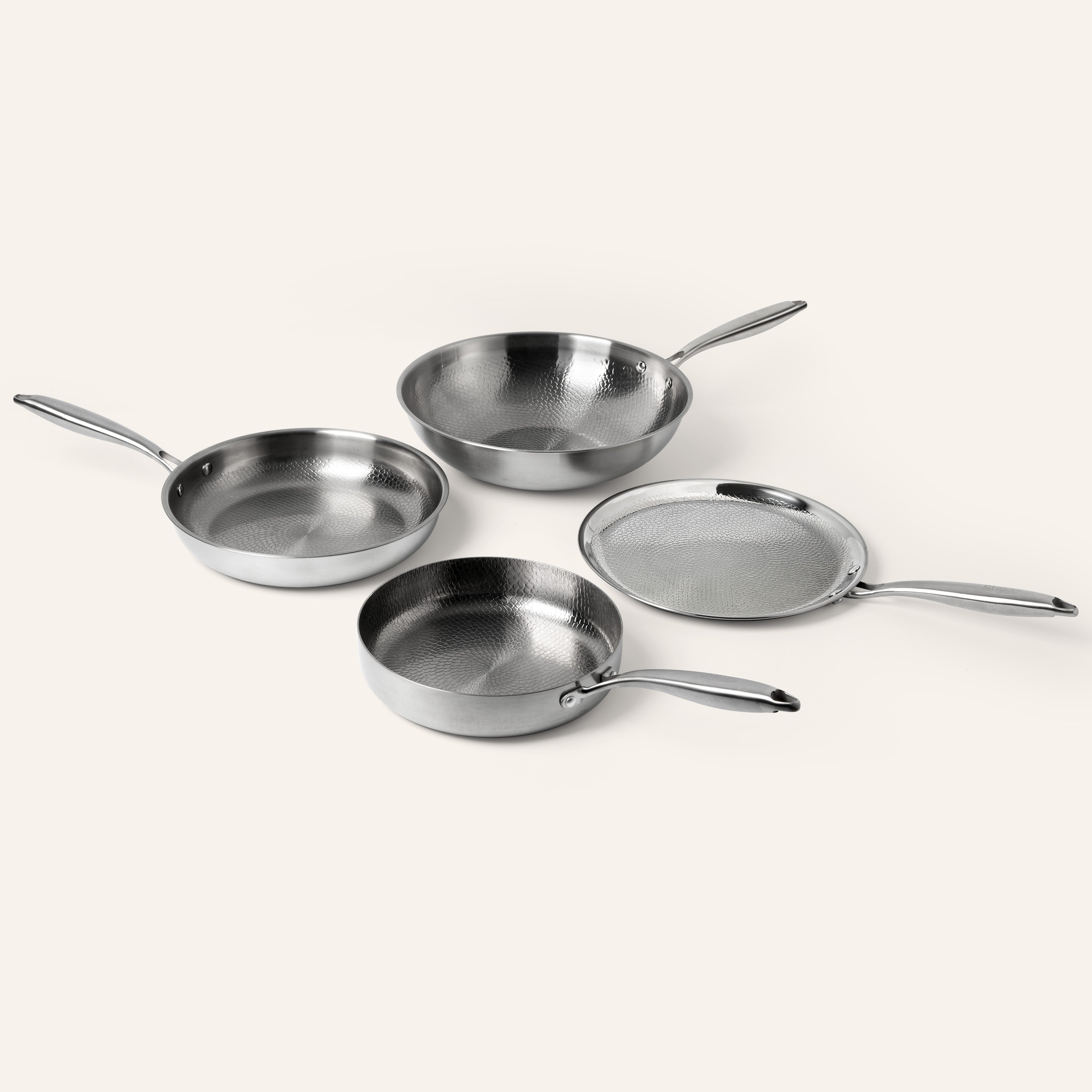
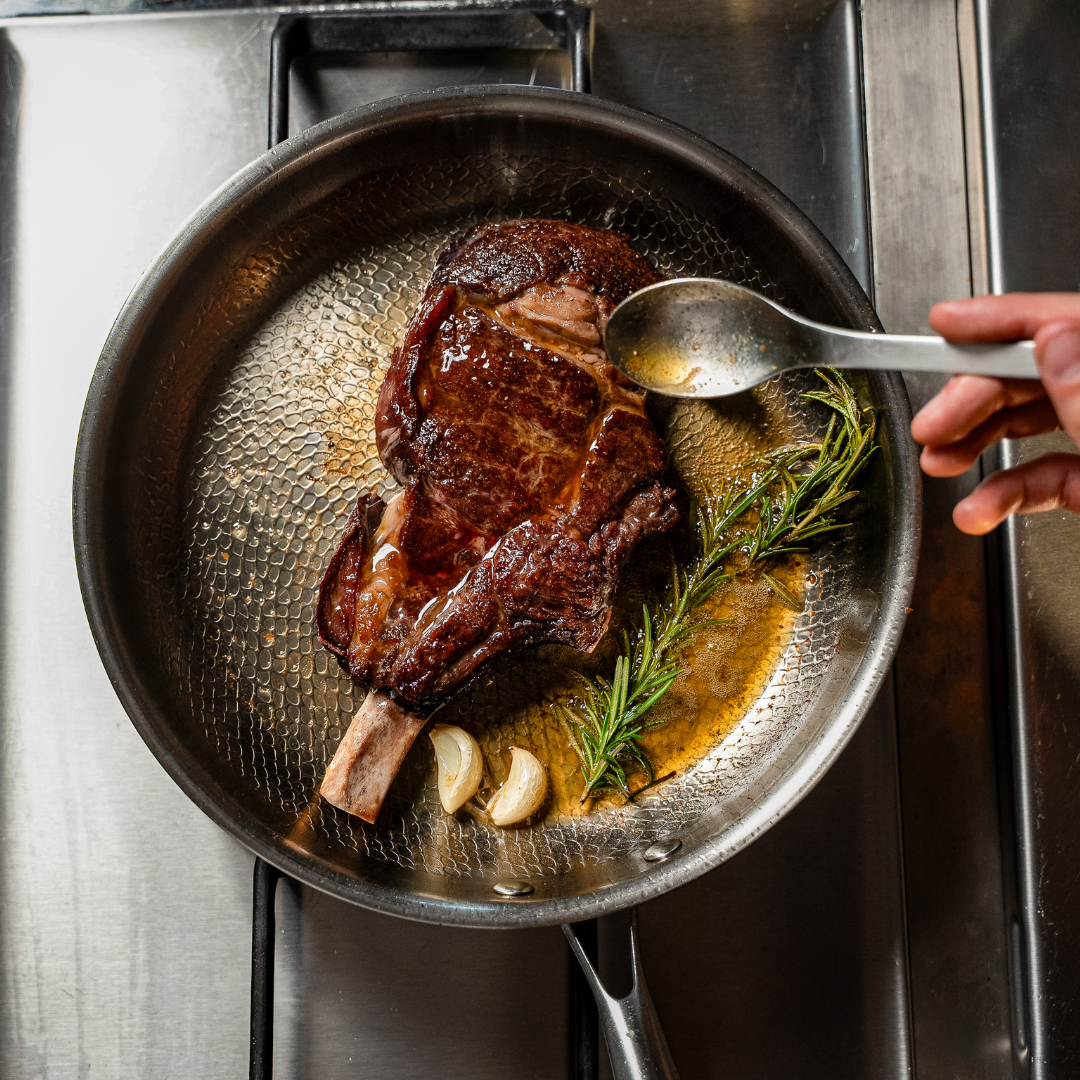
For cooks looking for a longer-lasting option, cookware that doesn't rely on a synthetic non-stick coating may be worth considering. For example, hammered titanium cookware creates a naturally low-stick cooking surface rather than a chemical coating. Because there's no coating to peel or wear away, it can maintain its performance for significantly longer while also being safe to use with metal utensils and high cooking temperatures.
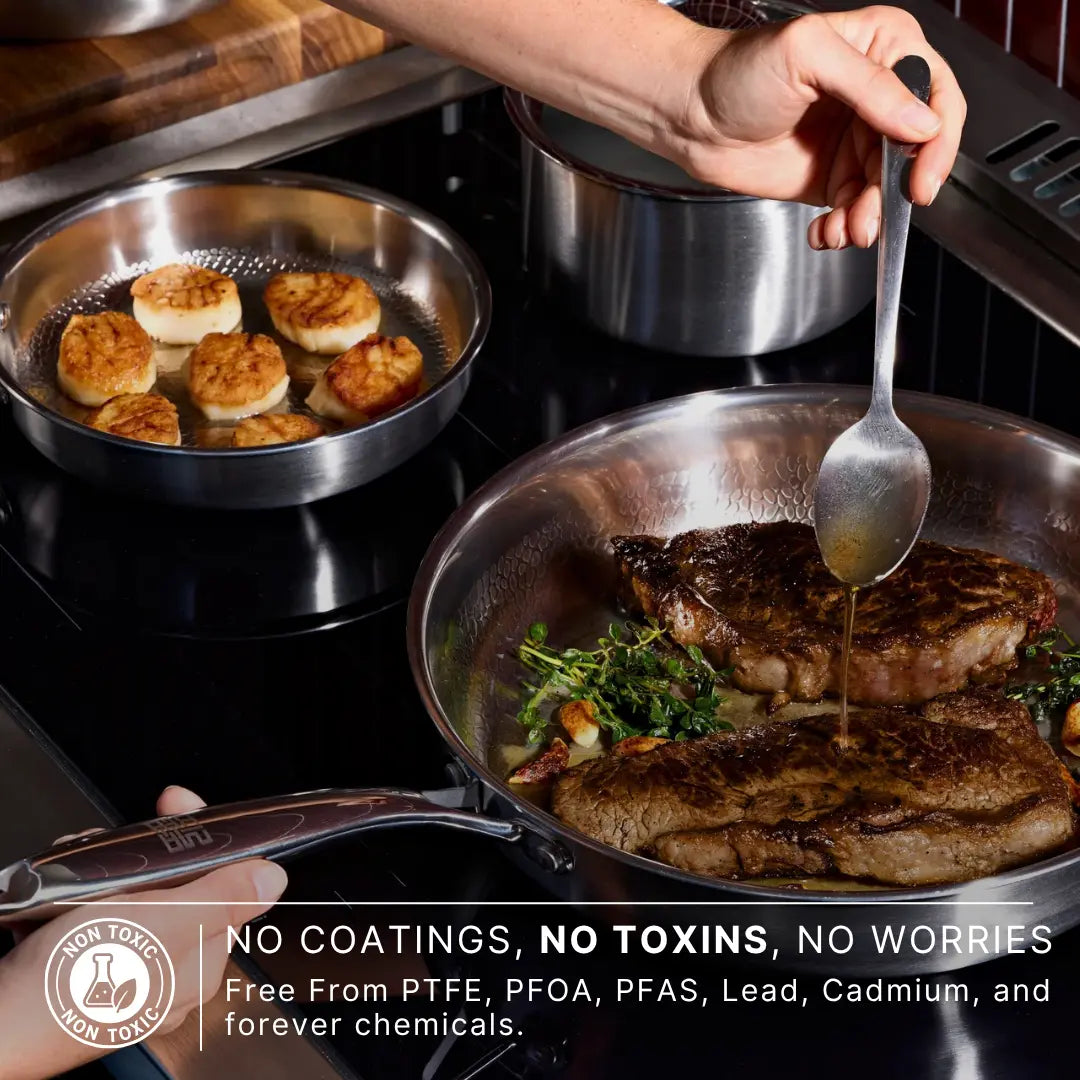
More and more home cooks also appreciate that titanium cookware is free from PFAS, PTFE, PFOA, and other chemicals commonly associated with traditional non-stick coatings. While no cookware is completely maintenance-free, choosing a durable, non-toxic alternative can help reduce many of the issues that eventually lead people to replace their cookware in the first place.

Our durable titanium cookware collection
Pure titanium cookware, toxin-free, ultra-light, and naturally non-stick. Designed for everyday use, built for a lifetime
Final Thoughts: Restore Your Non-Stick Pan – But Also Know When to Replace It
Not every sticking pan needs to be replaced. In many cases, a thorough cleaning and a few simple maintenance steps can help improve performance and extend the life of your cookware.
That said, traditional non-stick coatings don't last forever. Even with proper care, most non-stick pans eventually need to be replaced as the coating wears down over time. If replacing non-stick pans every few years sounds frustrating, cookware that doesn't rely on a synthetic coating may be worth considering.