



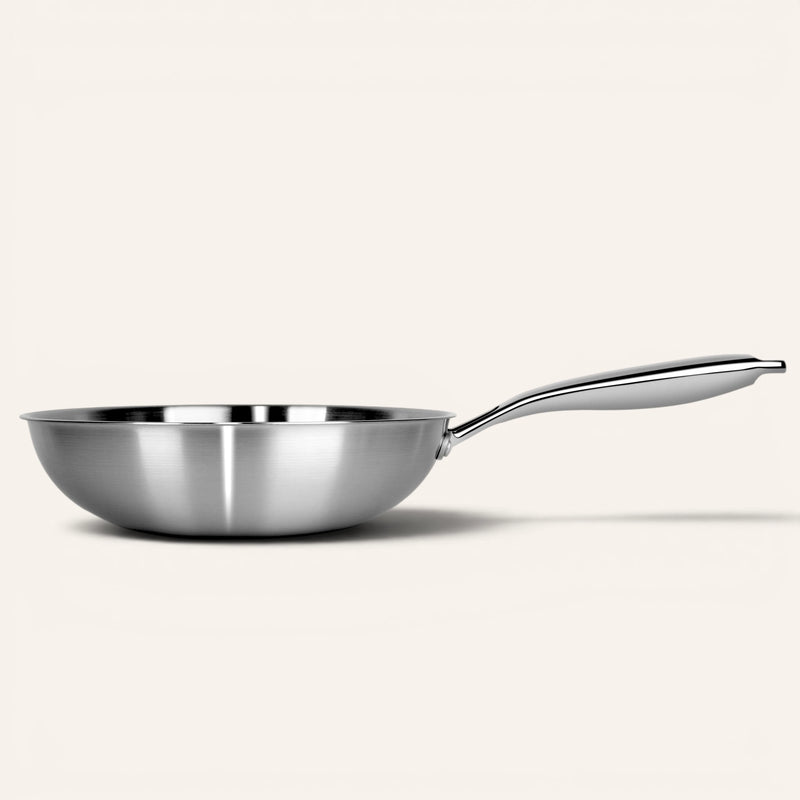

If your eggs are sticking to your non-stick pan, the problem usually comes down to heat, timing, fat, or a worn-out coating. Even high-quality non-stick pans can lose their performance over time, especially when exposed to high heat or improper care.
The truth is, “non-stick” doesn’t always mean your food will never stick, especially with delicate ingredients like eggs. Small mistakes like adding eggs to a cold pan, using too little fat, or cooking at the wrong temperature can quickly turn a simple breakfast into a frustrating mess. In this guide, you’ll learn exactly why eggs keep sticking to non-stick pans, how to fix it with a few simple adjustments, and what to look for if your current pan isn’t delivering the results you expect.
Why Are Eggs Sticking to Your Non-Stick Pan?
1. Your Coating Is Degraded or Low-Quality
Traditional non-stick pans rely on a coating to prevent food from sticking. Over time, that coating naturally breaks down, even if the pan looks perfectly fine on the surface. This wear can be microscopic, meaning you might not see scratches or damage, but the surface is no longer as smooth or effective as it once was. As a result, eggs (especially whites) start to stick onto the pan instead of releasing cleanly.
Lower-quality pans tend to lose their non-stick performance even faster, sometimes within months of regular use. If your eggs keep sticking to a non-stick pan despite using the right technique, the coating itself may already be damaged. In addition to the poor non-stick performance, a degraded coating may pose a health risk, as microscopic particles or “forever chemicals” can begin to flake off and leach into your food.
2. You’re Cooking at the Wrong Temperature
Temperature plays a big role when it comes to eggs sticking to a non-stick pan. Too much heat causes the eggs to bond quickly with the surface of the pan, leading to sticking almost immediately.
On the other hand, cooking at too low a temperature can also be an issue. The eggs don’t set properly, which makes them more likely to cling to the surface instead of naturally releasing. The sweet spot is usually medium to medium-low heat. This allows the eggs to cook gently and evenly, giving them time to set before you try to move them.
3. The Pan Wasn't Preheated Properly
One of the most common mistakes is adding eggs to a cold pan, or dropping cold eggs straight from the fridge onto a barely warmed surface. This creates a temperature shock that makes the eggs stick almost instantly. A properly preheated pan creates a thin layer of steam between the egg and the surface, helping it lift instead of bond.
Preheating your pan for a minute or two before adding fat and letting your eggs sit at room temperature briefly can make a noticeable difference in how easily they release. For professional-grade pans like titanium or stainless steel, you can use the water droplet test: if a drop of water sizzles and moves across the surface, it’s at the perfect temperature. If you are using a traditional non-stick pan, be careful not to overheat it. Simply look for the oil to shimmer as soon as it hits the surface. This means the pan is hot enough to cook eggs properly without reaching excessively high temperatures.
4. There’s a Build-up of Residue and Burnt Fats
Over time, layers of burnt oil and food residue can accumulate on the surface of a non-stick pan, which is a process known as carbonization. This often happens when a pan isn’t cleaned thoroughly or is frequently used over high heat.
This thin, often invisible layer makes it harder for eggs to slide freely. Instead of interacting with the smooth cooking surface, your food is sticking to that residue. Ironically, because traditional non-stick coatings are so fragile, many people avoid scrubbing them thoroughly to protect the surface, which only allows the buildup to grow. This is why highly durable and easy to maintain cookware materials are becoming increasingly popular.
5. You’re Using the Wrong Type (or Amount) of Fat
There’s a common misconception that you don’t need any fat when using a non-stick pan. In reality, a small amount of fat helps create a barrier that prevents sticking and improves texture. But using too little or adding it at the wrong time can lead to eggs sticking, even on a good pan.
Butter tends to work especially well for eggs thanks to its water content and proteins, which help with both release and flavor. Oils can work too, but they need to be used correctly and at the right temperature.
Aerosol cooking sprays, in particular, are a common culprit. These sprays often contain soy lecithin and other additives that can bake onto the surface of a pan at relatively low temperatures, creating a gummy, yellow residue that is notoriously difficult to remove.
For the best results with eggs, stick to natural fats like butter, ghee, or high-quality oils with an appropriate smoke point, and add them once the pan is preheated. These provide a clean, lubricating layer that helps the egg glide without leaving behind a sticky film that ruins your pan’s performance over time. A well-heated pan with properly added fat is often the difference between eggs that glide and eggs that stick.

How to Keep Eggs from Sticking to Your Non-Stick Pan
Use the Right Temperature and Preheat Properly
Give your pan time to heat before adding anything to it. A properly preheated surface helps create the conditions needed for eggs to release naturally. Set your heat to medium or medium-low and let the pan warm up gradually for a minute or two. Then add your fat and allow it to heat briefly before adding the eggs.
If the pan is too hot, the eggs will stick. If it’s not hot enough, they won’t set properly. Getting this balance right is one of the biggest differences between eggs that stick and eggs that slide. A good rule of thumb is to wait until your butter or oil is shimmering and moves easily across the pan. That’s your sign that it’s hot enough to keep the eggs from sticking, but not so hot that it will burn them.
Add Fat at the Right Time
Adding fat too early or too late can affect how well your eggs release. For best results, add butter or oil once the pan is already warm (but not too hot), not while it’s still cold. This helps the fat spread evenly and form a thin, consistent barrier across the surface.
Butter is especially forgiving for eggs, while oils work best when used in small amounts and heated just enough to become fluid and glossy. You don’t need to fry the eggs in fat. A light and even coat is all it takes to keep the eggs from making direct contact with the pan surface.
Let the Eggs Cook Before Moving Them
When eggs first touch the pan, they naturally stick for a brief moment as they begin to set. As they cook, they release on their own. If you try to lift or flip them too early, you’re forcing them off the surface before they’re ready.
Give them a little time. Once the edges start to firm up and the bottom sets, they’ll slide much more easily with minimal effort. A good trick is to gently shake the pan: if the egg stays glued in place, it’s not ready. Wait until the whites are no longer watery and the edges look firm and slightly curled. Once the bottom is fully set, the egg will glide across the surface with just a slight tilt of the pan.
Use the Right Tools to Protect the Surface
Even the highest-quality pan performs best when its surface is treated with care. While some pans, like the ones made from titanium or stainless steel, are designed to be metal-utensil safe, the same can’t be said for traditional non-stick coated cookware.
On fragile non-stick surfaces, metal tools and abrasive sponges can create scratches that eventually cause eggs to stick. If you’re using a standard coated pan, it’s best to stick to silicone or wood to extend its life. However, if you’ve upgraded to a titanium surface, you have the freedom to use metal tools without fear of peeling or toxins.
Clean Your Pan Gently and Regularly
A clean surface performs better. While it might seem like you’re protecting the pan by avoiding thorough cleaning, consistent cleaning is what actually prevents the buildup of carbonized oil that leads to sticking.
After cooking, allow the pan to cool slightly before washing it with warm water and mild soap. This helps remove residual fats before they have a chance to harden. For standard non-stick pans with coatings, avoid harsh scrubbing or abrasive cleaners and stick to hand-washing to preserve the surface.

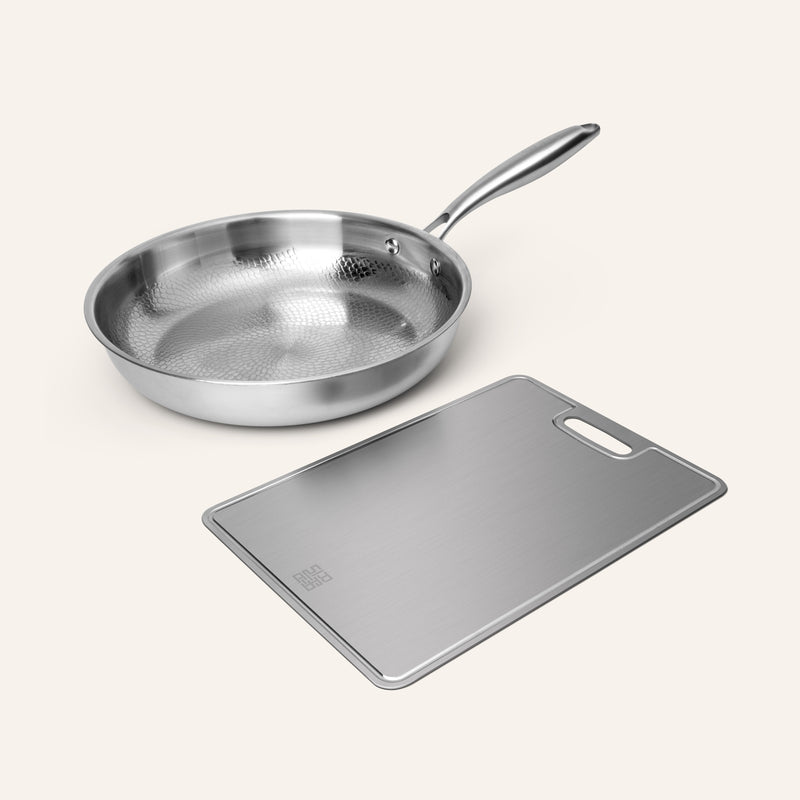
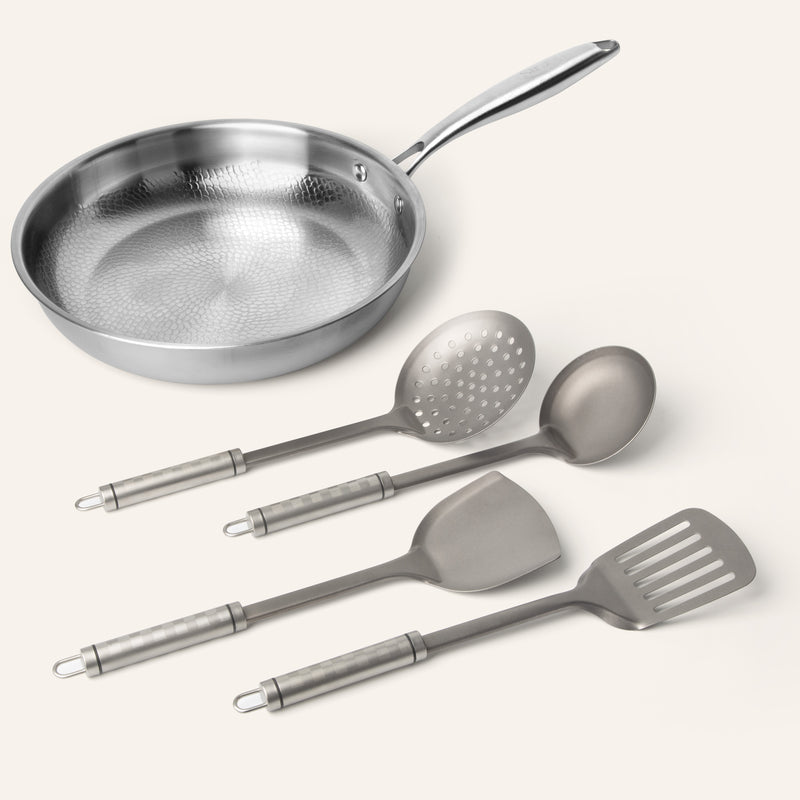
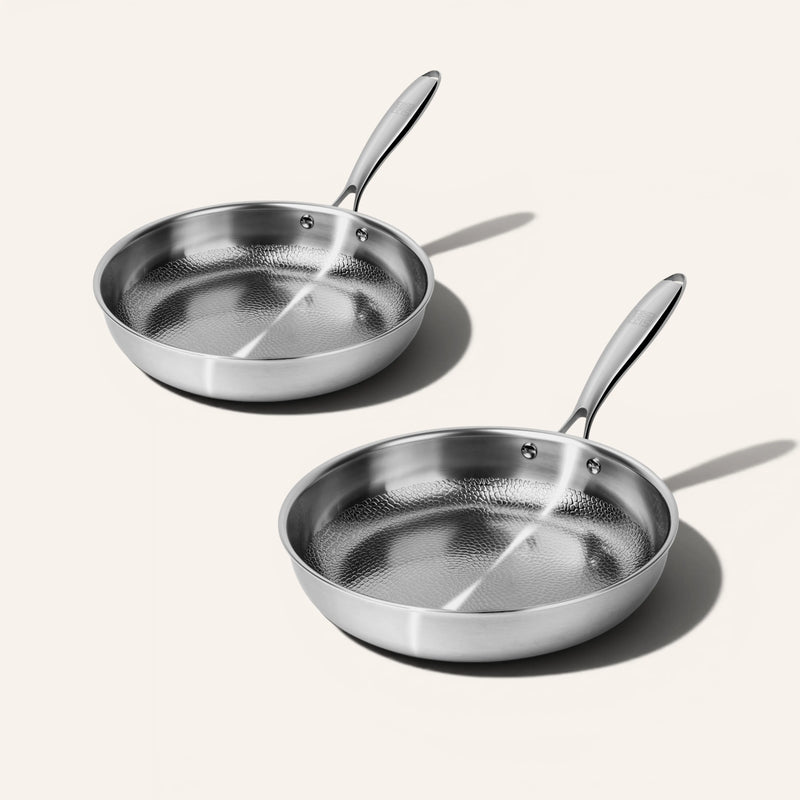
Titanium Hammered Pan Pro Large
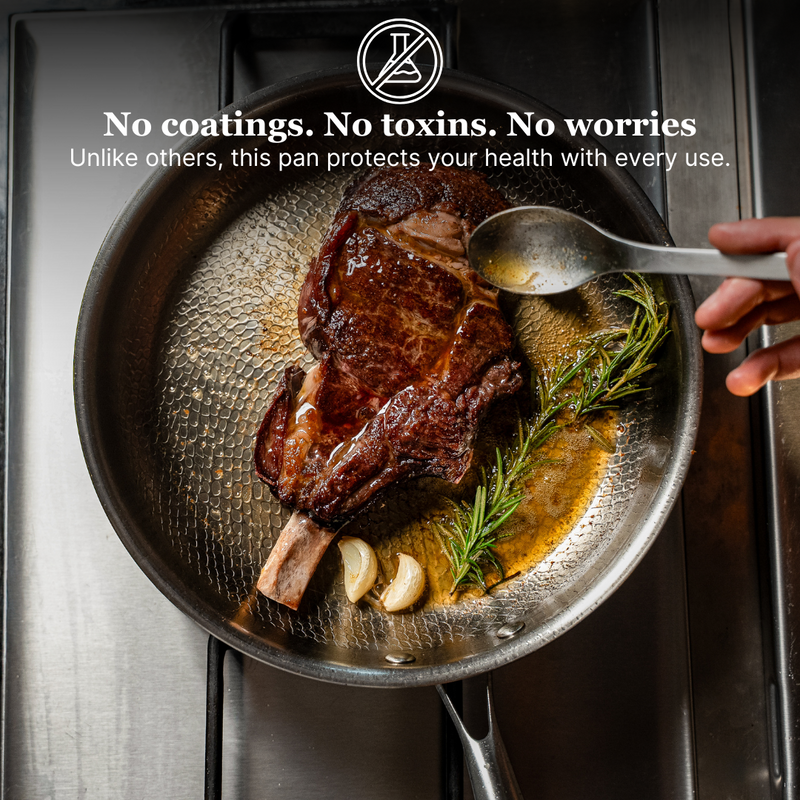
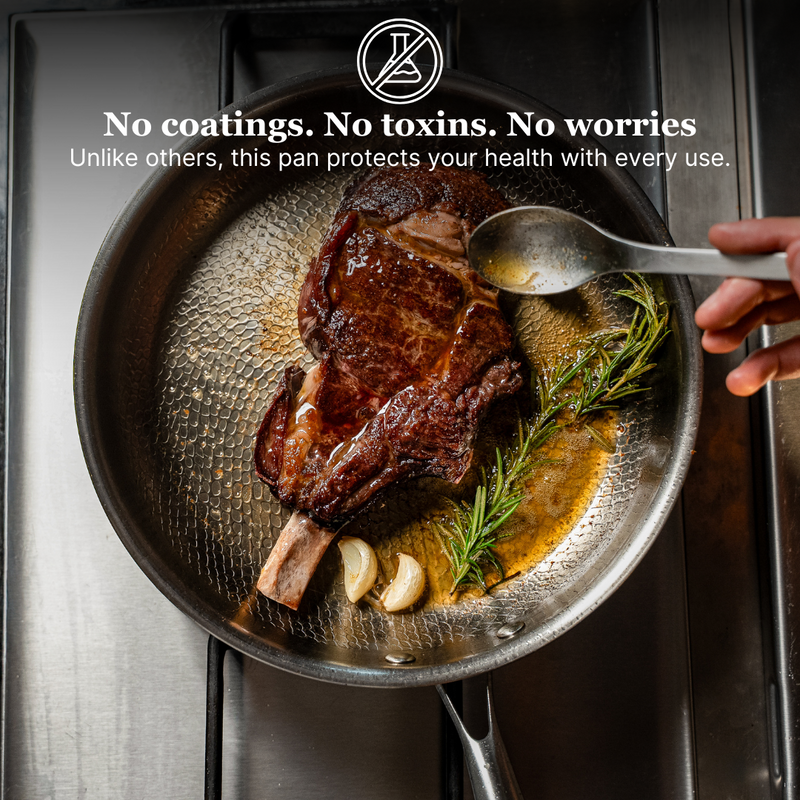
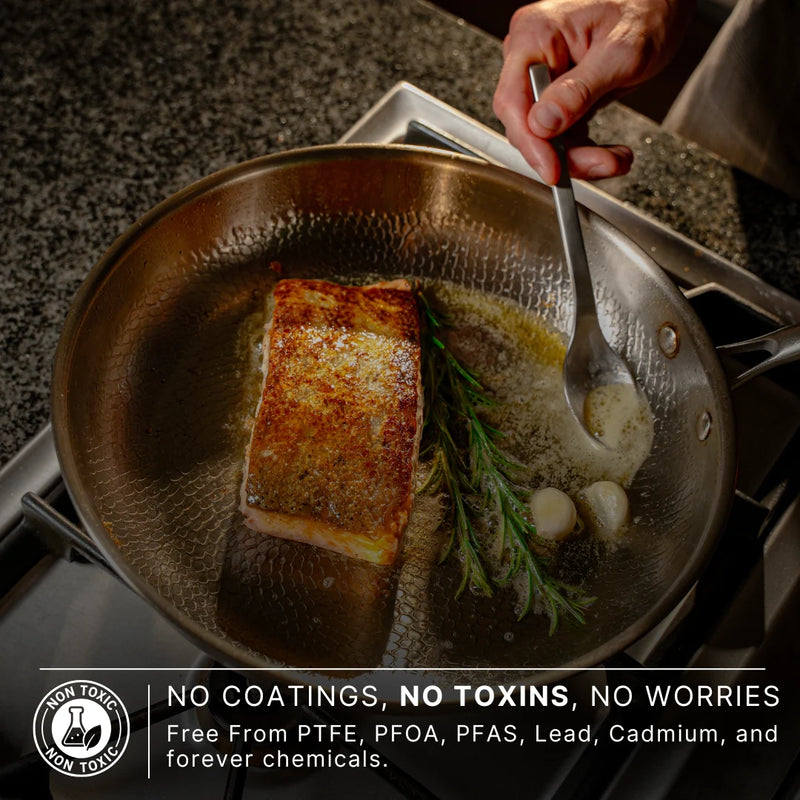
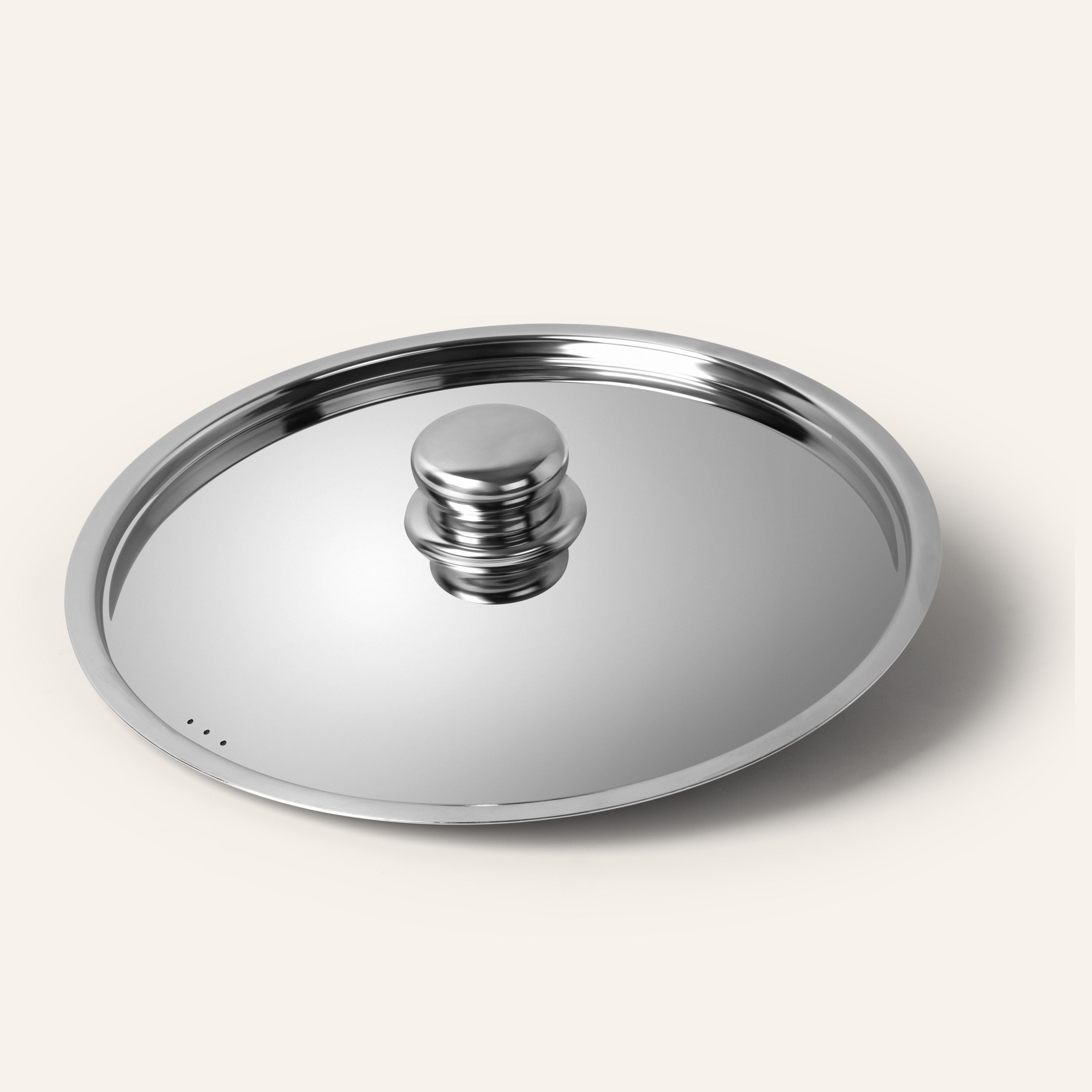
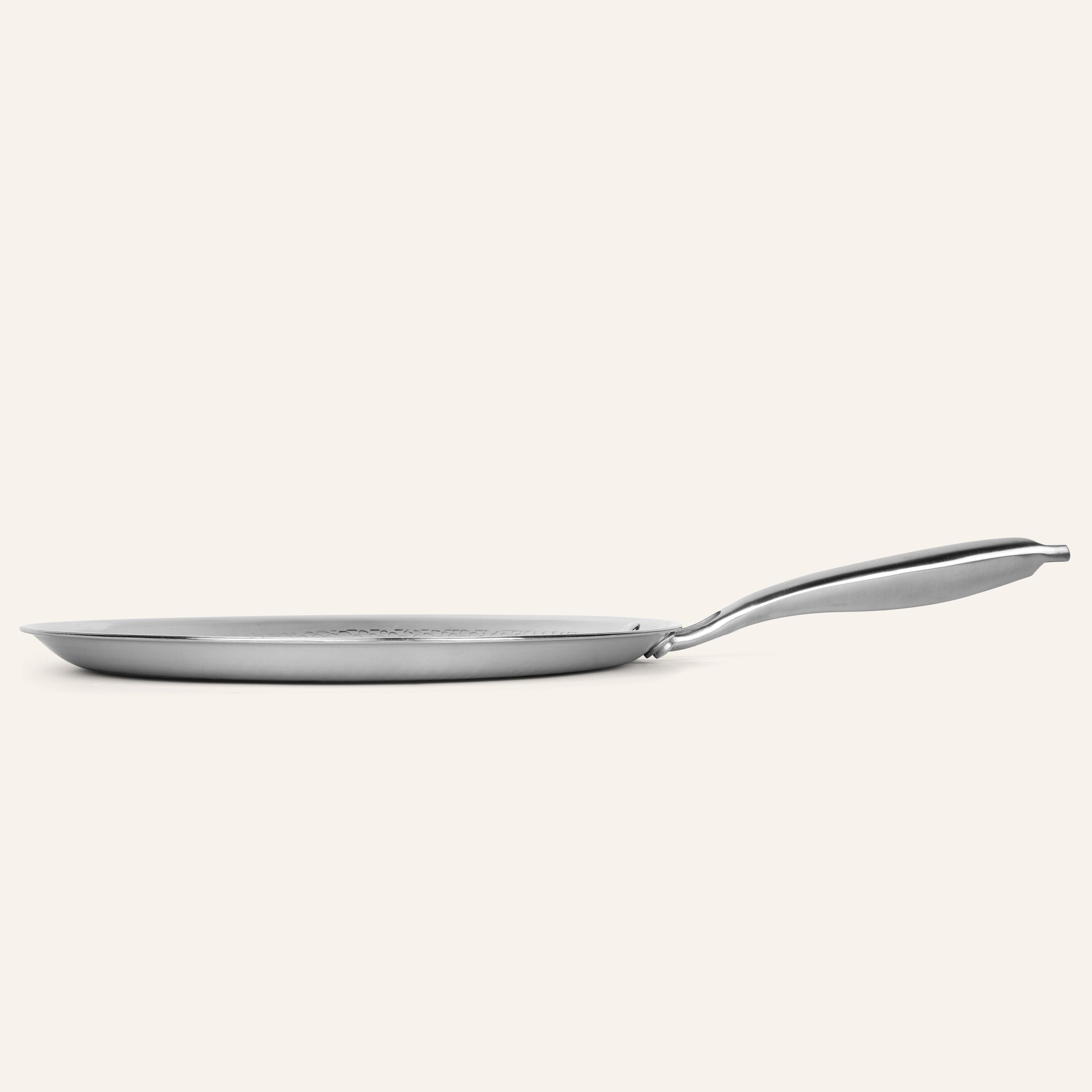
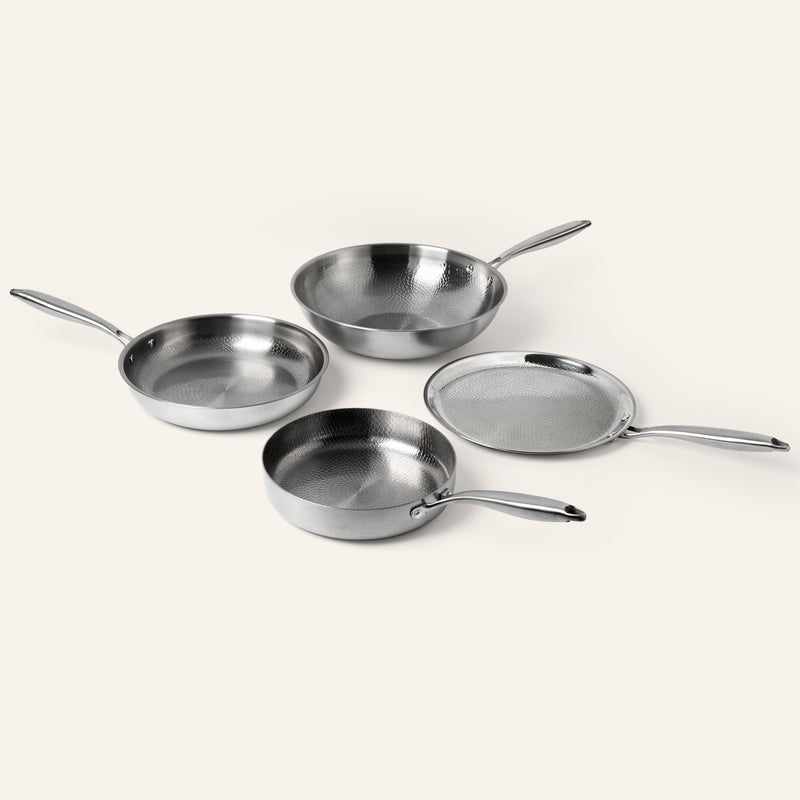
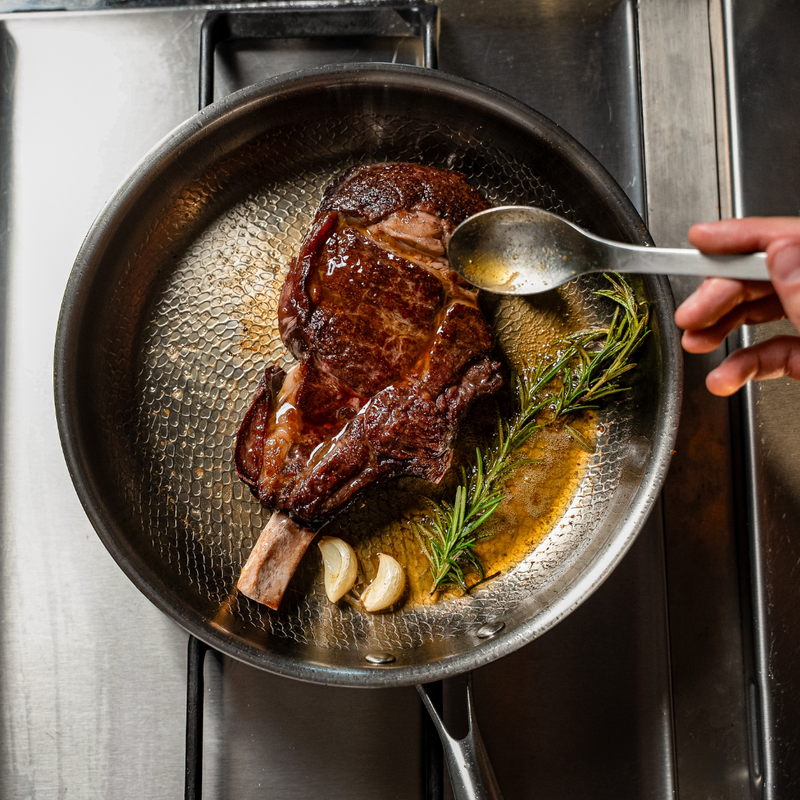
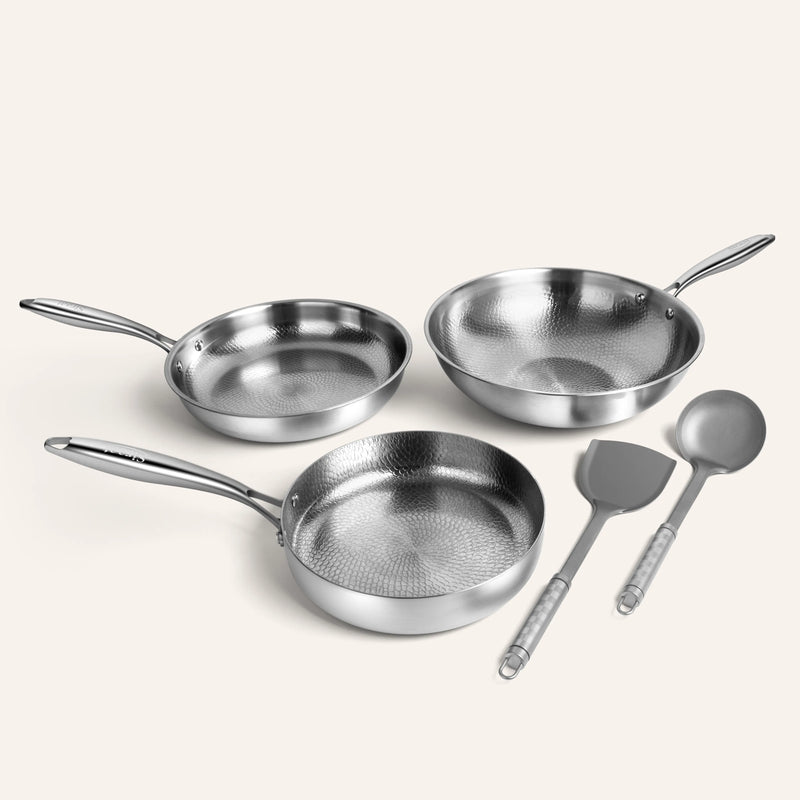
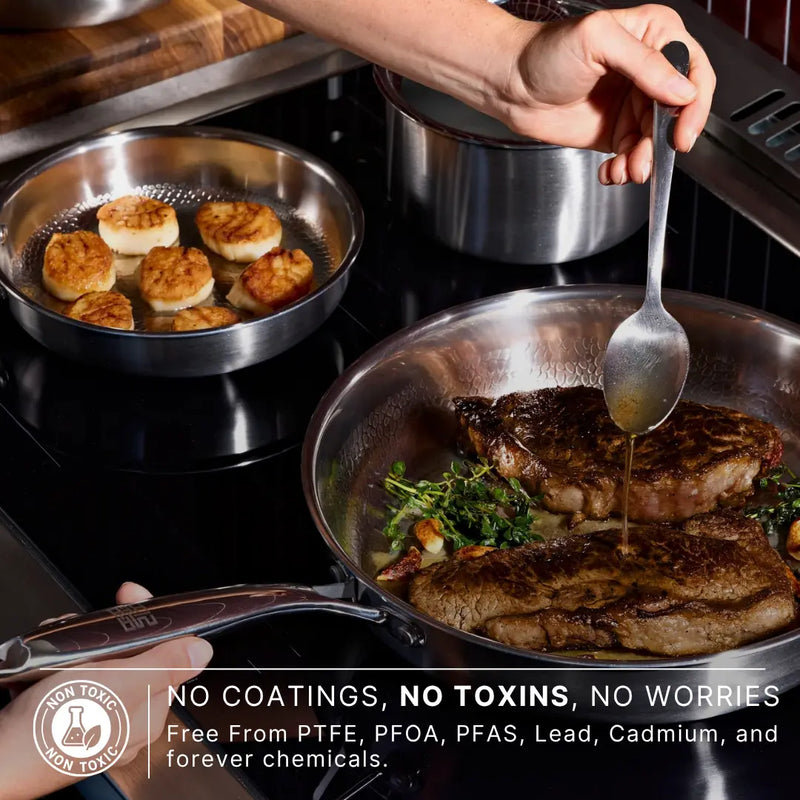
Discover the ultimate in cooking innovation with the Titanium Hammered Pan Pro, now featuring a unique hammered pattern. This design isn’t just for aesthetics—the hammered surface creates micro-gaps that reduce direct food contact, preventing sticking while enhancing oil distribution for even cooking. Why Choose the Titanium Hammered Pan Pro? Innovative Hammered Texture: Creates a natural non-stick effect by minimizing surface contact and optimizing heat distribution. 100% Pure Titanium Surface: Scientifically proven to retain more nutrients for healthier, more flavorful meals. Naturally Non-Stick & Toxin-Free: No harmful coatings, ensuring a safe and eco-friendly cooking experience. Ultra-Durable & Scratch-Resistant: Resistant to wear, rust, and scratches, providing a lifetime of reliable use. Quick & Even Heat Distribution: Heats rapidly and evenly, reducing cooking time and energy consumption. Versatile Compatibility: Works seamlessly with all cooktops, including gas, induction, and electric. Designed for Every Kitchen With its spacious interior, the Titanium Hammered Pan Pro is perfect for family meals or batch cooking. It effortlessly accommodates multiple steaks, large portions, or complex recipes, delivering consistently delicious results. Whether you’re searing, frying, or roasting, this pan combines functionality with elegance, making it a must-have in any kitchen. Upgrade your cooking experience today with the Titanium Hammered Pan Pro—where innovative design meets unparalleled performance.
What Is the Best Non-Stick Pan for Eggs?
If your technique is top-notch and your eggs are still sticking, it may be time to look beyond how you cook and focus on what you’re cooking with instead. Not all non-stick pans perform the same, and more importantly, they don’t maintain that performance for long.
Most non-stick cookware relies on a synthetic coating to create that smooth surface. While this works well at first, the performance is temporary by design. With regular use, heat exposure, and cleaning, the coating gradually wears down. Over time, what was once a slick surface becomes less reliable, and sticking becomes frequent. This is why many people find themselves replacing pans every few years.
If you’re looking for the best non-stick pan for eggs, look for even heat distribution and a surface that doesn’t degrade. Because of the limitations of traditional coated pans, more cooks are moving toward more premium and non-toxic options.
Instead of relying on a fragile coating, some professional options – like the Siraat Titanium Hammered Pan Pro – have a high-grade titanium surface combined with a fully-clad, three-layer construction. In this design, an aluminum core provides the rapid and even heat distribution that eggs require to set properly, while the titanium layer ensures a durable, non-reactive cooking area.
The texture of the cooking surface also plays a significant role. A hammered finish, for example, creates thousands of microscopic air pockets between the pan and the food. This helps delicate proteins like eggs lift and release more naturally than they would on a perfectly flat metal surface.
Because this approach relies on the physical properties of the materials rather than a chemical layer, there is no coating to flake off, wear down, or leach harmful substances like PFAS and PFOA into your food. The performance remains consistent over years of use, making it a more stable and health-conscious choice for the kitchen. When you combine these advantages with the right technique, you create a cooking environment where eggs can glide easily without the need for disposable cookware.
Final Thoughts: Why Your Pan and Technique Matter
If your eggs keep sticking to a non-stick pan, it’s usually the combination of heat, timing, fat, and the condition of your pan that determines the final result. Typically, some small adjustments, like proper preheating, using the right amount of fat, and giving your eggs time to set, can make an immediate difference. But the surface you’re cooking on is just as important. When a pan loses its performance, no amount of technique can fully compensate.
That’s why more home cooks are moving away from traditional coated non-stick pans toward more durable, non-toxic alternatives that deliver consistent results over time. With the right approach and the right tools, cooking eggs becomes simple again. No sticking, no frustration, just clean release and better results every time.