




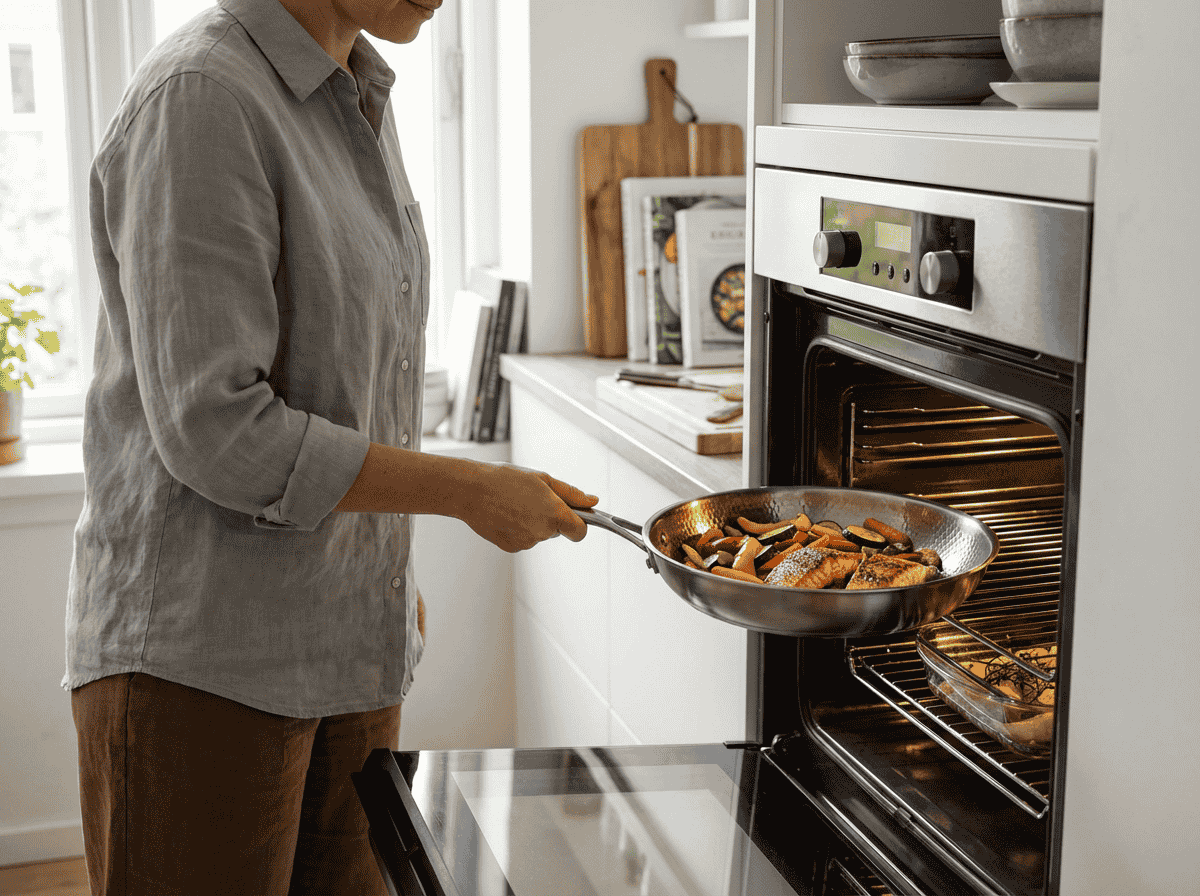
Yes, some non-stick pans can go in the oven – but it depends on the materials, coating, handle construction, and the manufacturer’s temperature rating. Not all non-stick cookware is designed to withstand oven heat.
If you’re wondering whether you can put non-stick pans in the oven safely, the main factor is the maximum temperature limit specified by the manufacturer. Some pans are oven safe up to certain temperatures, while others should only be used on the stovetop. Before placing any cooking pan in the oven, it’s important to confirm that both the body and the handle are heat resistant. This guide explains how to check whether your non-stick pan can go in the oven and what temperature limits to keep in mind.
How to Know If Your Non-Stick Pan is Oven Safe
Check the Manufacturer’s Instructions
The most reliable way to determine if a non-stick pan can go in the oven is to check the product description, packaging, or the manufacturer’s website. Look for clear wording such as “oven safe” along with the maximum temperature rating.
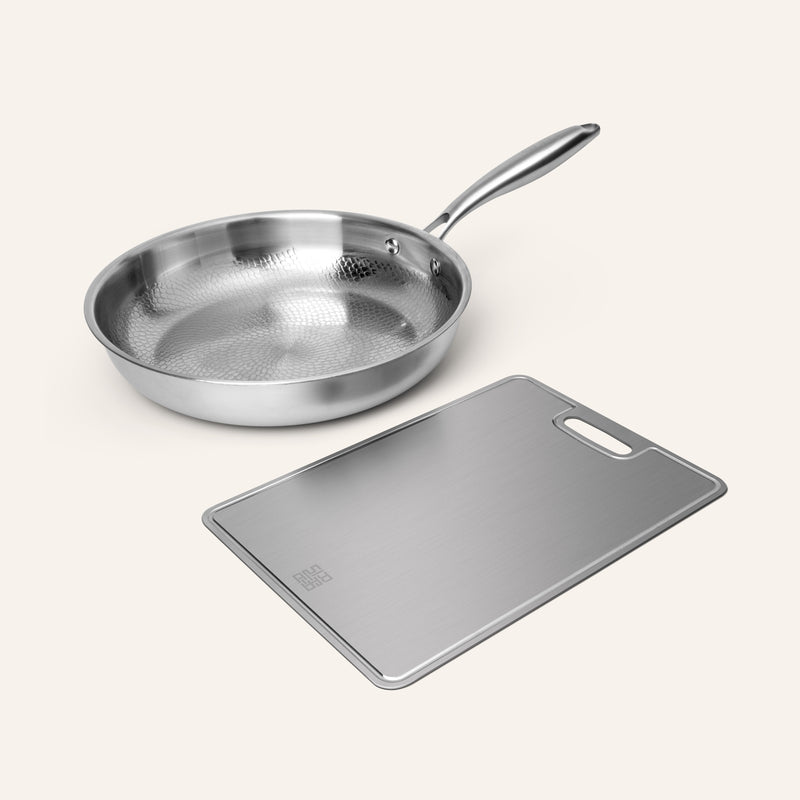
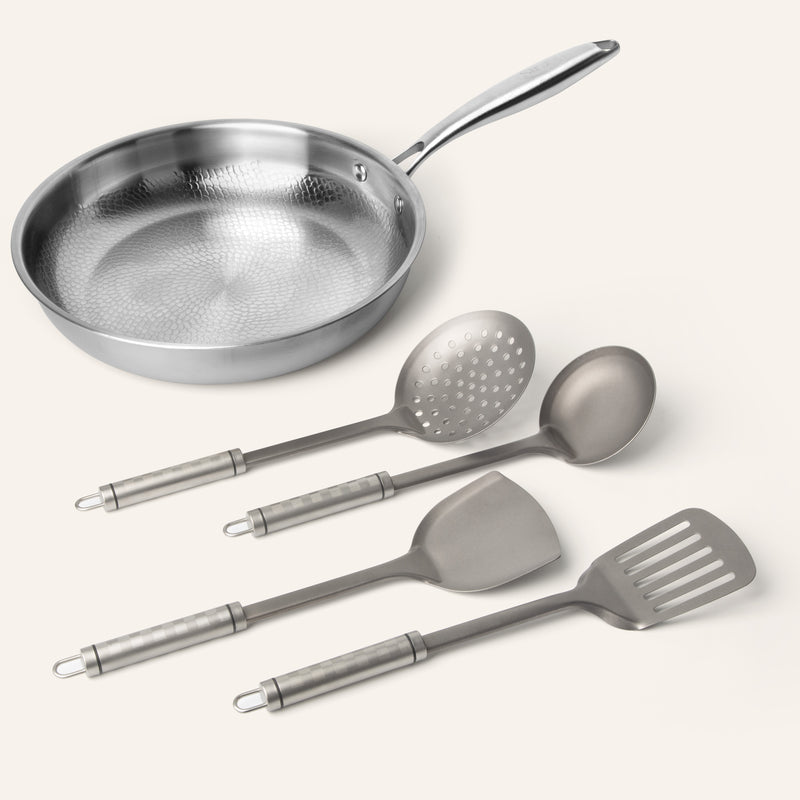
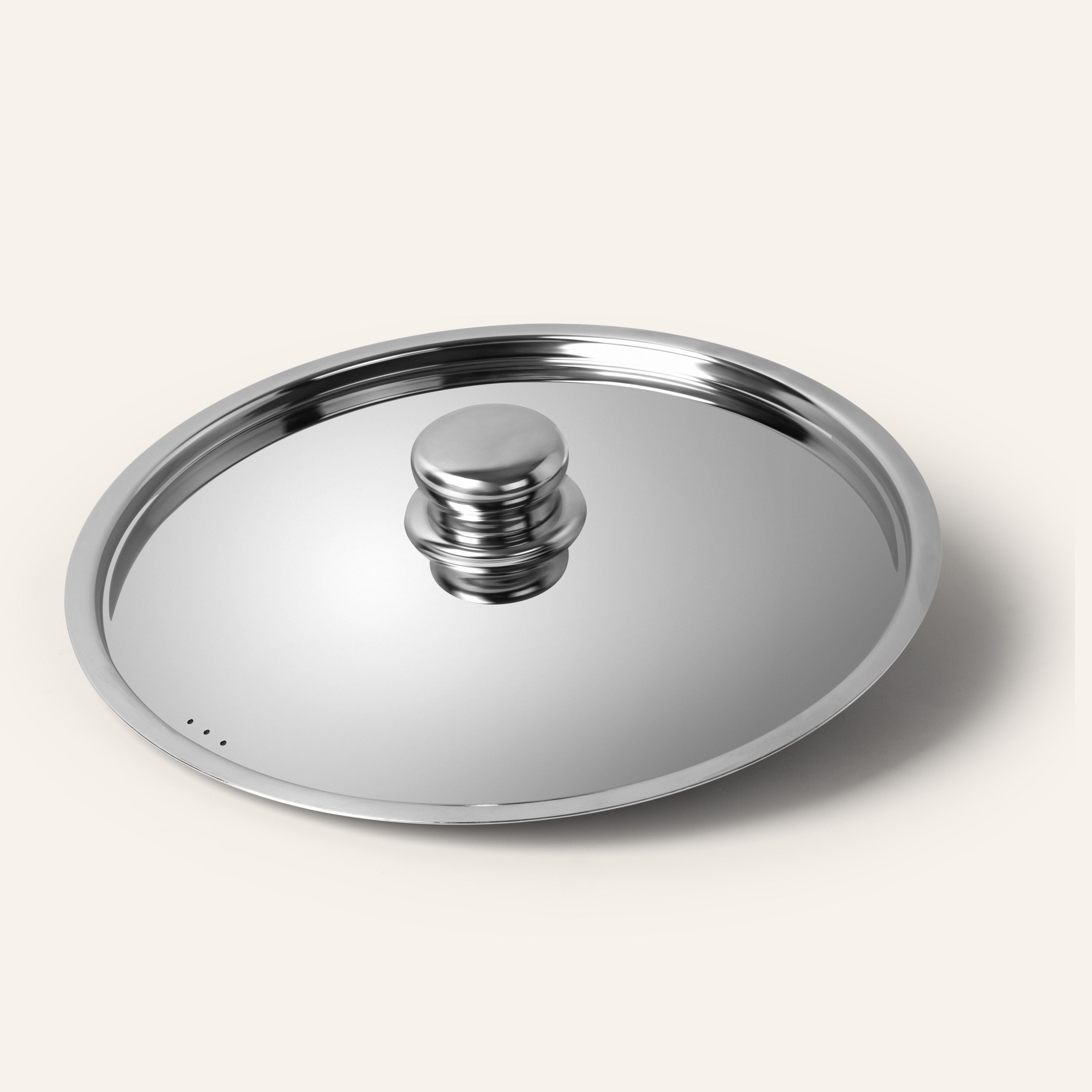
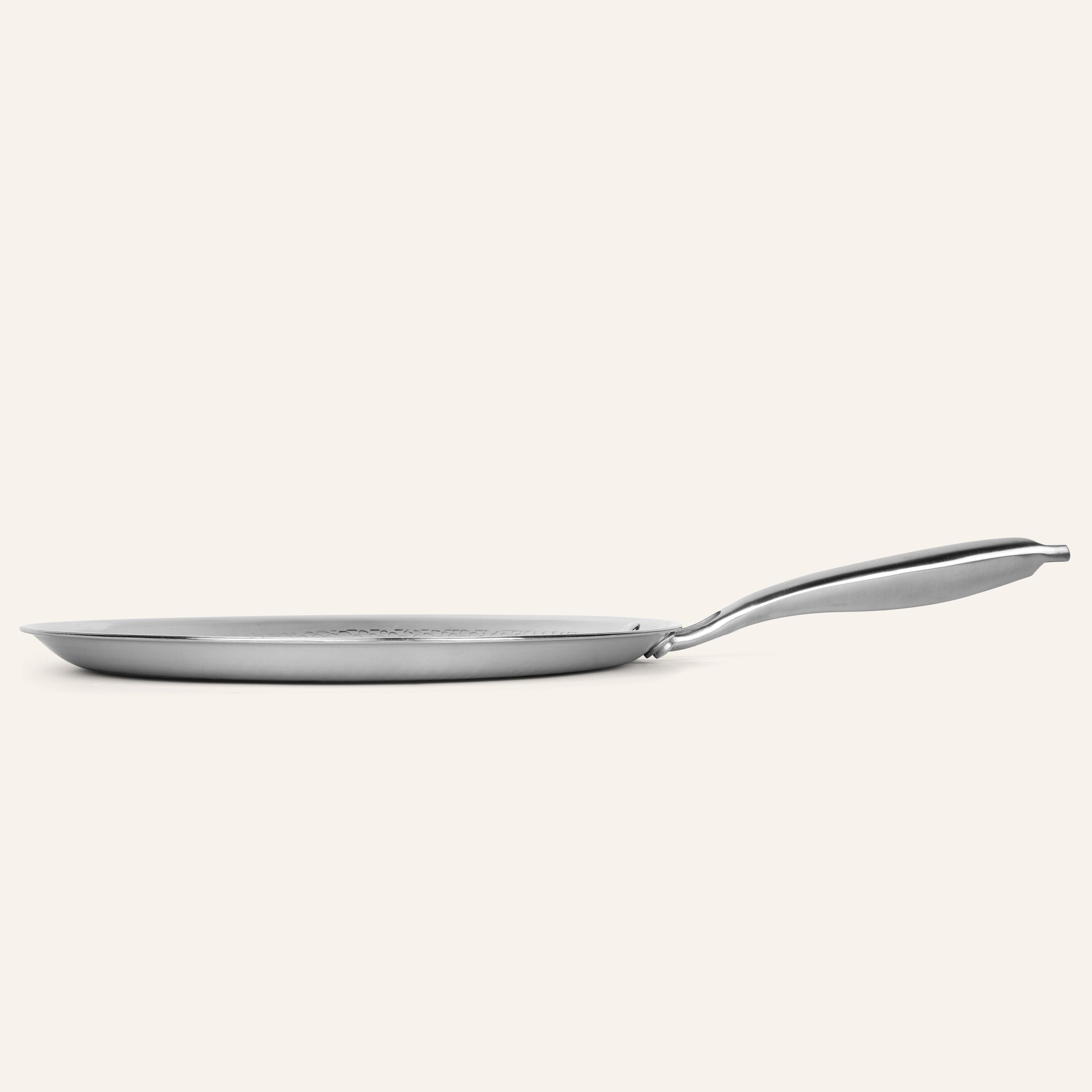
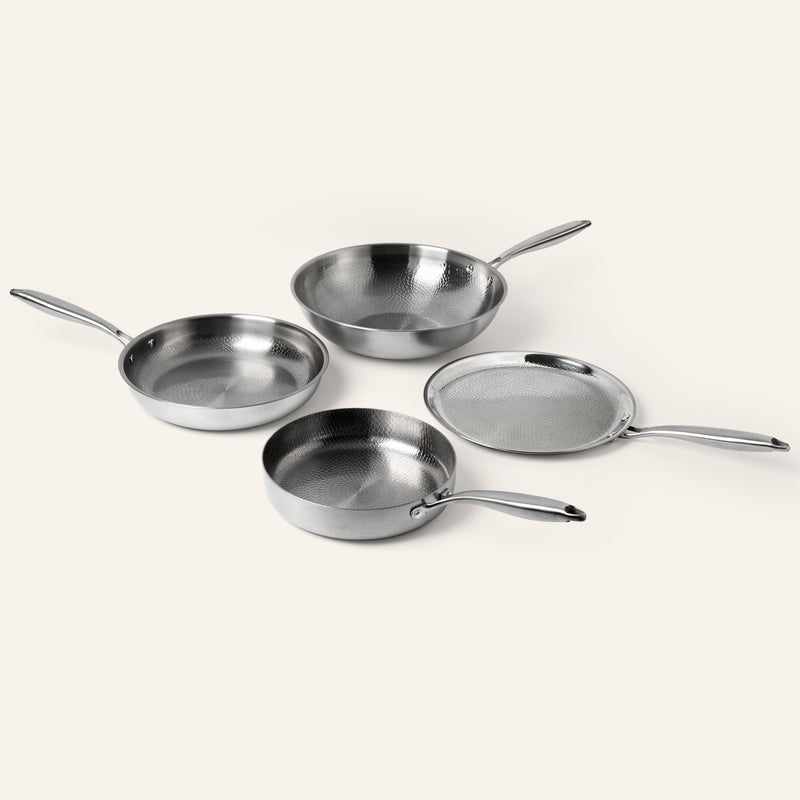
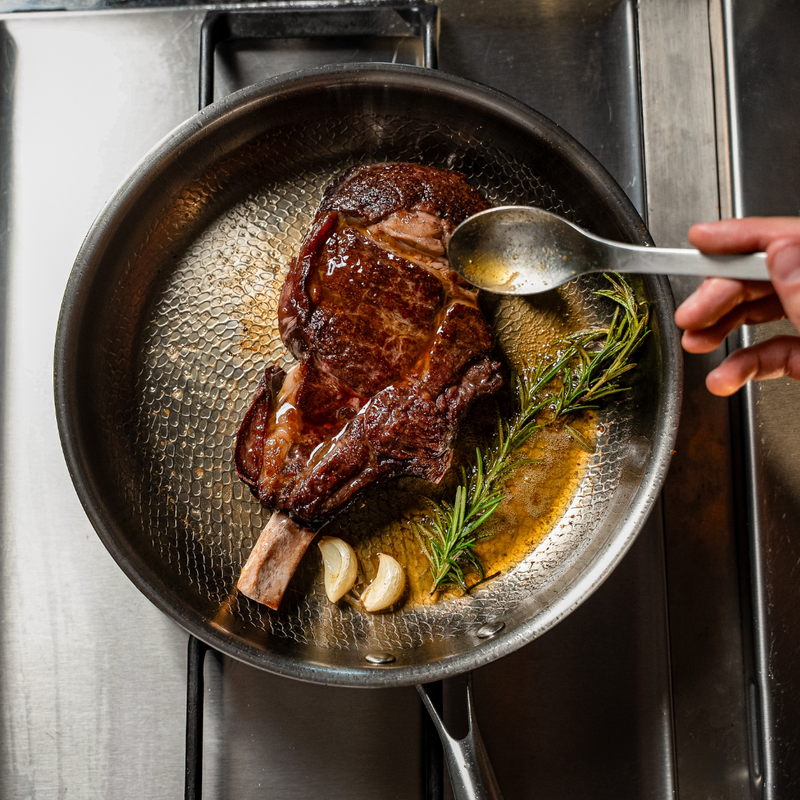
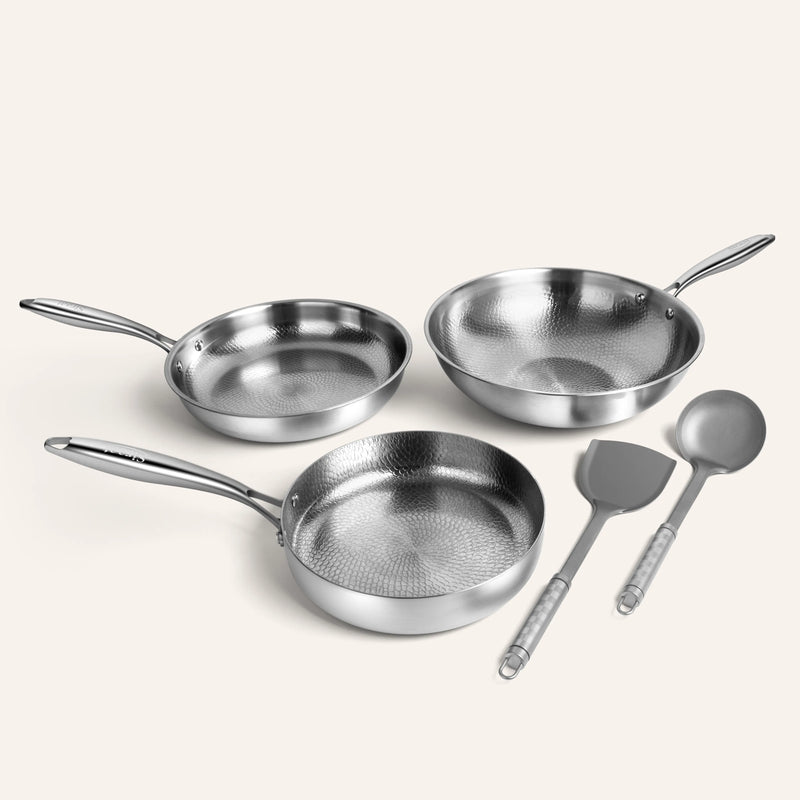
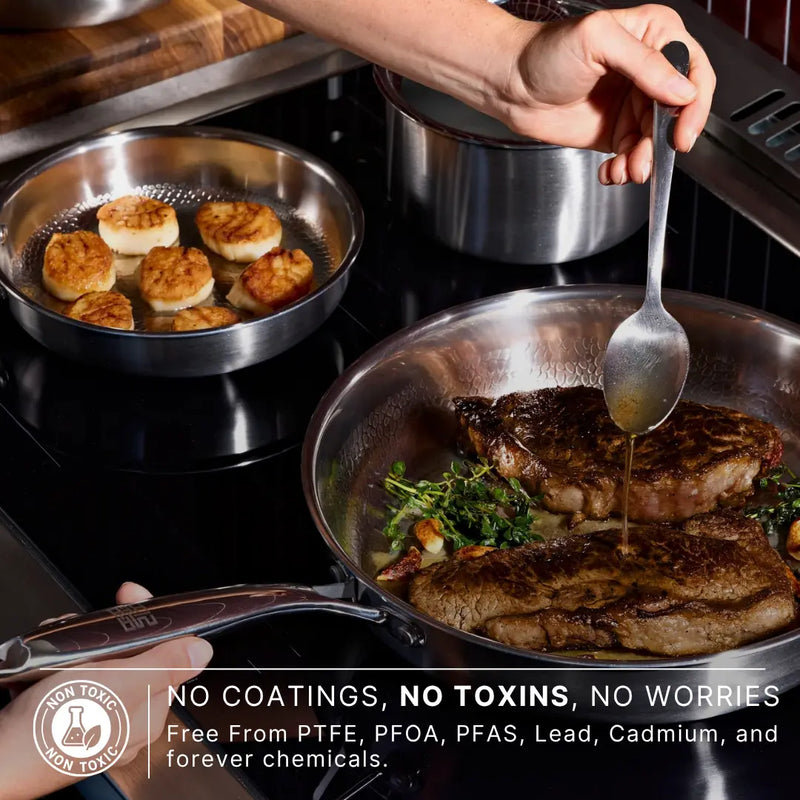
For example, titanium pans in Siraat’s cookware collection are labeled as oven safe and include a clearly stated temperature limit. These naturally low-stick pans are designed to tolerate temperatures up to 548°C (1000°F), making them suitable not only for standard home ovens but also for high-heat environments such as pizza ovens or grills.
However, many traditional non-stick pans – especially those with synthetic coatings and composite handles – tolerate significantly lower temperatures. If you can’t find any temperature information, it is generally safer to assume the pan is not intended for oven use.
Inspect the Handle Material
Even if the pan body is metal, the handle may not be. Plastic, silicone, or composite handles often have lower heat tolerance compared to stainless steel or solid titanium handles.
If the handle is attached with visible plastic components or feels lightweight and hollow, check carefully before placing it in the oven. Some handles are oven safe up to certain temperatures, while others are not designed for prolonged or high heat exposure. When in doubt, always check the temperature rating.
Look for Maximum Temperature Rating
Oven-safe non-stick pans typically specify a maximum temperature, often within a moderate baking range. This limit applies to the entire pan, including the coating and handle.
Exceeding the recommended temperature may shorten the lifespan of the non-stick surface or affect the structural integrity over time. It is also important to distinguish between regular oven use and broiling, which exposes cookware to significantly higher and more direct heat. If the manufacturer clearly states a temperature rating, you can generally use the pan in the oven within those limits.

What Makes a Non-Stick Pan Oven Safe?
A non-stick cooking pan can go in the oven safely when all of its components are designed to tolerate consistent oven heat. That includes the base material, the non-stick surface or coating, and the handle construction.
Most oven-safe non-stick pans are made from metal bases such as aluminium or stainless steel, which generally tolerate baking temperatures well. The non-stick coating must also be formulated to handle heat within a defined range without breaking down prematurely.
Handle design plays an equally important role. Fully metal handles typically tolerate oven use better than plastic or composite alternatives. Some modern cookware combines heat-resistant materials that are safe up to a specific temperature, but even these designs still have their limits.
What Temperature is Safe for Non-Stick Pans?
In most cases, oven-safe non-stick pans can handle temperatures between 175°C to 230°C (350°F to 450°F). The exact limit depends on the specific manufacturer’s instructions and the materials used in the construction.
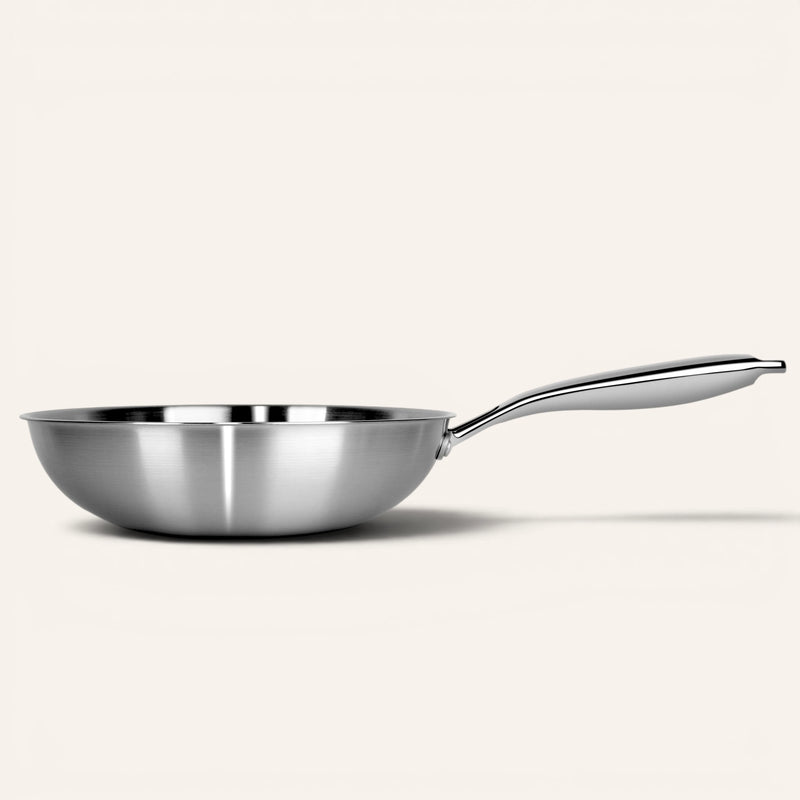
Pans with fully metal construction may tolerate temperatures on the higher end of the range, or even higher. For example, certain models, such as Titanium Hammered Pan Pro are designed for significantly higher heat tolerance due to their all-metal construction. However, cookware that includes composite or silicon components often have lower limits.
Not all non-stick pans can be used at every oven setting. Extremely high heat, such as broiling at around 260°C (500°F), may exceed the safe operating range for many types of non-stick cookware. Especially in the case of PTFE-coated cookware, temperature limits are important. While PTFE remains stable within normal cooking ranges, research into the thermal stability of PTFE coatings indicates that significantly exceeding recommended high-heat thresholds may alter material properties, reinforcing the importance of staying within manufacturer guidelines.
Even if a pan appears unaffected after brief exposure to higher heat, repeated use beyond the recommended limit may gradually shorten the lifespan of the non-stick surface or affect overall performance.
|
Feature |
What to Check |
Why It Matters |
|
Maximum temperature rating |
Clearly stated °C/°F limit |
Helps prevent overheating and gradual surface wear |
|
Handle material |
Metal vs plastic or composite |
Influences overall oven heat tolerance |
|
Broiler use |
Explicitly approved by manufacturer |
Broiling exposes cookware to significantly higher, direct heat |
|
Empty pan use |
Avoid placing empty pan in high-heat oven |
Prolonged dry heat may stress the cooking surface |
When You Should Not Put a Non-Stick Pan in the Oven
Even if a non-stick pan is labeled oven safe, there are situations where oven use is not recommended. Avoid placing an empty pan in a preheated oven at high temperatures. Prolonged dry heat without food or oil inside can stress the cooking surface more quickly than typical stovetop use.
You should also avoid using non-stick pans under a broiler unless the manufacturer specifically states that it’s safe. Broiling exposes cookware to intense, direct heat that may exceed the stated temperature limit. As a general rule, if the temperature rating is unclear or the pan shows visible signs of wear, it is safer to limit oven use to help preserve its performance over time.
Does Putting a Non-Stick Pan in the Oven Affect its Lifespan?
Using a non-stick pan in the oven occasionally – within its recommended temperature range – does not automatically damage it. However, how often you use the oven, how long the pan stays inside, and how it is handled afterward can all influence long-term performance. Repeated transitions between stovetop heat, oven heat, and rapid cooling may gradually affect any cookware over time.
Proper care matters just as much as temperature. Allowing the pan to cool naturally, avoiding sudden temperature changes, and following general maintenance guidelines can help preserve the cooking surface. In short, occasional oven use is typically not a problem – but improper care and consistent exposure to high heat may shorten the pan’s lifespan over time.
Final Considerations When Choosing an Oven-Safe Non-Stick Pan
When deciding whether a non-stick pan can go in the oven, focus on the overall construction of the cookware. Look for a clearly stated temperature rating and confirm that both the body and handle are designed to tolerate oven heat.
All-metal construction and transparent material details typically indicate broader compatibility across stovetop and oven use. At the same time, even oven-safe cookware performs best when used within its recommended limits and handled with proper care.
Ultimately, the answer to the question: “Can you put non-stick pans in the oven?” depends on the specific pan you own. Reviewing the manufacturer’s guidance before baking helps ensure safer use and supports consistent long-term performance.