WAREHOUSE CLEARANCE 📦
 BUNDLES & SETS
 Titanium Hammered Pan Pro Mini
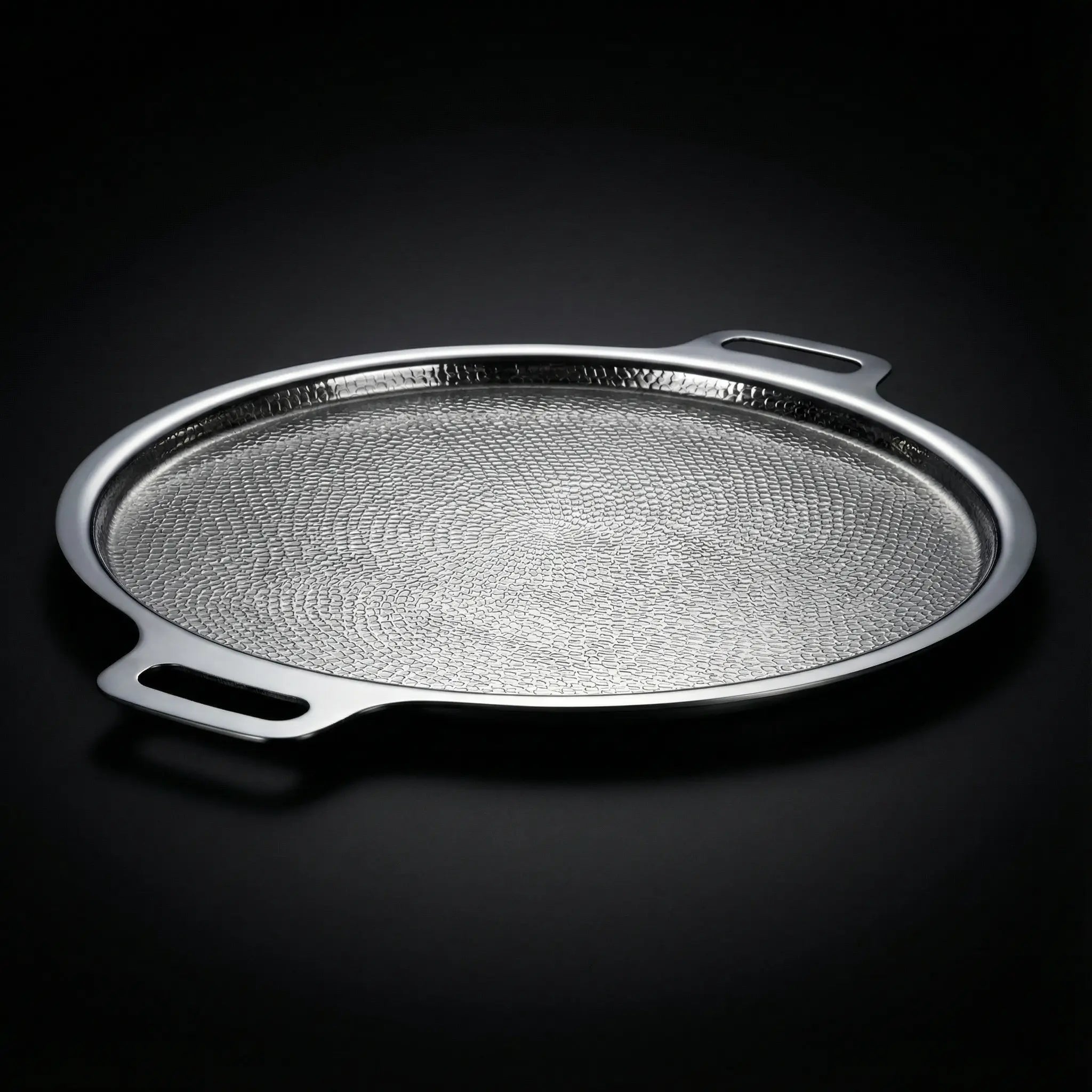
 Titan-gehämmertes Pizzastahl
 Titan gehämmert Pfanne Pro Standard
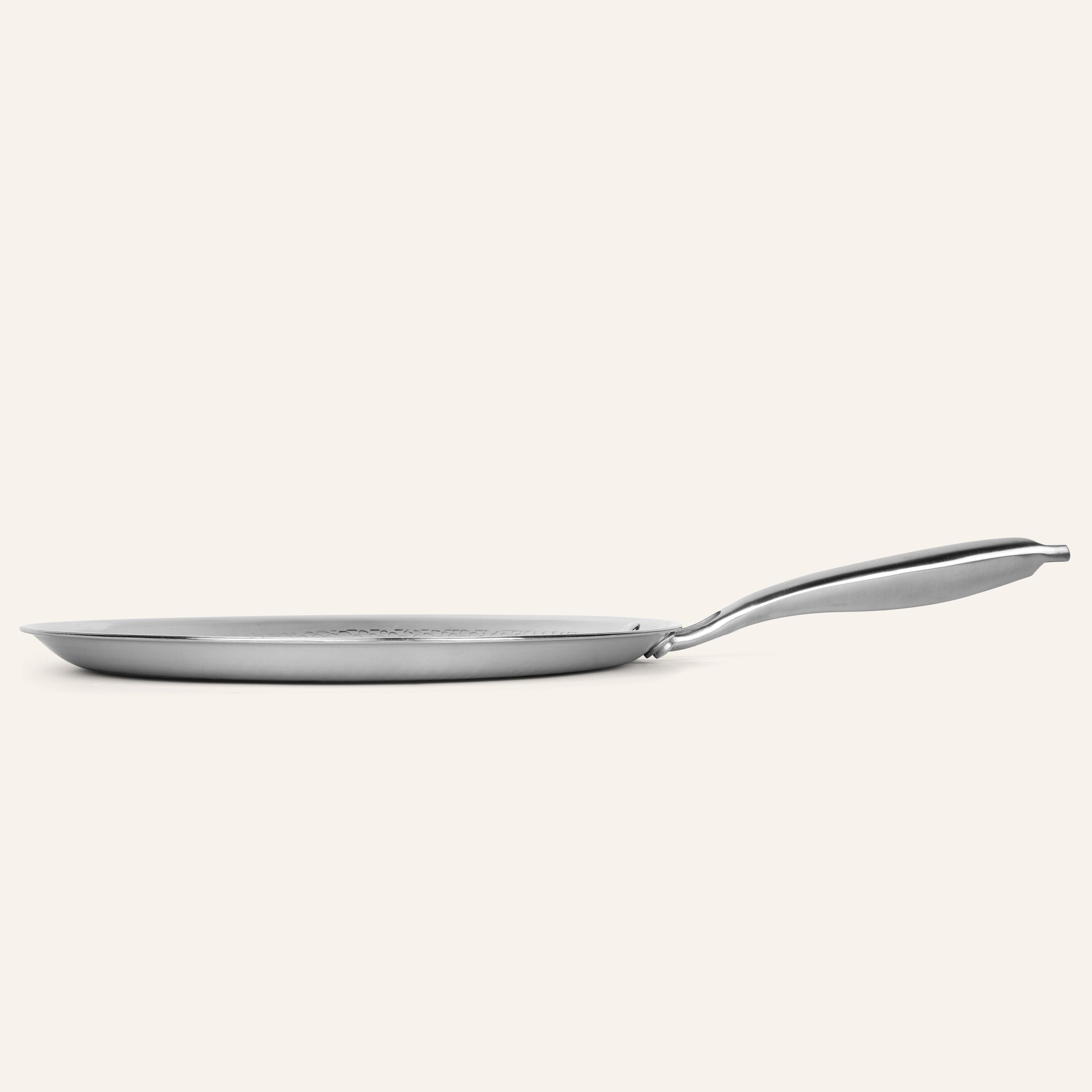
 Titan-gehämmertes Crêpe-Pfannen-Profi
 Titan gehämmert Pfanne Pro Klein
 Titan-Wokpfanne Pro mit Hammerschlag
 Titan gehämmert Pfanne Pro Groß
 Titan Hammered Deep Pan Pro
 Titan-Hammelbratpfanne
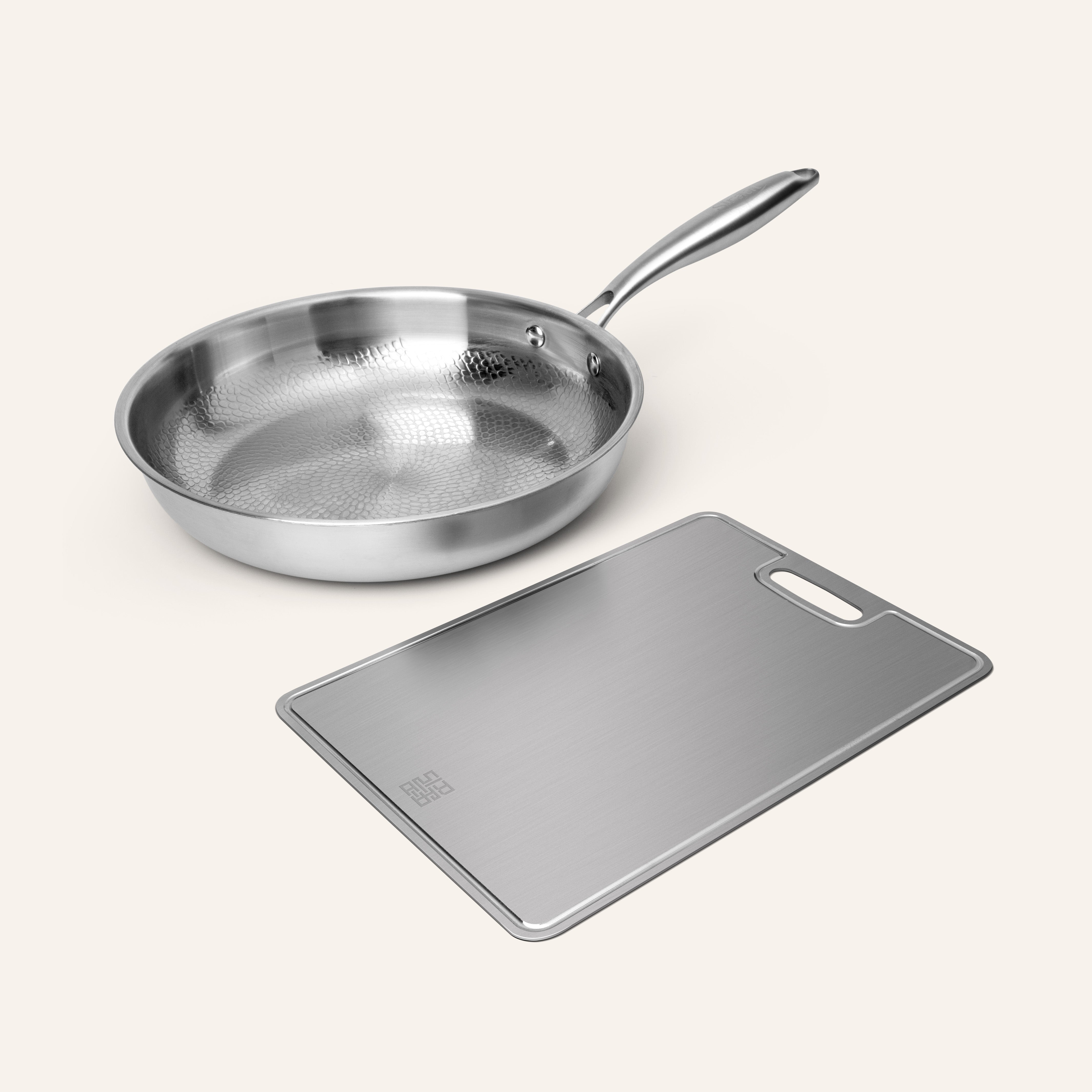
 Titanium-Schneidebrett (antibakteriell)
 Titanium Schneidebrett-Paket
 Siraat Signature Apron (Azure)
 Siraat Signature Apron (Oak)
 Siraat Signature Apron (Moss)
 Siraat Signature Apron (Ember)
 Salz- und Pfeffermühlen-Set
 Salzmühle
 Pfeffermühle
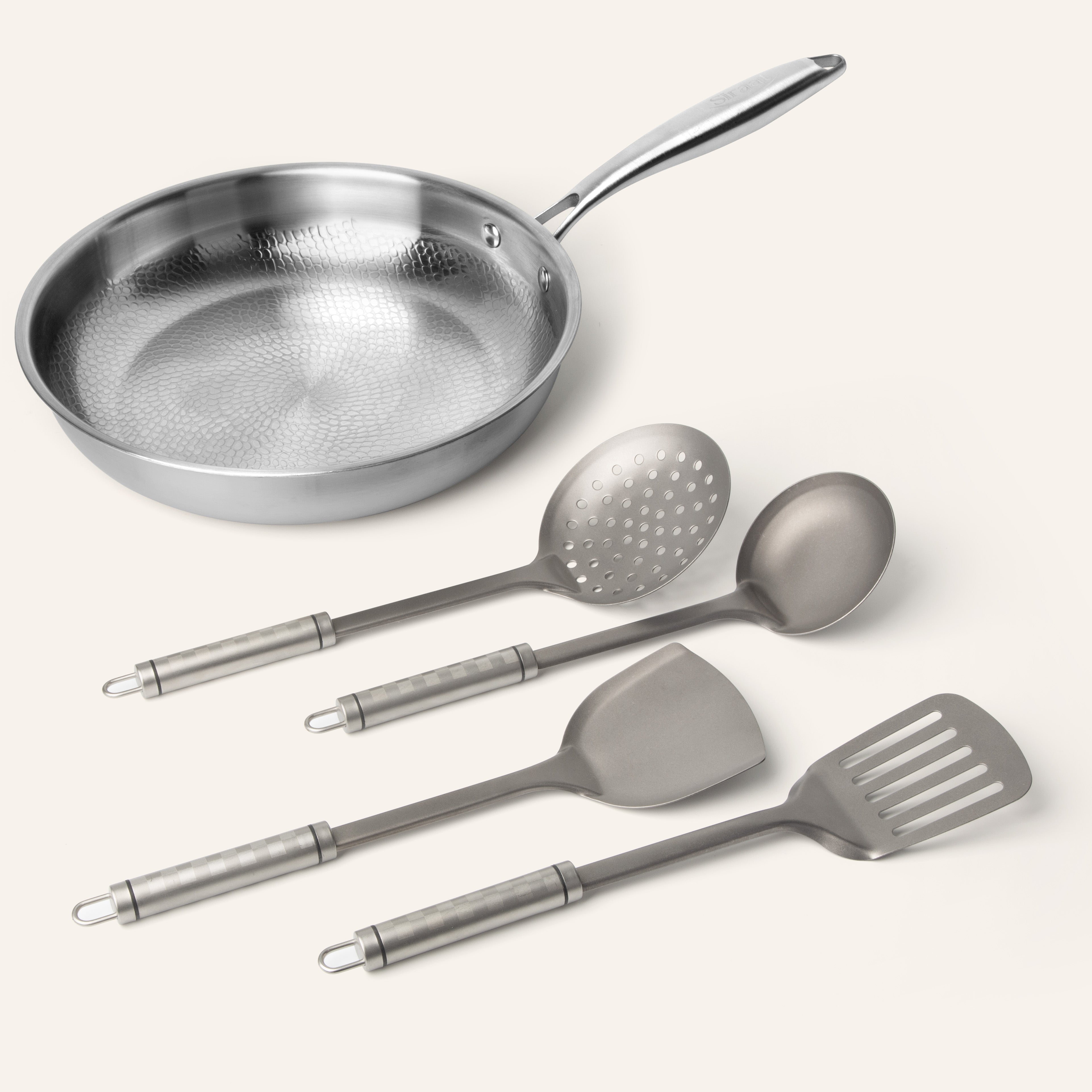
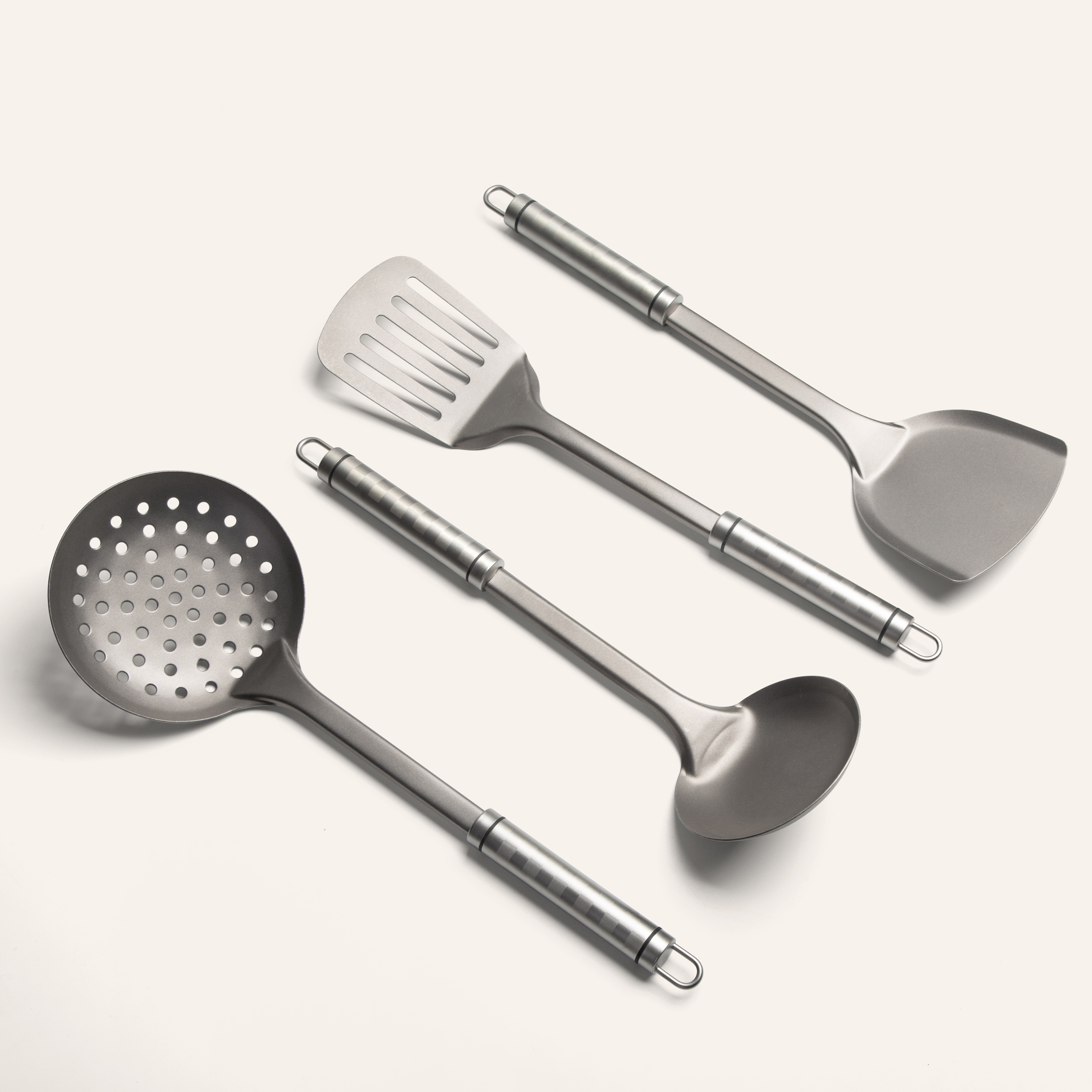
 Titan-Küchenhelfer-Set
 Titanbesteck
 Grillpresse
 Pizzaroller
 Rollmesserschärfer
 Magnetischer Untersetzer aus Kirschholz
 Edelstahldeckel
 Mini-Untersetzer aus Kirschholz
 Titan-Eiswürfel
 Titan-Strohhalme
 Rutschfeste Matte für Schneidebretter
 Diatomitmatte Anthrazit
 Titan-Wasserflasche




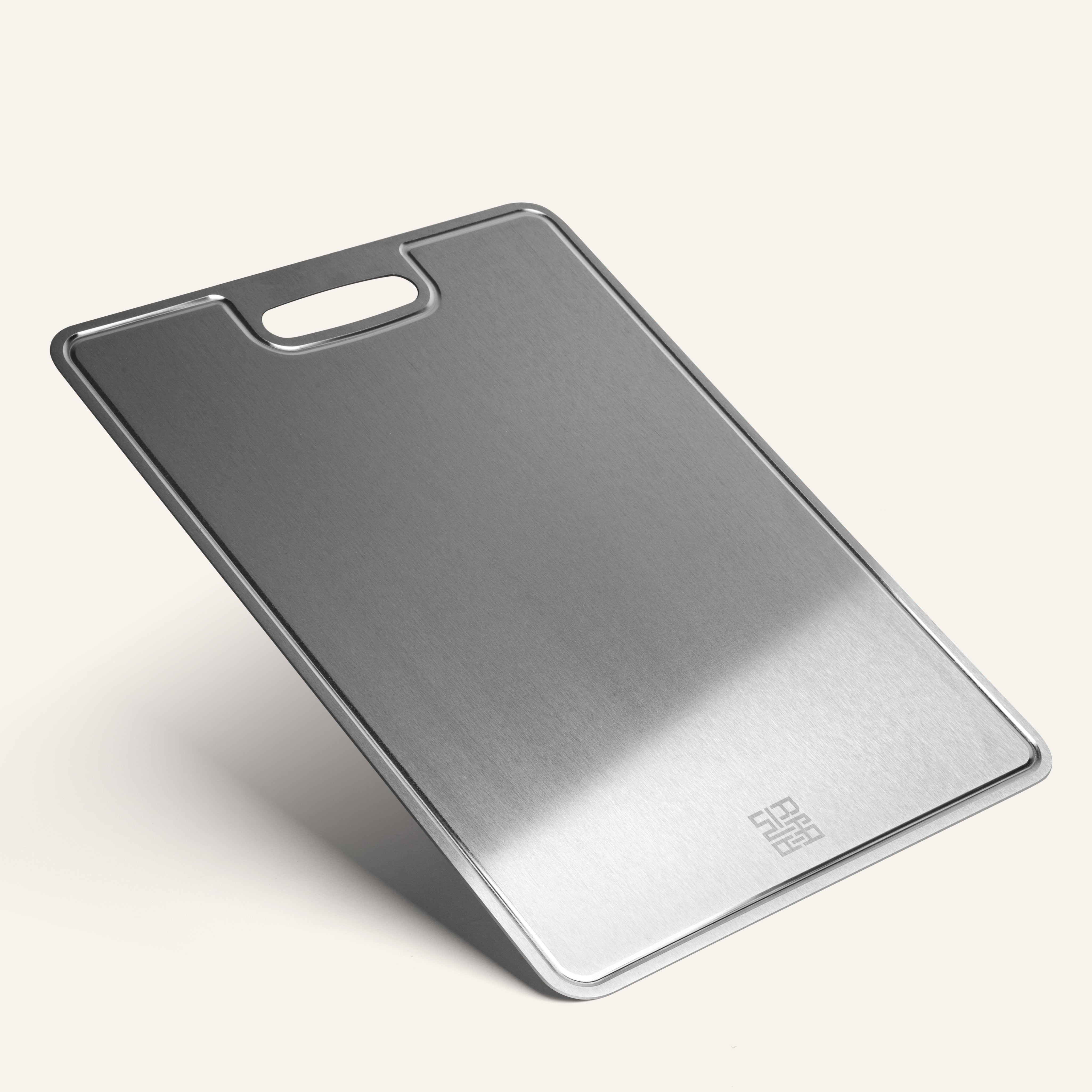





Schneidebretter aus Titan erfreuen sich bei Hobbyköchen und Profis zunehmender Beliebtheit, insbesondere aufgrund ihrer hygienischen, porenfreien Oberfläche und ihrer langen Lebensdauer . Viele fragen sich jedoch, ob Titan-Schneidebretter im Vergleich zu weicheren Materialien schädlich für Messer sind.
Die kurze Antwort lautet: Ja, Schneidebretter aus Titan können Messer schneller abstumpfen als solche aus Holz oder Kunststoff. Das liegt vor allem an ihrer härteren, porenfreien Oberfläche, die beim Schneiden weniger Stöße absorbiert. Der Messerverschleiß hängt jedoch stark von der Schneidetechnik , dem Druck und der Klingenpflege ab. Für viele Köche überwiegen die höhere Langlebigkeit und die hygienischen Vorteile von Titan den etwas häufigeren Nachschärfen. Dieser Ratgeber erklärt Ihnen genau, wie sich Titan-Schneidebretter auf die Messerschneide auswirken, welche Messer am besten dafür geeignet sind, wie Sie die Klingen schützen und ob sie die richtige Wahl für Ihre Küche sind.
Werden Messer durch Schneidebretter aus Titan schneller stumpf als durch Holz- oder Kunststoffbretter?
Ja – Schneidebretter aus Titan lassen Messer im Allgemeinen schneller stumpf werden als Schneidebretter aus Holz oder Kunststoff. Der Grund dafür liegt in der unterschiedlichen Wechselwirkung der Materialien mit der Messerschneide. Traditionelle Holzbretter und viele Kunststoffe sind weicher und etwas nachgiebiger als Titan. Sie ermöglichen es der Klinge, beim Schneiden leicht in die Oberfläche einzusinken. Dadurch wird der Kontakt der Schneide mit der Oberfläche im Vergleich zu härteren Oberflächen reduziert. Titan ist ein steiferes Metall, das Stöße nicht so gut absorbiert. Diese Eigenschaften machen das Brett zwar hygienisch und langlebig, bedeuten aber auch, dass die Klinge beim täglichen Schneiden und Hacken stärker auf die Oberfläche aufschlägt.
Es kann hilfreich sein, sich verschiedene Materialien auf einem Härtespektrum vorzustellen: Holz und weichere Kunststoffe schonen Messer, Titan ist etwas härter, aber bei Weitem nicht so schädlich wie Glas, Marmor und Keramik . Letztere sind extrem hart und können Messer deutlich schneller abstumpfen oder sogar beschädigen als Titan. Wichtig ist, dass Abstumpfen nicht gleichbedeutend mit Beschädigungen wie Absplitterungen oder Rissen ist. Es bedeutet lediglich, dass die Schneide schneller an Schärfe verliert und häufiger abgezogen und gelegentlich nachgeschärft werden muss.
Welche Messer eignen sich am besten für ein Schneidebrett aus Titan?
Die Art des verwendeten Messers beeinflusst, wie schnell die Schneide auf einem Titan-Schneidebrett stumpf wird. Generell gilt: Hochwertige Messer, die länger scharf bleiben, schneiden auf festeren Oberflächen gleichmäßiger. Viele Kochmesser aus hochwertigem Edelstahl oder Kohlenstoffstahl , darunter auch härtere japanische Messer, behalten ihre Schärfe bei richtiger Pflege effektiv.
Sehr dünne, weichere oder minderwertigere Klingen müssen möglicherweise häufiger geschärft werden. Dies ist jedoch auf normalen Verschleiß und nicht auf Materialmängel zurückzuführen. Achten Sie bei der Auswahl des passenden Messers für Ihr Titan-Schneidebrett auf ein hochwertiges Messer und dessen richtige Pflege.

Wie man das Abstumpfen von Messern auf einem Titan-Schneidebrett minimiert
Obwohl Schneidebretter aus Titan fester sind als solche aus Holz oder Kunststoff, lässt sich der Verschleiß der Schneide durch die richtige Messerpflege deutlich reduzieren. In den meisten Küchen hängt das Abstumpfen der Klinge ebenso sehr von den Schneidgewohnheiten und der Pflege ab wie vom Material des Bretts selbst.
Verwenden Sie die richtige Schneidetechnik
Eine gängige Regel in Profi- und Hobbyküchen lautet: Lassen Sie das Messer die Arbeit machen . Vermeiden Sie übermäßige Kraft und aggressive Hackbewegungen, die die Klinge hart in die Arbeitsfläche drücken. Sanftes Schneiden und kontrollierte Bewegungen schonen die Schneide. Vermeiden Sie es außerdem, Zutaten mit der scharfen Seite der Klinge vom Schneidebrett zu schaben . Drehen Sie das Messer stattdessen um und verwenden Sie den Klingenrücken, um die Lebensmittel aufzunehmen.
Pflegen und schärfen Sie Ihr Messer regelmäßig.
Regelmäßiges Abziehen ist besonders bei harten Schneidebrettern hilfreich, da es die Schneidleistung zwischen den Schärfungen erhält. Wie oft Sie Ihre Messer schärfen müssen, hängt maßgeblich davon ab, wie oft Sie kochen. Für Hobbyköche, die täglich kochen, gehört gelegentliches Schärfen einfach zur normalen Küchenpflege – unabhängig vom verwendeten Schneidebrett. Als Faustregel gilt: Hobbyköche, die täglich kochen, profitieren davon, ihre Messer wöchentlich abzuziehen und je nach Messerqualität und Schneidegewohnheiten alle paar Monate zu schärfen .
Vorsicht beim Schneiden harter Lebensmittel
Harte Zutaten wie Kürbis oder große Wurzelgemüse beanspruchen die Messerschneide naturgemäß stärker. Gezielter Druck und eine scharfe Klinge reduzieren diese Belastung. Für extrem harte Materialien wie Knochen oder gefrorene Zutaten empfiehlt sich stets ein speziell dafür entwickeltes Messer. Robuste Küchenmesser oder Hackmesser sind in diesen Fällen die deutlich bessere Wahl.
Was sind die Vorteile eines Schneidebretts aus Titan – und für wen eignet es sich am besten?
Obwohl manche Köche Bedenken hinsichtlich der Messerschärfe auf Titan-Schneidebrettern haben, bieten diese auch viele Vorteile, die in vielen Haushalten und Profiküchen Anklang finden. Einer der wichtigsten ist die Hygiene . Materialien wie Holz und Kunststoff haben zwar ihre Vorteile, doch können bei regelmäßigem Gebrauch kleine Schnittspuren entstehen, in denen sich Bakterien ansiedeln können und die sich nur schwer gründlich reinigen und desinfizieren lassen. Die porenfreie Oberfläche von Titan nimmt weder Feuchtigkeit noch Gerüche oder Speisereste auf, wodurch die Reinigung und Pflege zwischen den Anwendungen erleichtert wird. Dies ist besonders wichtig bei der Zubereitung von rohem Fleisch, Fisch und allergenen Zutaten.
Ein weiterer großer Vorteil ist seine Langlebigkeit . Im Vergleich zu anderen Materialien sind Titanoberflächen kratzfest und abriebfest . Sie sind äußerst widerstandsfähig gegen Verformung und Rissbildung, selbst bei wiederholtem Gebrauch und Waschen.
Titan-Schneidebretter zeichnen sich zudem durch Stabilität und Festigkeit aus. Sie bleiben dauerhaft plan und formstabil und bieten eine zuverlässige Arbeitsfläche . Ölen oder Pflegen ist nicht nötig – in den meisten Fällen genügt ein einfaches Abwaschen mit warmem Wasser und Spülmittel.
Aus diesen Gründen eignen sich Schneidebretter aus Titan besonders gut für :
- Gesundheitsbewusste und auf Hygiene fokussierte Haushalte.
- Küchen für Allergiker.
- Professionelle Köche und Hobbyköche.
- Küchen, in denen regelmäßig rohes Fleisch und Fisch zubereitet werden.
- Für alle, die eine langlebige, wartungsarme Alternative suchen.

Our Durable Non-Toxic Cutting Boards
100% pure titanium. Antibacterial, scratch-proof, toxin-free. Built to last, for chefs who demand the best
Schlussbetrachtung: Lohnt sich der Kompromiss?
Auch wenn Schneidebretter aus Titan Messer schneller abstumpfen lassen als weichere Materialien, sind sie nicht grundsätzlich schlecht für Messer. Sie verursachen keine strukturellen Schäden, und mit der richtigen Technik und regelmäßiger Pflege können die meisten Köche den Verschleiß der Schneide problemlos in den Griff bekommen.
Letztendlich hängt die Wahl des richtigen Schneidebretts von Ihren Kochgewohnheiten und Prioritäten ab. Wenn Sie Wert auf eine porenfreie, langlebige Oberfläche legen, die für den täglichen Gebrauch geeignet ist, kann ein Schneidebrett aus Titan eine praktische und lohnende Investition sein. Wie bei vielen Entscheidungen in der Küche geht es auch hier um Abwägung – und für viele Köche überwiegen die Vorteile den zusätzlichen Aufwand beim Schärfen.