





Induktionskochfelder erfreuen sich zunehmender Beliebtheit in privaten und professionellen Küchen. Im Gegensatz zu Gas- oder herkömmlichen Elektroherden erzeugen sie Wärme mithilfe elektromagnetischer Energie. Geeignetes Kochgeschirr muss entweder über einen speziellen Magnetboden verfügen oder von Natur aus magnetisch sein.
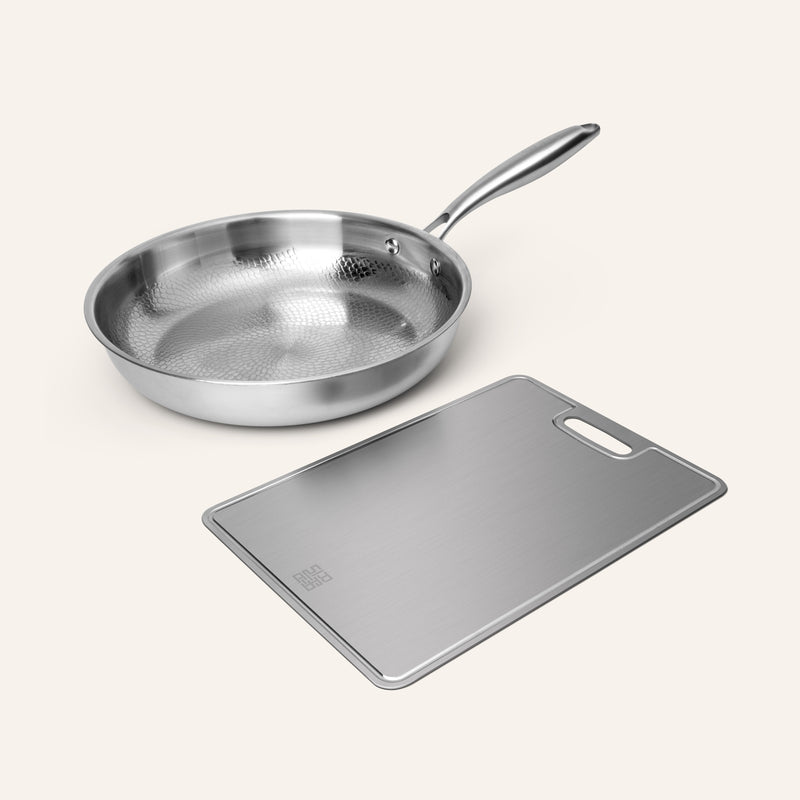
Titan-Kochgeschirr wird oft für seine Langlebigkeit , Ungiftigkeit und Vielseitigkeit gelobt – ob es jedoch auf einem Induktionskochfeld funktioniert, hängt von der Herstellung ab. In diesem Ratgeber erklären wir Ihnen, wie Sie erkennen, ob eine Titanpfanne induktionsgeeignet ist, worauf Sie achten sollten und für welche Herdarten Titan-Kochgeschirr am besten geeignet ist.
Sind Titanpfannen für Induktionskochfelder geeignet?
Ja, Titanpfannen können auf Induktionskochfeldern verwendet werden – aber nur , wenn sie einen induktionsgeeigneten Boden haben . Induktionskochfelder nutzen elektromagnetische Energie, die Kochgeschirr mit einem magnetischen Boden benötigt, um Wärme zu erzeugen. Reines Titan ist nicht magnetisch und erhitzt sich daher nicht automatisch auf einem Induktionsherd.
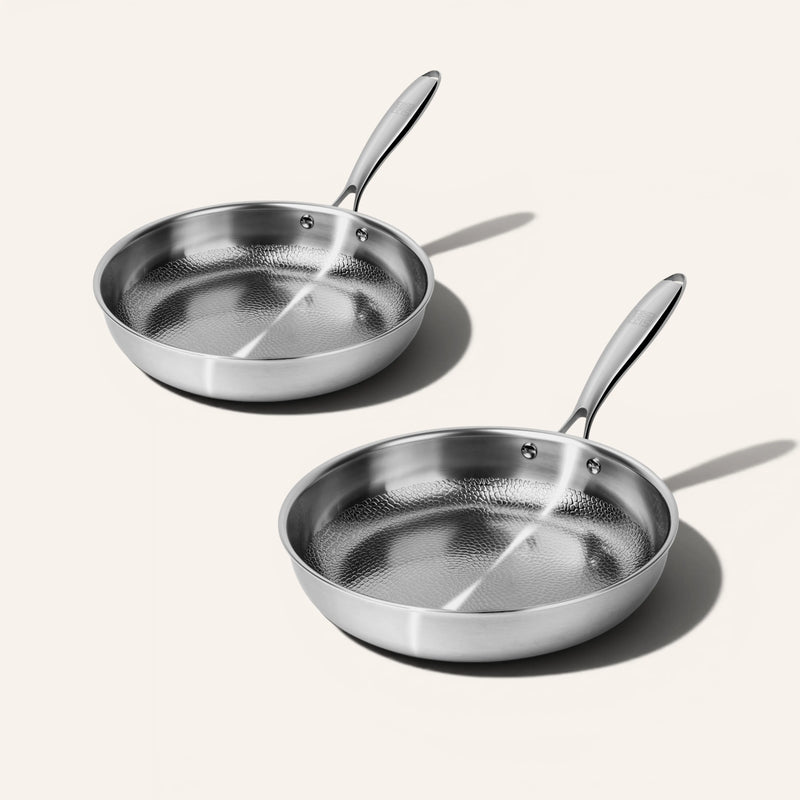
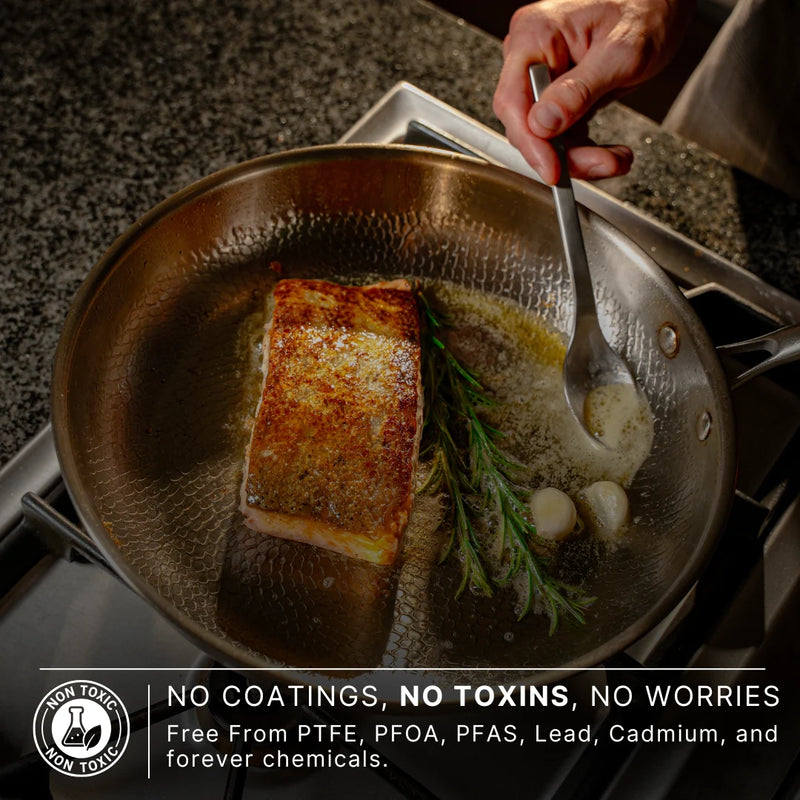
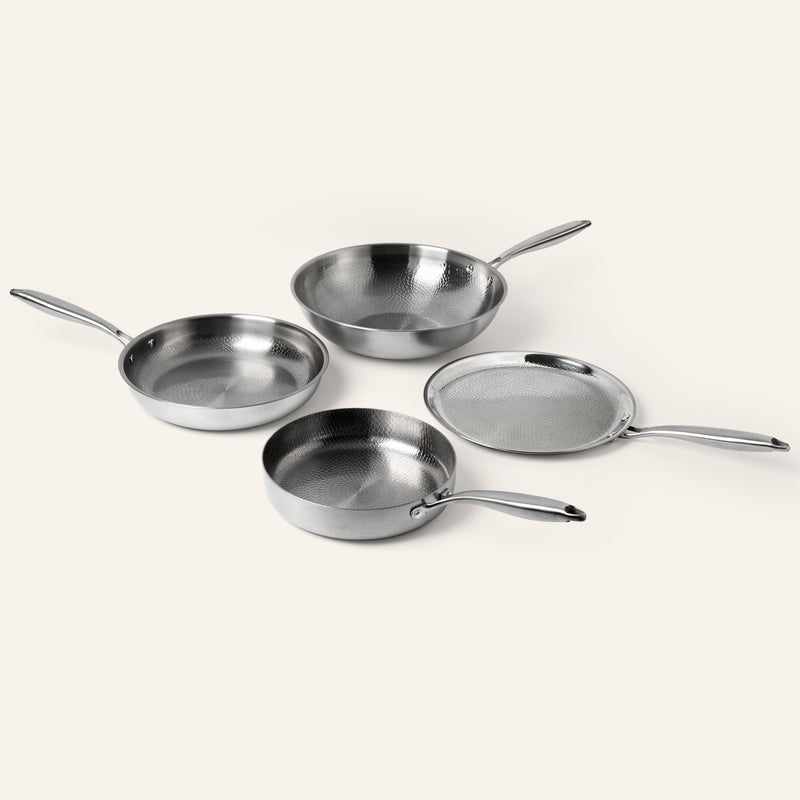
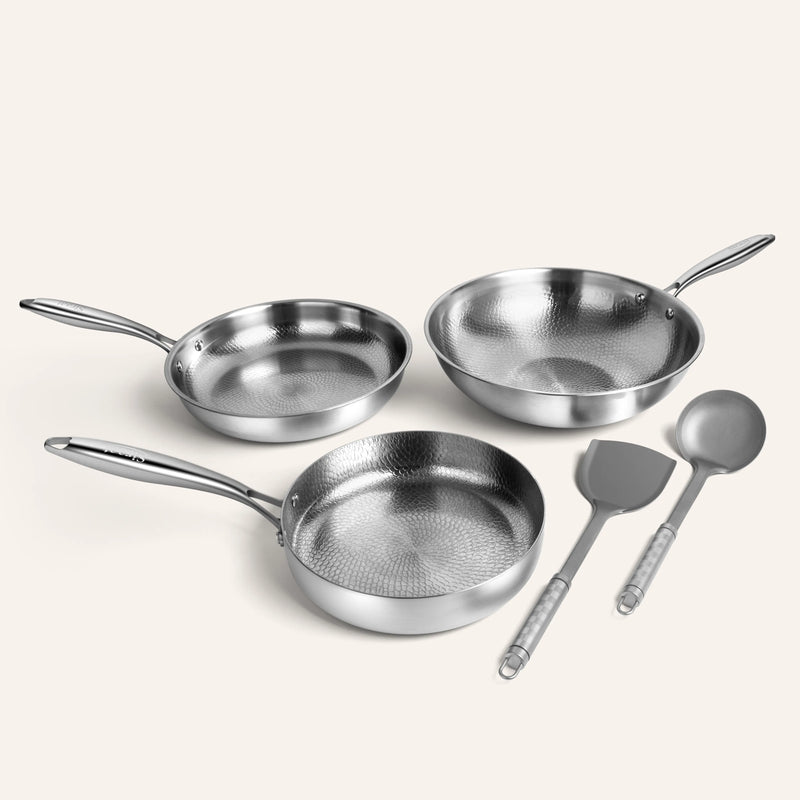
Modernes Titan-Kochgeschirr ist oft so konstruiert, dass es mit verschiedenen Herdarten, einschließlich Induktion, kompatibel ist . Hochwertige Titanpfannen verfügen in der Regel über einen mehrschichtigen oder verklebten Boden, meist mit einem magnetischen Edelstahlkern oder einem verkapselten ferromagnetischen Kern. Dadurch kann die Pfanne mit dem Induktionsfeld interagieren. Diese Konstruktion gewährleistet eine gleichmäßige Wärmeverteilung und erhält gleichzeitig die für Titan typischen Eigenschaften: reaktionsträge, langlebig und ungiftig.
Woran man erkennt, ob Titan-Kochgeschirr induktionsgeeignet ist
Suchen Sie nach dem Induktionssymbol
Am einfachsten lässt sich die Eignung einer Titanpfanne für Induktionsherde anhand des Induktionssymbols überprüfen. Induktionsgeeignetes Kochgeschirr ist üblicherweise mit diesem Symbol – meist einer kleinen Spirale – auf dem Pfannenboden oder der Verpackung gekennzeichnet. Besitzt eine Titanpfanne dieses Symbol, bedeutet dies, dass ihr Boden eine speziell für das Kochen auf Induktion entwickelte Schicht aus magnetischem Material enthält.
Führen Sie den Magnettest durch
Wenn Sie bereits eine Titanpfanne besitzen, aber nicht sicher sind, ob sie für ein Induktionskochfeld geeignet ist, können Sie den Magnettest durchführen. Halten Sie dazu einfach einen Magneten an den Pfannenboden . Haftet der Magnet fest , ist Ihre Pfanne wahrscheinlich induktionsgeeignet . Haftet er nicht oder fällt er leicht ab, ist die Pfanne höchstwahrscheinlich nicht für Induktionskochfelder geeignet. Dieser Test funktioniert aufgrund der magnetischen Schicht, die für die Wärmeerzeugung auf einem Induktionskochfeld erforderlich ist.
Prüfen Sie die Herstellerinformationen.
Im Zweifelsfall sind die Herstellerangaben , die Bedienungsanleitung oder die Produktspezifikationen die zuverlässigste Quelle. Marken geben in der Regel an, für welche Herdarten ihr Kochgeschirr geeignet ist, und ob der Topf über einen induktionsgeeigneten Boden verfügt.
Testen Sie es auf Ihrem Induktionskochfeld
Wenn Sie bereits ein Induktionskochfeld besitzen, können Sie die Kompatibilität mit einem praktischen Test überprüfen. Stellen Sie die Pfanne auf das Kochfeld und schalten Sie die niedrigste Stufe ein. Erkennt das Kochfeld Ihre Pfanne und beginnt zu heizen , ist Ihre Titanpfanne induktionsgeeignet . Zeigt das Kochfeld eine Fehlermeldung an oder aktiviert es sich nicht, ist die Pfanne nicht für Induktionskochen geeignet.
| Kochgeschirrmaterial | Induktionskompatibel | Wartung | Benutzerfreundlichkeit | Langzeitbeständigkeit |
|---|---|---|---|---|
| Titan (induktionsgeeignet) | Ja | Niedrig | Einfach | Sehr hoch |
| Gusseisen | Ja | Hoch | Schwer zu handhaben | Sehr hoch |
| Edelstahl | Hängt von der Basis ab | Mäßig | benötigte Technik | Hoch |
| Kohlenstoffstahl | Ja | Hoch | benötigte Technik | Hoch |
Welche Pfannen eignen sich für Induktionskochfelder – und welche Rolle spielt Titan?
Gusseisen-Kochgeschirr
Gusseisen ist von Natur aus magnetisch und daher ideal für Induktionskochfelder geeignet. Es speichert Wärme gut und eignet sich daher hervorragend zum Schmoren und Anbraten. Allerdings sind Gusseisenpfannen schwer und müssen regelmäßig eingebrannt und sorgfältig gepflegt werden, um Rost, Oberflächenbeschädigungen und Leistungsverlust zu vermeiden. Dadurch sind sie im Alltag etwas unhandlicher. Außerdem können sie bei unsachgemäßer Verwendung Glaskeramik-Induktionsoberflächen zerkratzen.
Kochgeschirr aus Edelstahl
Viele Edelstahlpfannen sind induktionsgeeignet, allerdings nur, wenn sie einen magnetischen Boden haben . Hochwertiges Edelstahlkochgeschirr ist langlebig und vielseitig. Für optimale Ergebnisse und um Anhaften zu vermeiden, sind jedoch etwas Übung und die richtige Kochtechnik erforderlich.
Kochgeschirr aus Kohlenstoffstahl
Eine weitere induktionsgeeignete Option ist Kochgeschirr aus Kohlenstoffstahl. Das Material ist magnetisch, erhitzt sich schnell und wird häufig in Profiküchen verwendet. Kohlenstoffstahl muss jedoch regelmäßig eingebrannt und gepflegt werden , und seine Leistungsfähigkeit hängt stark von der richtigen Pflege ab.
Titan-Kochgeschirr
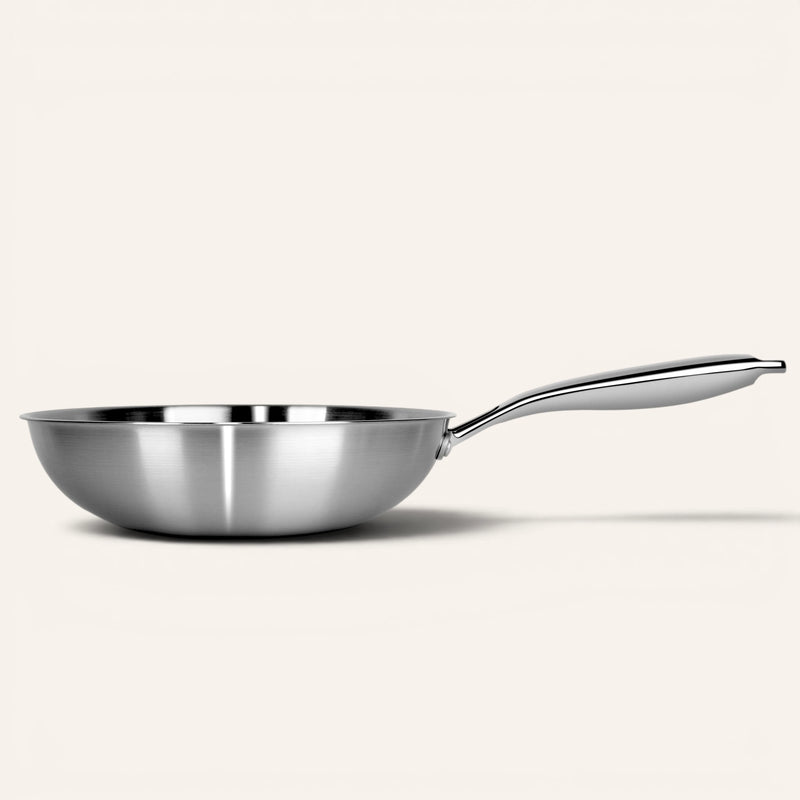
Obwohl Titan von Natur aus nicht magnetisch ist, ist induktionsgeeignetes Titankochgeschirr speziell mit einem magnetischen Boden ausgestattet und somit optimal für Induktionskochfelder geeignet. Hochwertiges Titankochgeschirr vereint die Stärke , Langlebigkeit und reaktionsträgen Eigenschaften von Titan mit der Funktionalität von Induktionskochfeldern.
Für Köche, die Kochgeschirr suchen, das auf verschiedenen Herdarten funktioniert, sind Titanpfannen eine praktische und moderne Wahl . Induktionsgeeignete Modelle bieten eine vielseitige Lösung für den täglichen Gebrauch.

Mit welchen anderen Herdarten ist Titan-Kochgeschirr kompatibel?
Einer der größten Vorteile von Titan-Kochgeschirr ist seine Vielseitigkeit. Es kann auf verschiedenen Herdarten verwendet werden und ist somit eine praktische, langfristige Investition für die Küche.
Gasherde
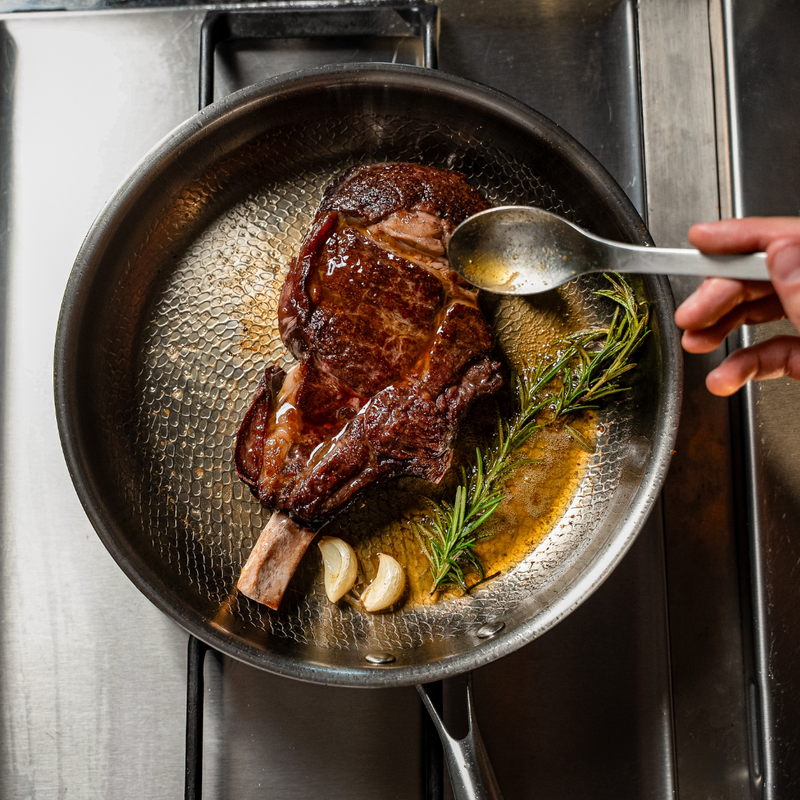
Titan-Kochgeschirr eignet sich hervorragend für Gasherde. Seine Fähigkeit, die Hitze gleichmäßig zu verteilen, harmoniert perfekt mit der schnellen Hitzeregulierung von Gasherden. Titanpfannen lassen sich auf offener Flamme leicht handhaben und verziehen sich auch bei hohen Temperaturen nicht. Dadurch sind sie sowohl für die alltägliche Küche als auch für anspruchsvollere Zubereitungsmethoden wie Anbraten oder Sautieren geeignet.
Keramik-/Glaskochfelder
Titanpfannen eignen sich auch hervorragend für Keramik- und Glaskeramikkochfelder. Ihr glatter, flacher Boden liegt gleichmäßig auf der Oberfläche auf und sorgt so für eine gleichmäßige Wärmeverteilung und optimale Kochergebnisse . Solange Ihre Pfanne für das Kochen auf flachen Oberflächen geeignet ist, liefert Titan zuverlässige Ergebnisse und minimiert bei sachgemäßer Handhabung das Risiko von Kratzern.
Elektrische Kochfelder mit Heizspiralen
Elektrische Kochfelder mit Heizspiralen basieren auf dem direkten Kontakt zwischen Topf und Heizelement. Titan-Kochgeschirr eignet sich hierfür hervorragend und ist daher sowohl für traditionelle Elektroherde als auch für Outdoor-Kochsysteme geeignet. Insgesamt zeichnet sich Titan-Kochgeschirr durch seine breite Kompatibilität aus und ist somit eine zuverlässige Wahl für Haushalte, die verschiedene Herdarten nutzen oder ihre Kochausstattung im Laufe der Zeit modernisieren möchten.
Schlussbetrachtung: Sind Titanpfannen eine gute Wahl für Induktionsherde und andere Herdarten?
Titanpfannen funktionieren zuverlässig auf Induktionskochfeldern – vorausgesetzt, sie verfügen über einen induktionsgeeigneten Magnetboden. Hochwertiges Titankochgeschirr eignet sich auch hervorragend für Gas-, Keramik-, Glaskeramik- und Elektroherde.
Für Köche, die Kochgeschirr suchen, das auf verschiedenen Herdarten gleichbleibend gut funktioniert, ist Titankochgeschirr eine gute Wahl. Es vereint Vielseitigkeit und Langlebigkeit und ist somit eine praktische Option sowohl für die aktuelle Küche als auch für zukünftige Modernisierungen.