BUNDLES & SETS
 Panela Pro Mini Martelada em Titânio
 Titanium Hammered Pizza Steel
 Panela Pro Martelada em Titânio
 Crepe Pan Pro em Titânio Martelado
 Panela Pro Martelada em Titânio
 Panela Wok Pro Martelada em Titânio
 Panela Pro Martelada em Titânio
 Panela Profunda Pro Martelada em Titânio
 Tábua de Corte em Titânio V2
 Pacote de tábuas de corte em titânio V2
 Tábua de Corte em Titânio V1
 Siraat Signature Apron (Azure)
 Siraat Signature Apron (Oak)
 Siraat Signature Apron (Moss)
 Siraat Signature Apron (Ember)
 Utensílios Siraat Pure Titanium
 Afiador de facas giratório - Diamante e cerâmica
 Trevo de madeira de cerejeira
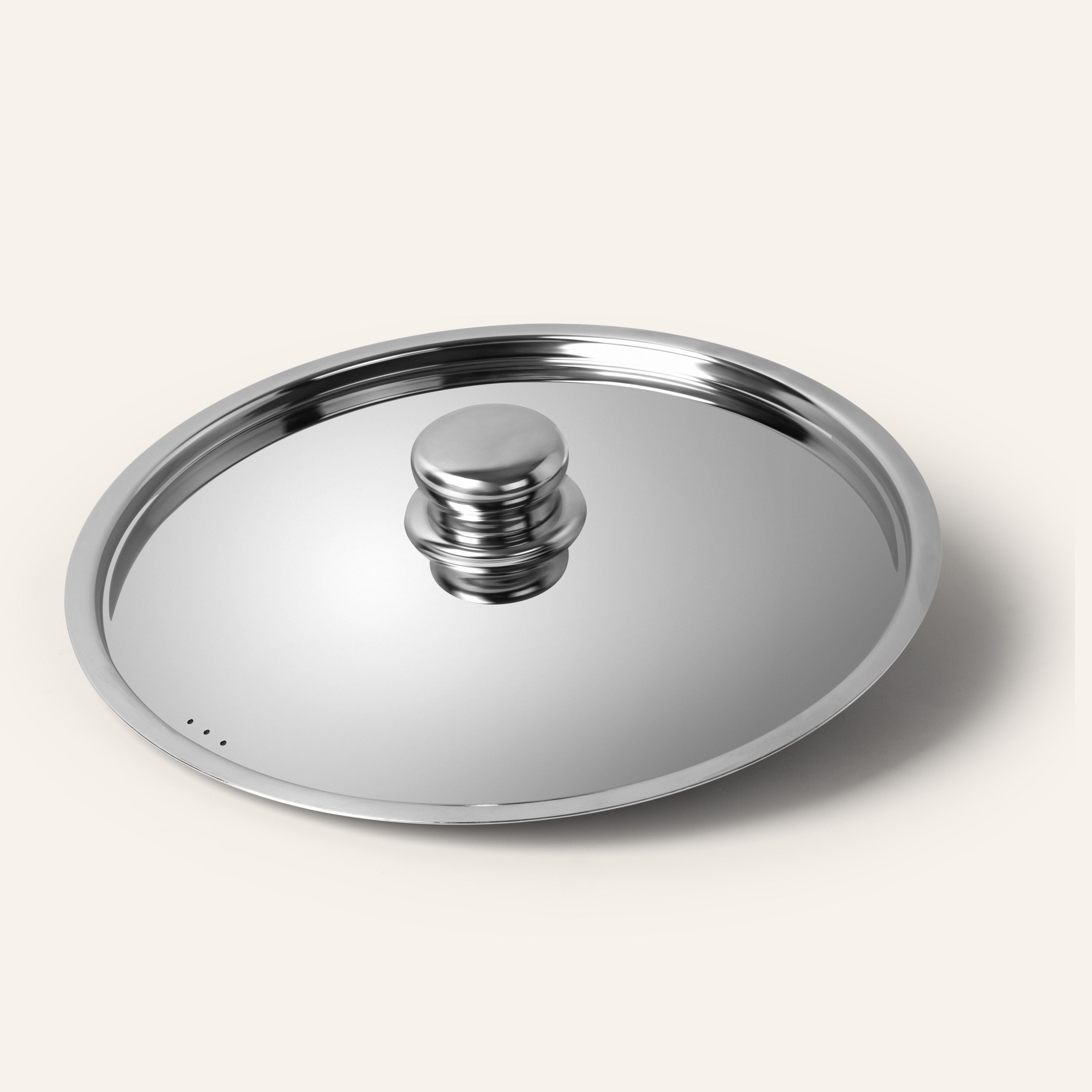
 Tampa para panela em titânio Hammered Pan Pro
 Trevo de madeira de cerejeira
 Cherry Wood Mini Trivet
 Cubos de gelo em titânio para bebidas – Reutilizáveis | Siraats Kitchen
 Palhinhas de titânio
 Filtro de chá em titânio
 Tapete de silicone antiderrapante para tábua de corte | Siraats Kitchen
 Tapete Diatomita – Antracite | Ultra-higiénico, de secagem rápida e resistente ao bolor
 Garrafa de água em titânio


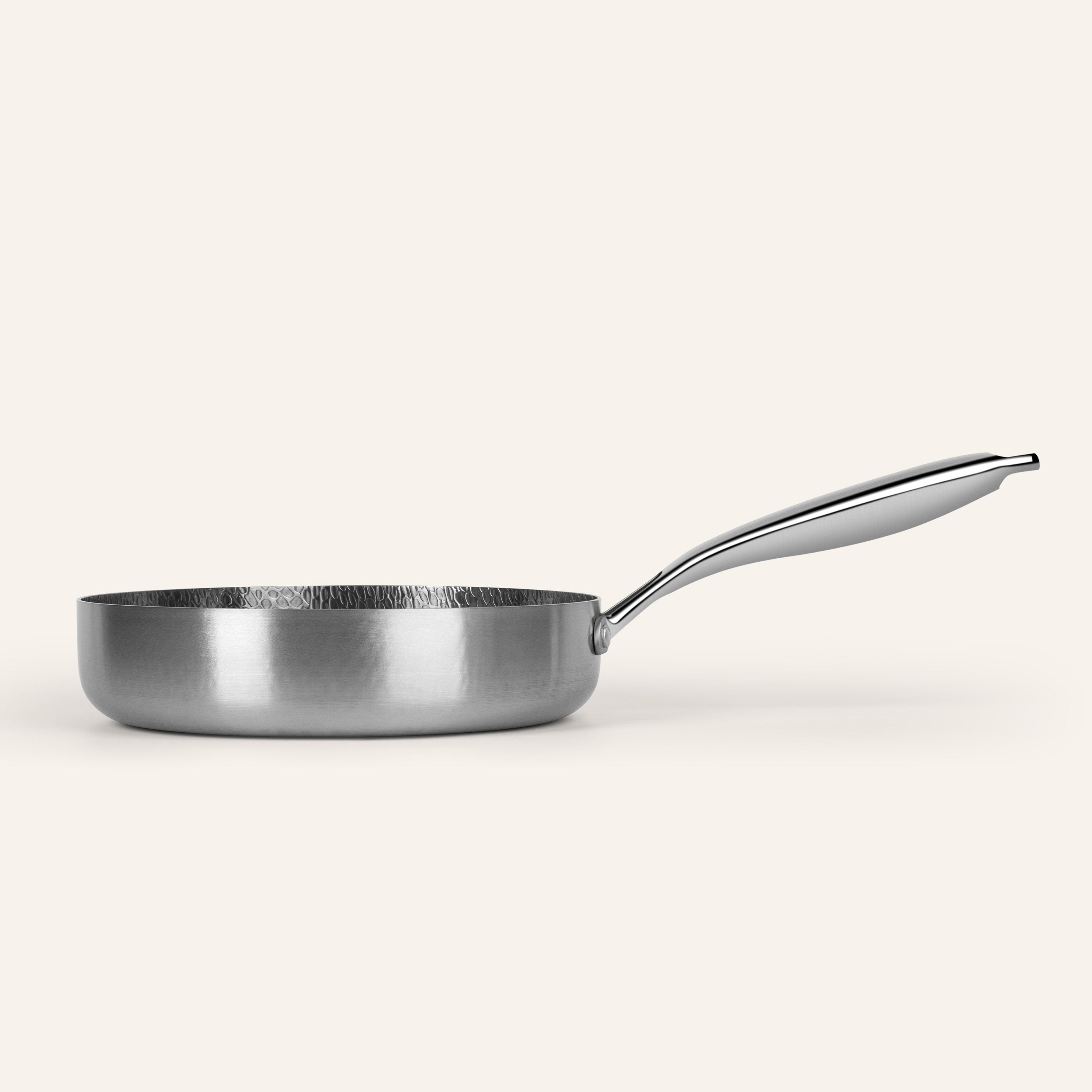
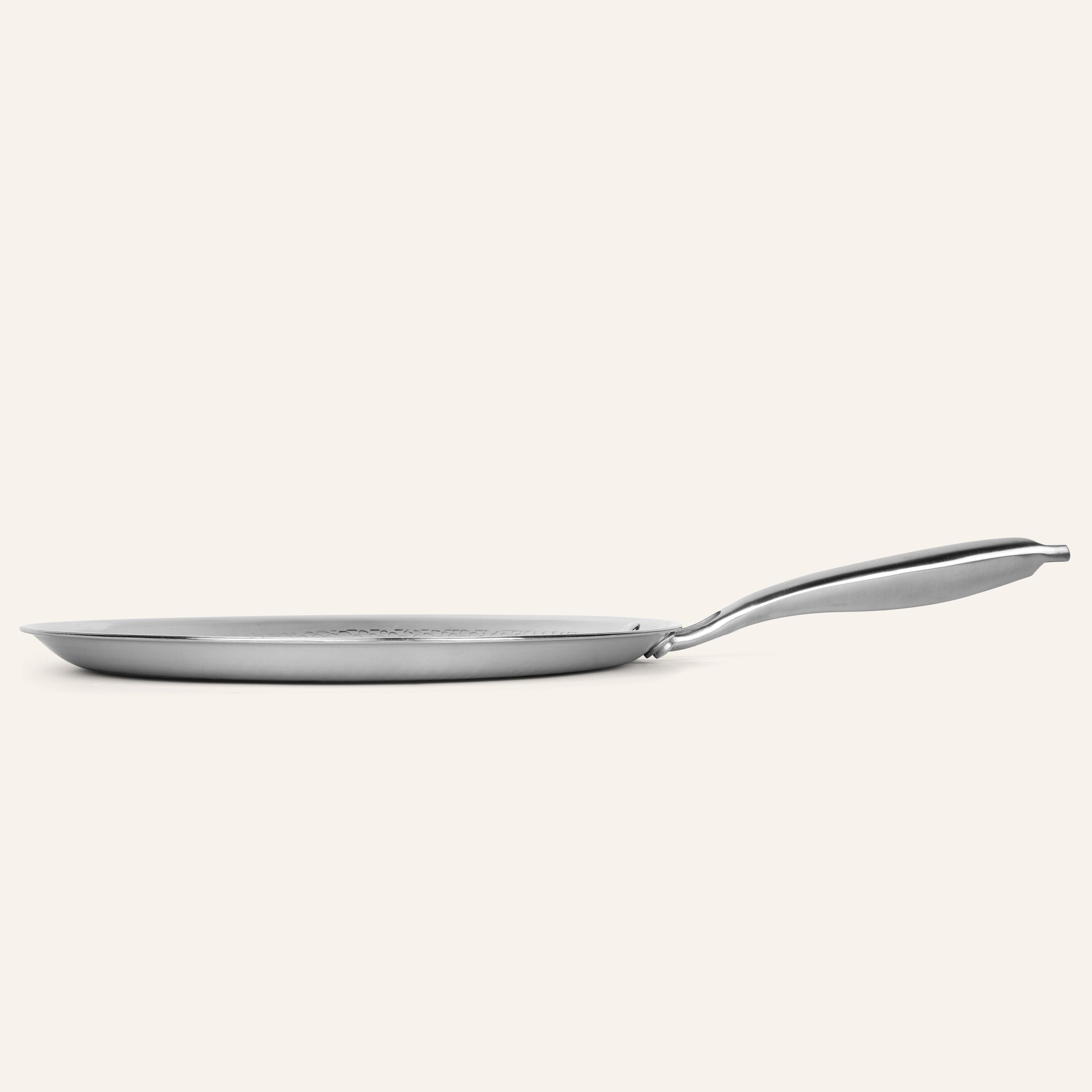
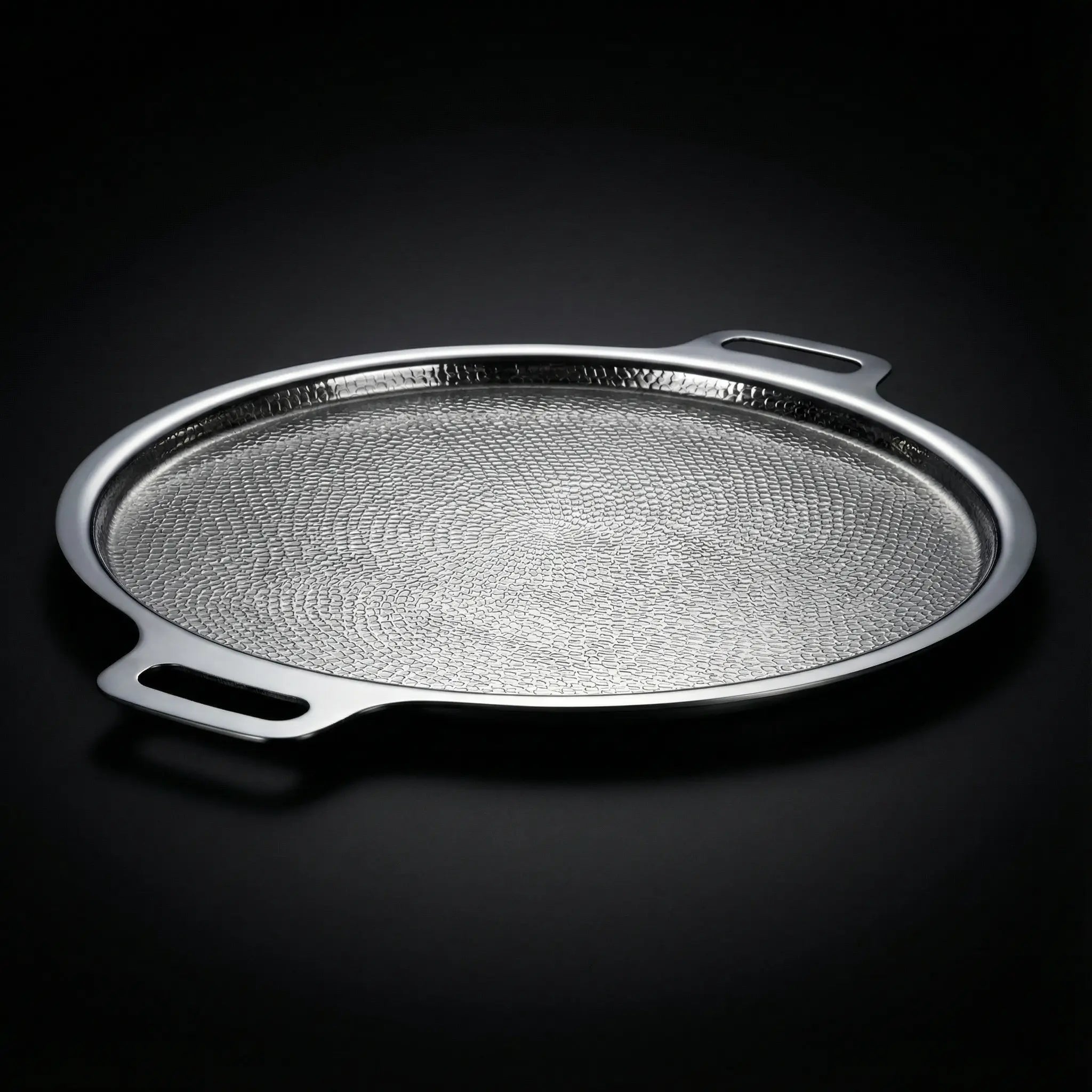
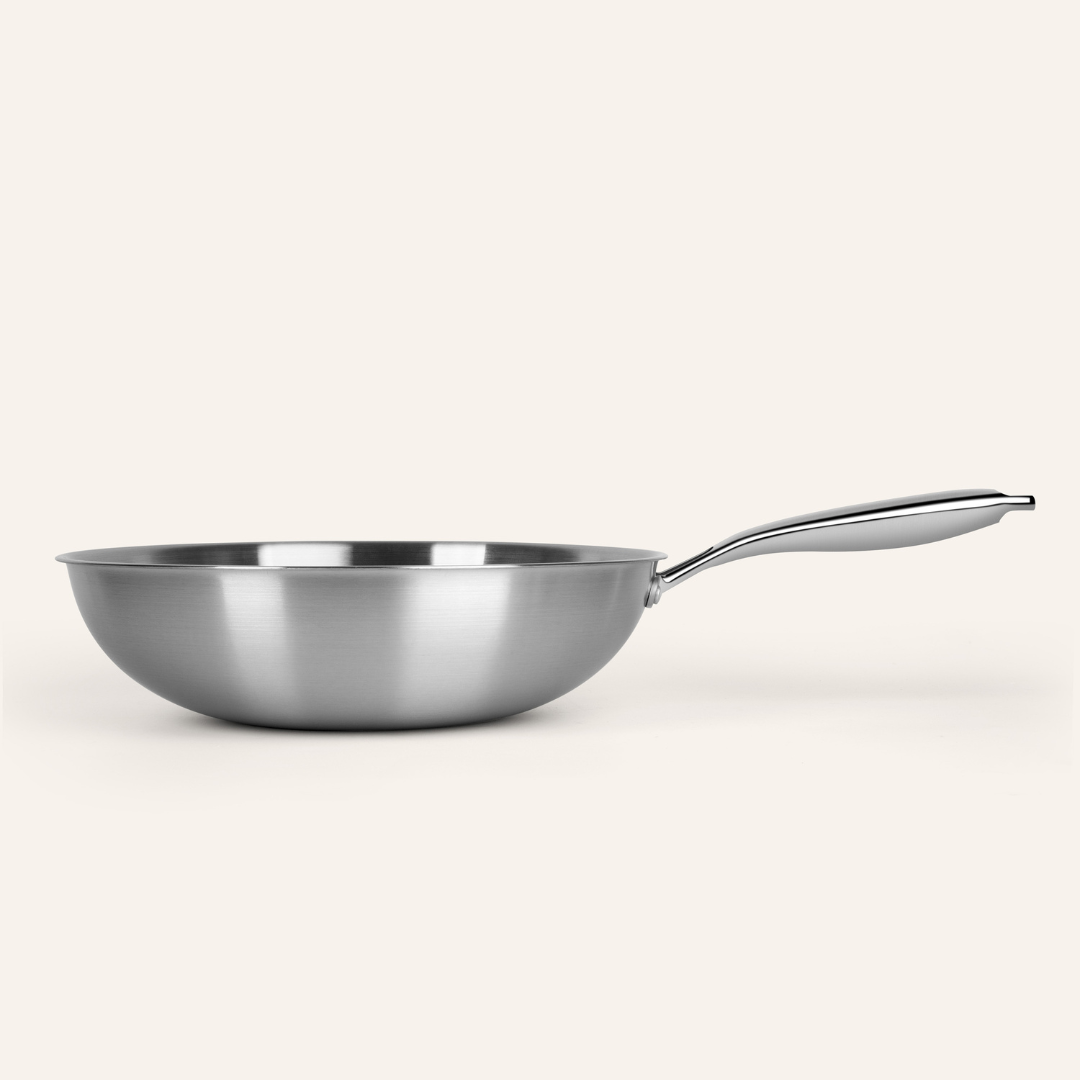
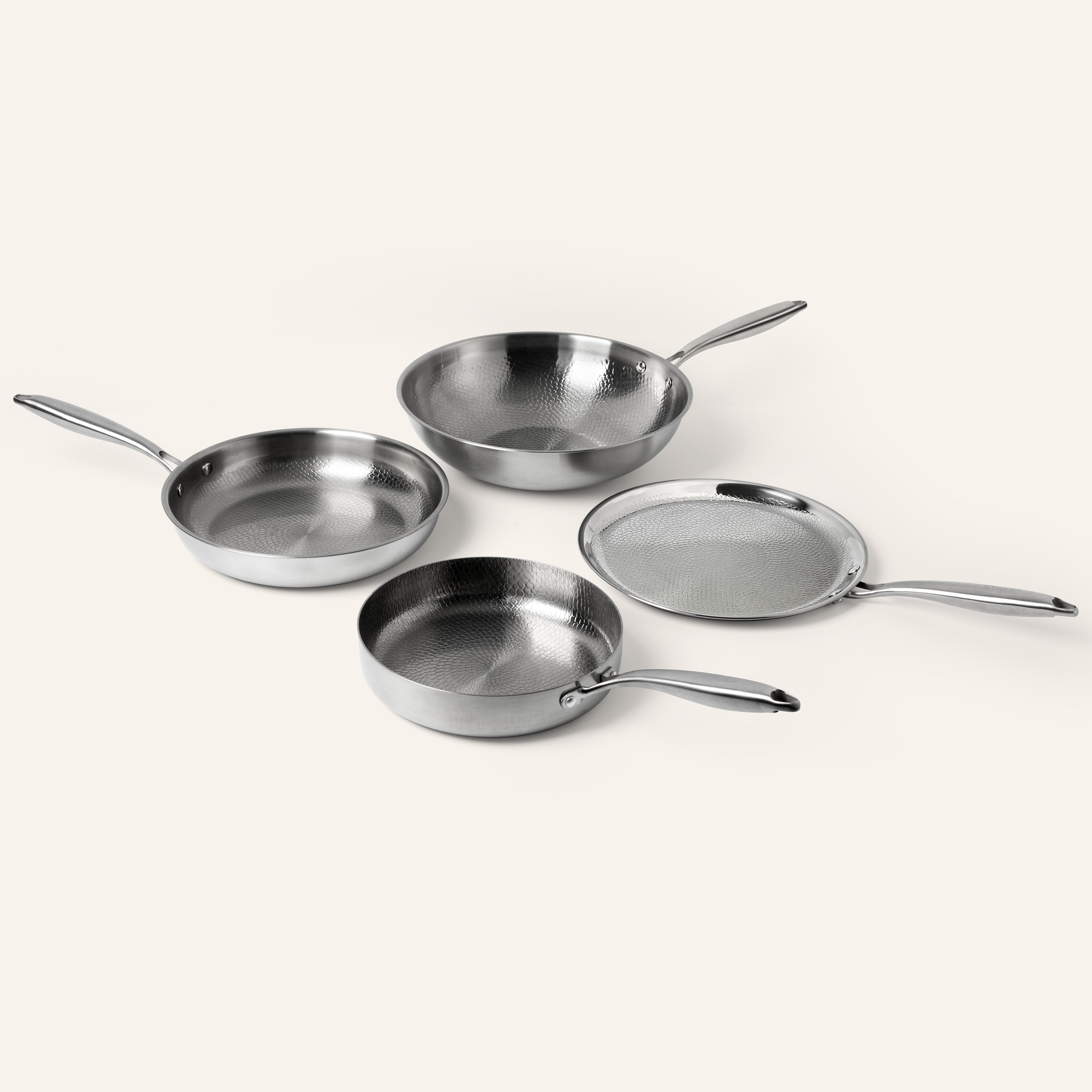
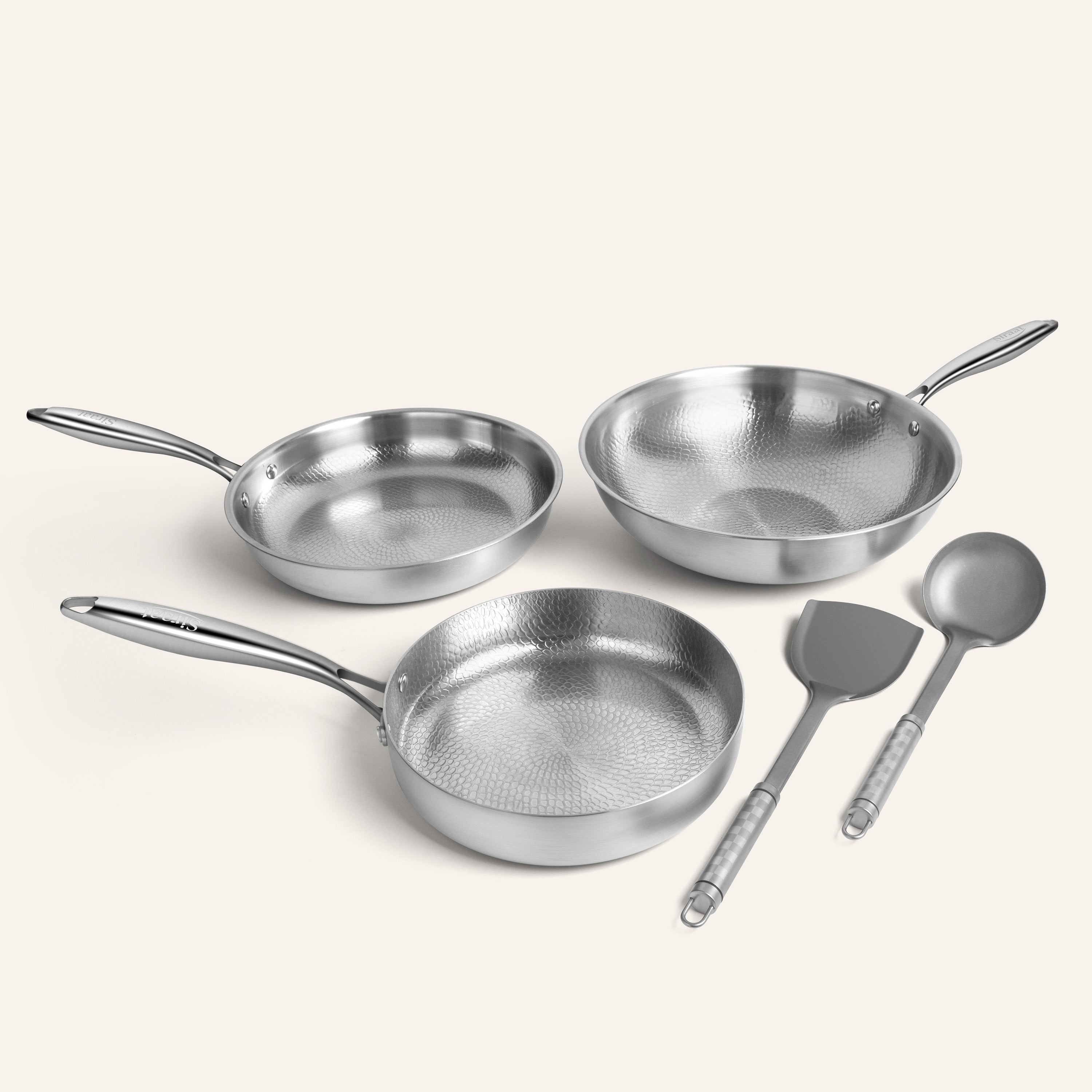
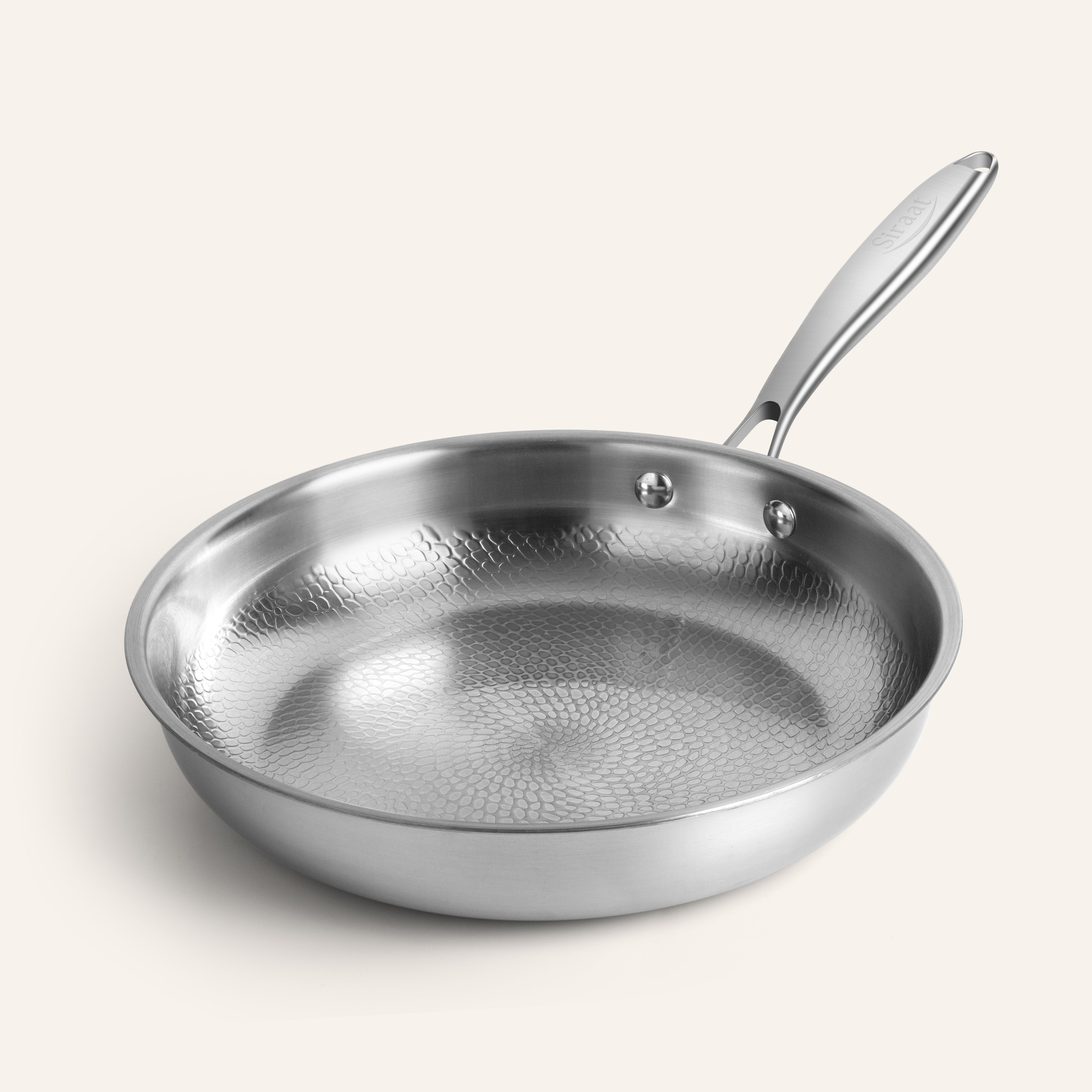

Titanium cookware is known for being durable, non-reactive, and easy to maintain – but proper cleaning still plays an important role in preserving its performance and appearance. The good news is that titanium pots and pans don’t need complicated care routines or special products to stay clean and safe to use.
Ideally, titanium cookware should be cleaned after every use to prevent residue buildup and maintain hygiene. Occasional deep cleaning might be needed if light discoloration or burnt-on deposits develop. This guide explains how to clean titanium cookware properly, including daily habits, deep cleaning methods, dishwasher safety, and things to avoid to keep your titanium pans performing like new.
Daily Cleaning: How to Clean Titanium Cookware After Each Use
Cleaning your titanium cookware daily is the easiest way to maintain its performance over time. Thanks to its non-reactive and durable surface, everyday cleaning is simple and doesn’t require harsh chemicals or aggressive scrubbing.
Letting the Pan Cool Before Washing
In general, it’s recommended to avoid extreme temperature changes. Always allow your titanium pan to cool down after cooking before rinsing or washing it with cold water. Sudden temperature shifts can cause thermal stress, which may impact the pan’s appearance over time. Letting the pan cool down before washing also makes it easier to remove any remaining food residue and helps preserve the surface.
Warm Water, Mild Soap, and a Soft Sponge
For everyday cleaning, warm water, mild dish soap, and a soft sponge or cloth are usually all you need. Gently wash the surface to remove oils or any light food residue. Titanium cookware doesn’t absorb odors or flavors. Its non-reactive nature helps keep meal flavors intact, which is especially valuable for sensitive individuals, and also makes cleanup easier overall.
In most cases, abrasive scrubbers should be avoided, as they may affect the surface finish. If residue becomes stuck and can’t be removed with gentle washing, always refer to the manufacturer’s care recommendations before using more aggressive cleaning methods.
Preventing Water Spots and Maintaining Appearance
Drying your cookware promptly after washing helps prevent water spots and mineral marks caused by hard water. In some cases, exposure to high heat may lead to subtle changes in surface appearance, depending on the cookware’s finish. This is generally cosmetic and doesn’t affect safety or performance. Simply wiping the pan dry with a soft towel keeps it looking clean and well-maintained.
Deep Cleaning Titanium Pans When Residue Builds Up
Even with non-stick titanium cookware, including pans with a hammered surface, occasional buildup can occur under certain cooking conditions. High heat, oils, or sugary ingredients may leave residue behind over time. While titanium is highly resistant to damage, periodic deep cleaning helps restore the pan’s appearance and keeps the cooking surface performing at its best.
Removing Burnt-On Food Safely
If food becomes stuck or burnt onto the surface – typically following high-heat use of sugary or oily ingredients – start by filling the pan with warm water and letting it soak for a short period of time. Adding a small amount of dish soap can help loosen the residue. Once softened, use a soft sponge or a brush to gently lift the food from the surface. Avoid aggressive scrubbing or using sharp tools, as these might affect the cookware’s finish. For more stubborn buildup, gently warming the pan with water inside can help release residue before cleaning.
Using Baking Soda or Vinegar on Titanium Pans
Baking soda is a safe option for deep cleaning titanium cookware. Create a paste using baking soda and a small amount of water, then apply it to the affected area. Let it sit for several minutes before rinsing or gently scrubbing it with a soft sponge. This helps remove stains, oil residue, and light discoloration without damaging the surface.
Vinegar can be used occasionally to help remove mineral stains. Apply a small amount to the surface, wipe gently, and rinse thoroughly. As with any deep-cleaning method, these treatments should be used sparingly and followed by thorough rinsing to maintain the cookware’s finish.
When Soaking Is (and Isn’t) Helpful
Soaking titanium pots and pans can be helpful when dealing with stubborn food residue, especially after cooking sticky or sugary foods. A short soak in warm water can help release the leftover food and make cleaning easier.
However, prolonged soaking is rarely necessary. Because titanium is non-reactive and doesn’t absorb food or odors, extended soaking won’t improve results and may simply waste time. For best results, soak briefly, clean gently, and dry thoroughly.
Occasional Re-Seasoning (Optional)
While titanium cookware doesn’t rely on a synthetic non-stick coating, some manufacturers suggest occasional light oil conditioning to help enhance food release and make daily cooking and cleanup easier. This “re-seasoning” typically involves applying a thin layer of high-smoke-point oil to a clean pan and gently heating it before wiping off any excess.
This process doesn’t chemically bond oil to the metal like you’d see with cast iron, but it can help build a temporary layer that improves release during everyday cooking. For many users, performing this every few months – or when you notice sticking beginning – is sufficient. Always check your cookware’s care instructions for specific guidance.
Is Titanium Cookware Dishwasher Safe?
Many titanium cookware pieces are dishwasher safe, but this depends on the way the pan is constructed and finished. High-quality titanium cookware is naturally corrosion-resistant and durable, which means it can withstand regular washing, even in a dishwasher.
That said, not all titanium pots and pans are the same. Some have layered bases, specialized finishes, design elements, or are mixed with other materials. For this reason, it’s always best to check the manufacturer’s instructions before placing titanium cookware in a dishwasher.
Even when a titanium pan is labeled dishwasher safe, hand washing is generally recommended whenever possible. Gentle hand washing helps preserve the cookware’s appearance and finish over time.
Quick Cleaning Checklist for Titanium Cookware
| Do This | Avoid This |
|---|---|
| Mild soap + warm water | Abrasive scrubbers |
| Soft sponge or cloth | Harsh chemicals or bleach |
| Occasional baking soda for buildup | Thermal shock (hot pan → cold water) |
| Let the pan cool before washing | Improper stacking or storage |
What to Avoid When Cleaning Titanium Cookware
While titanium cookware is highly durable, certain cleaning habits can help preserve its appearance and cooking performance over time. Using abrasive scrubbers, such as steel wool (iron sponge), is not recommended, unless the manufacturer specifically states they are safe to use.
Strong chemical cleaners or bleach should also be avoided. Titanium pans don’t need aggressive chemicals to stay clean. Harsh products can also contribute to surface wear or dull the finish.
Avoid exposing titanium cookware to sudden temperature changes. While titanium pans are scratch-resistant, proper storage can help maintain the surface finish over time. Stack cookware carefully or place a soft cloth between pieces to prevent cosmetic wear.
Final Thoughts: Keeping Titanium Cookware Clean for Long-Lasting Performance
Cleaning titanium cookware is simple and low-maintenance compared to many other materials. Regular cleaning after each use, along with occasional deep cleaning when needed, is usually all it takes to keep titanium pans in excellent condition.
Thanks to its non-reactive and corrosion-resistant nature, cookware remains hygienic and reliable with minimal effort. With proper care, titanium cookware can maintain both its performance and appearance for years to come.