BUNDLES & SETS
 Panela Pro Mini Martelada em Titânio
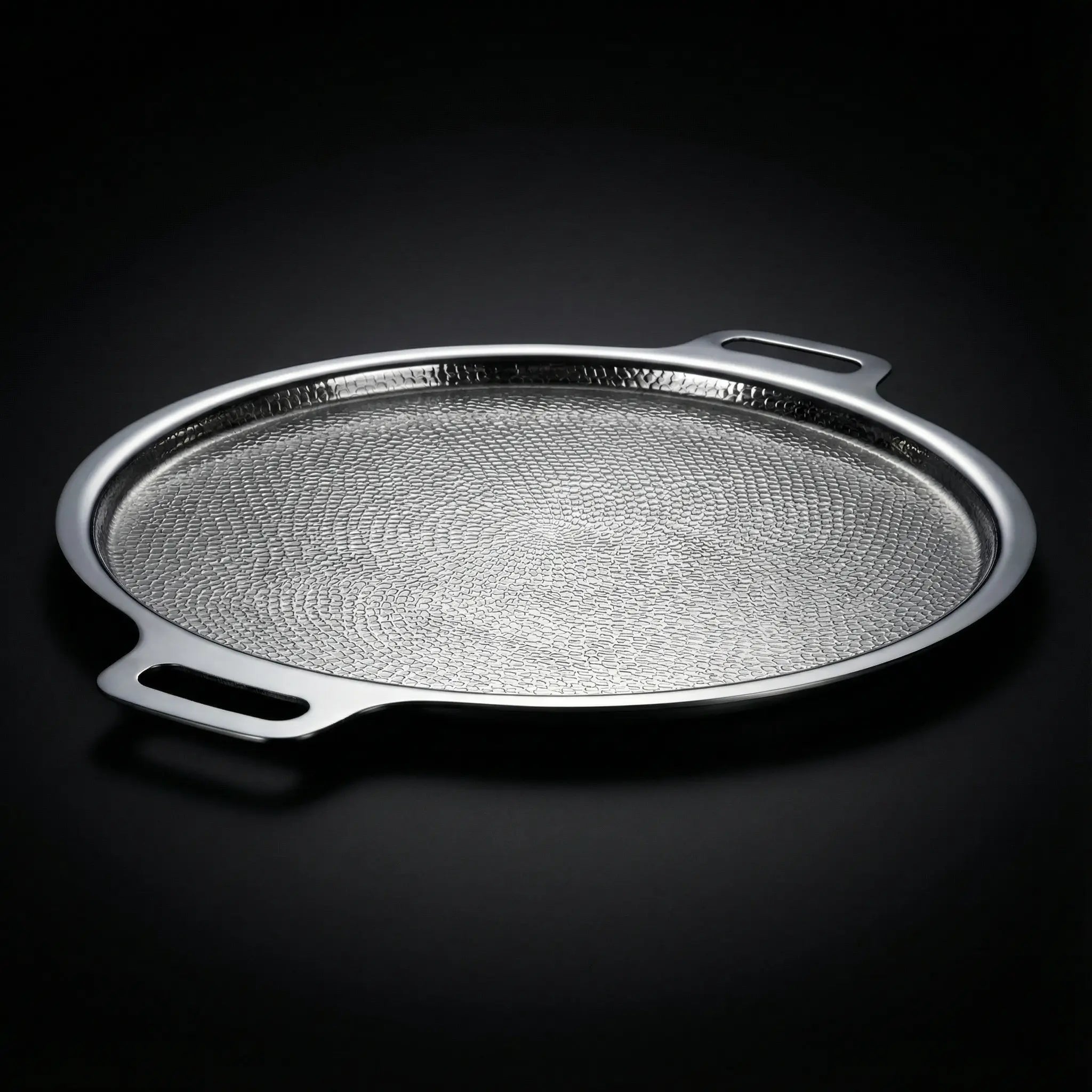
 Titanium Hammered Pizza Steel
 Panela Pro Martelada em Titânio
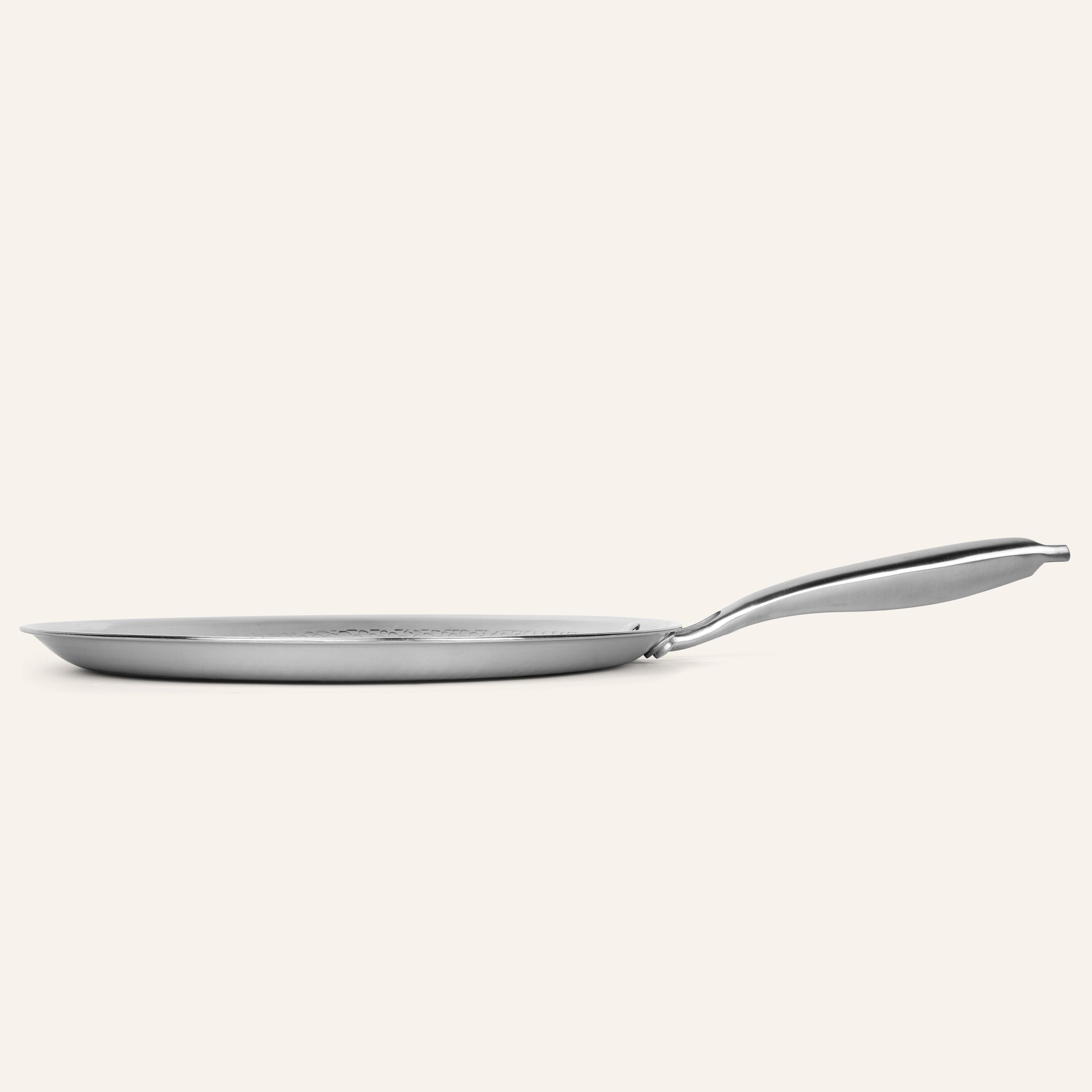
 Crepe Pan Pro em Titânio Martelado
 Panela Pro Martelada em Titânio
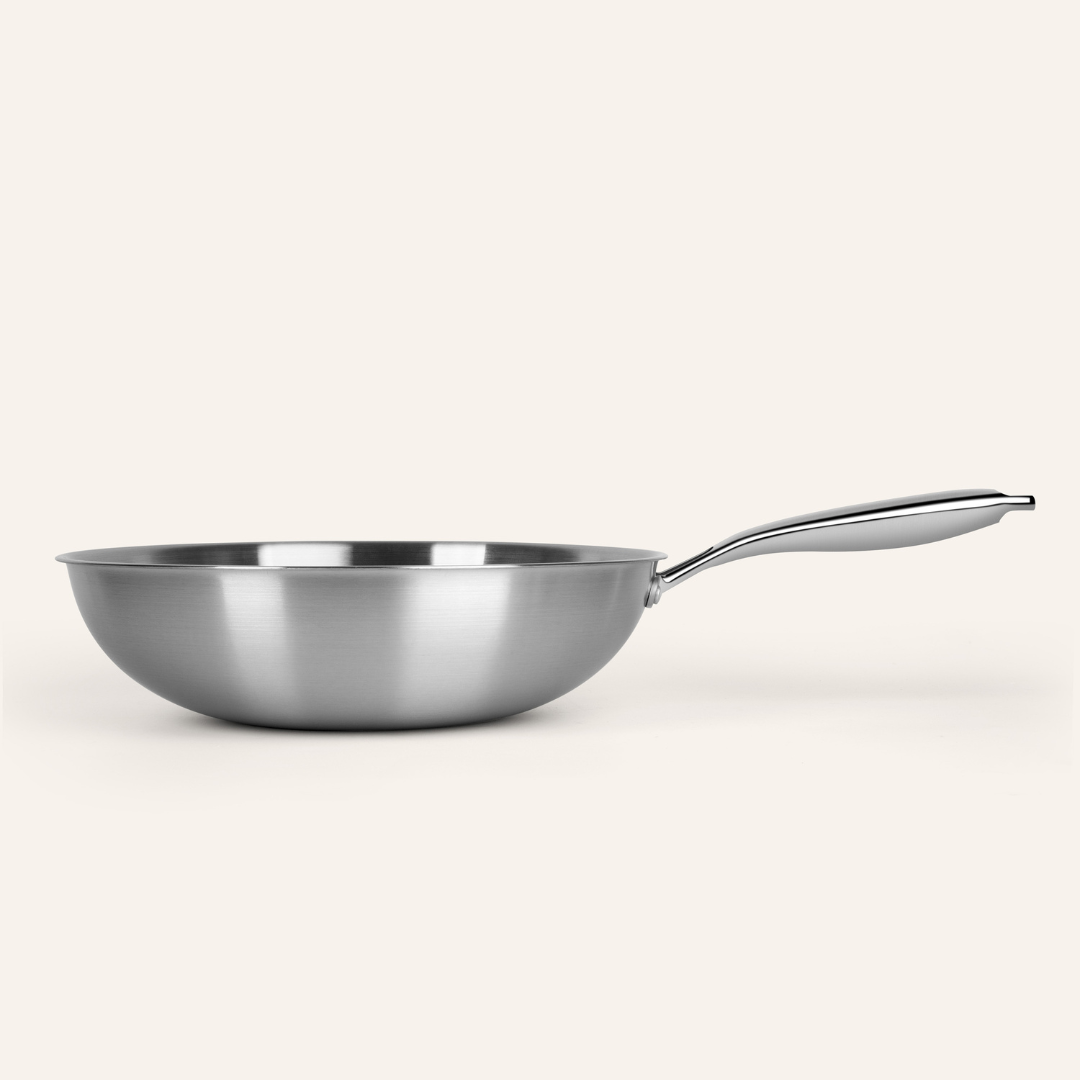
 Panela Wok Pro Martelada em Titânio
 Panela Pro Martelada em Titânio
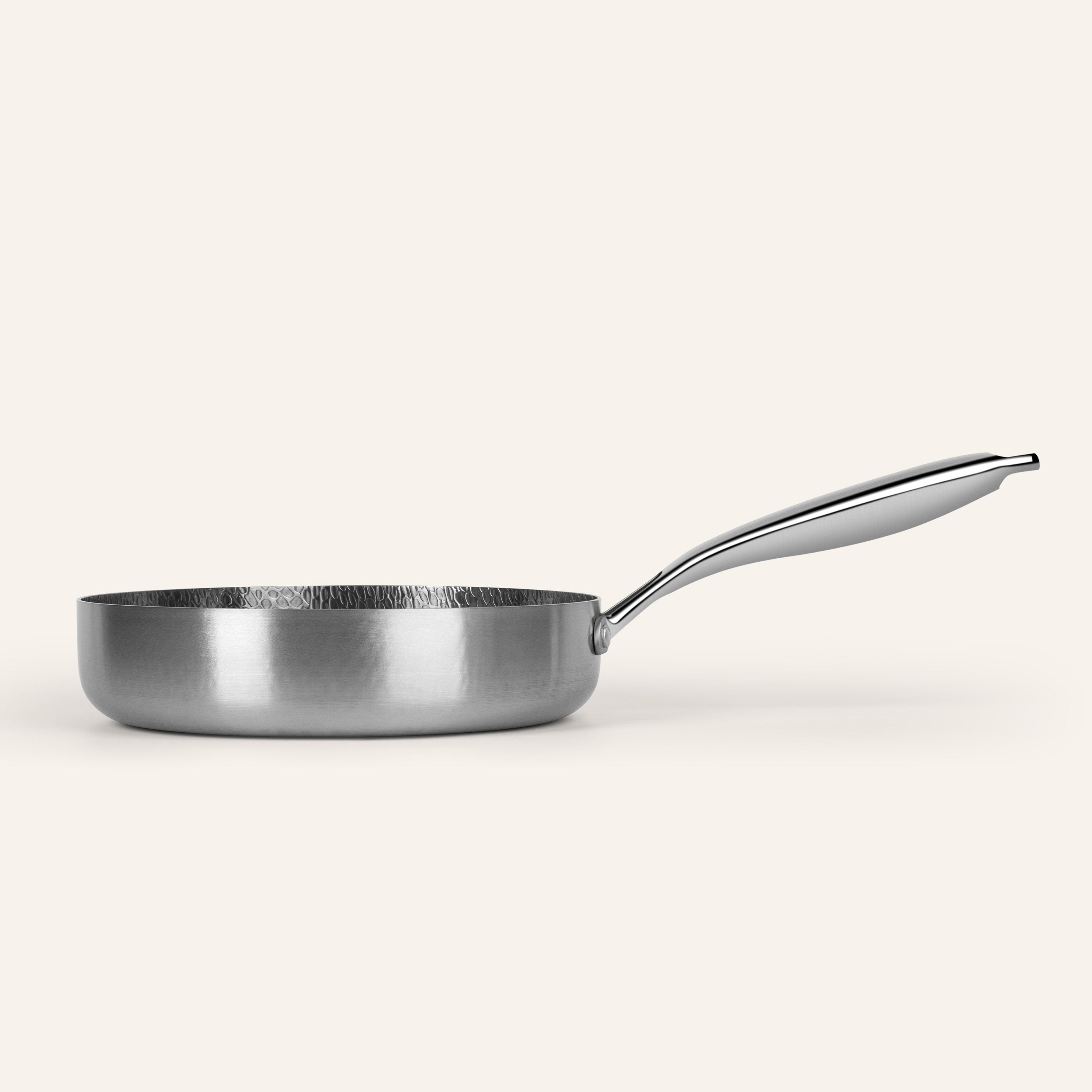
 Panela Profunda Pro Martelada em Titânio
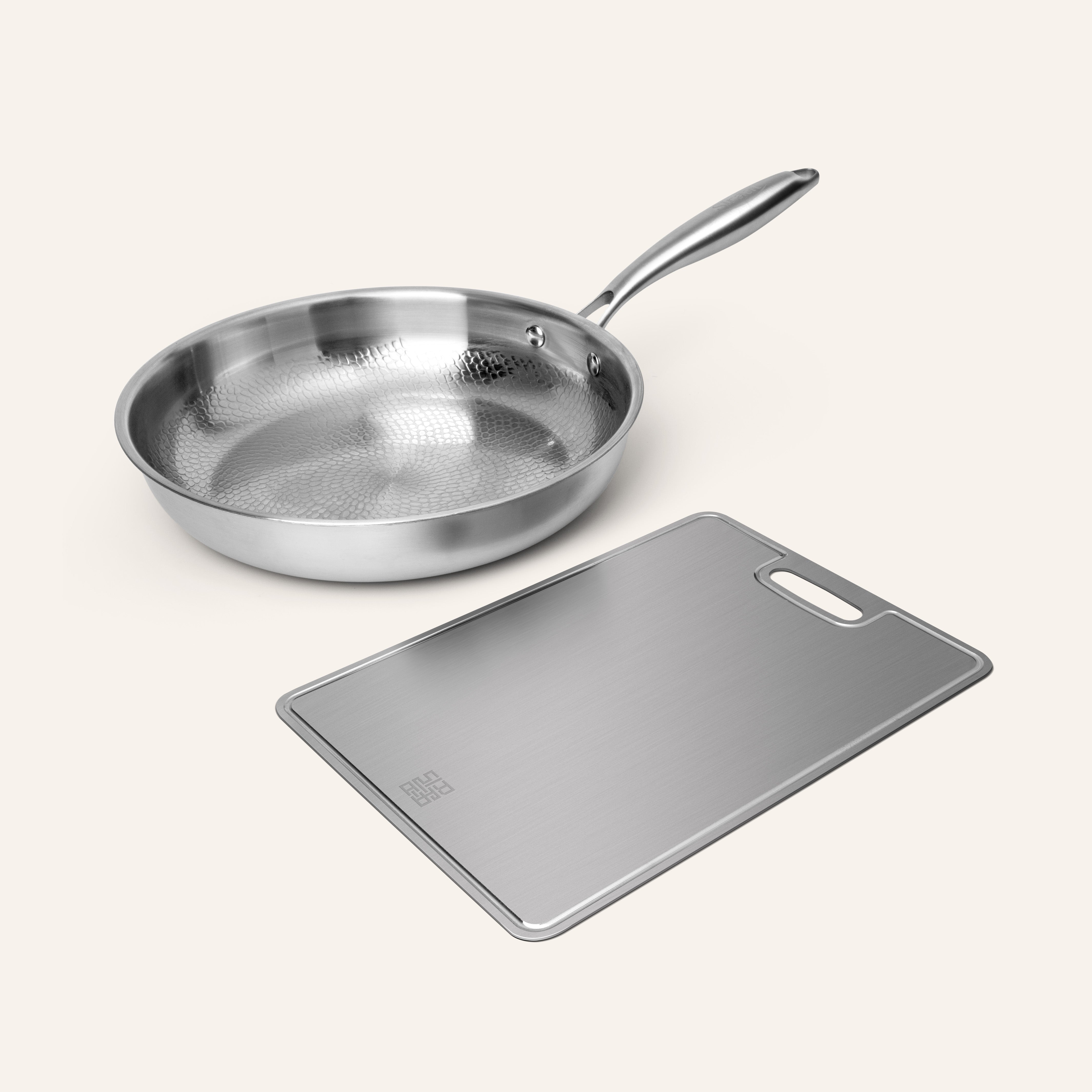
 Tábua de Corte em Titânio V2
 Pacote de tábuas de corte em titânio V2
 Tábua de Corte em Titânio V1
 Siraat Signature Apron (Azure)
 Siraat Signature Apron (Oak)
 Siraat Signature Apron (Moss)
 Siraat Signature Apron (Ember)
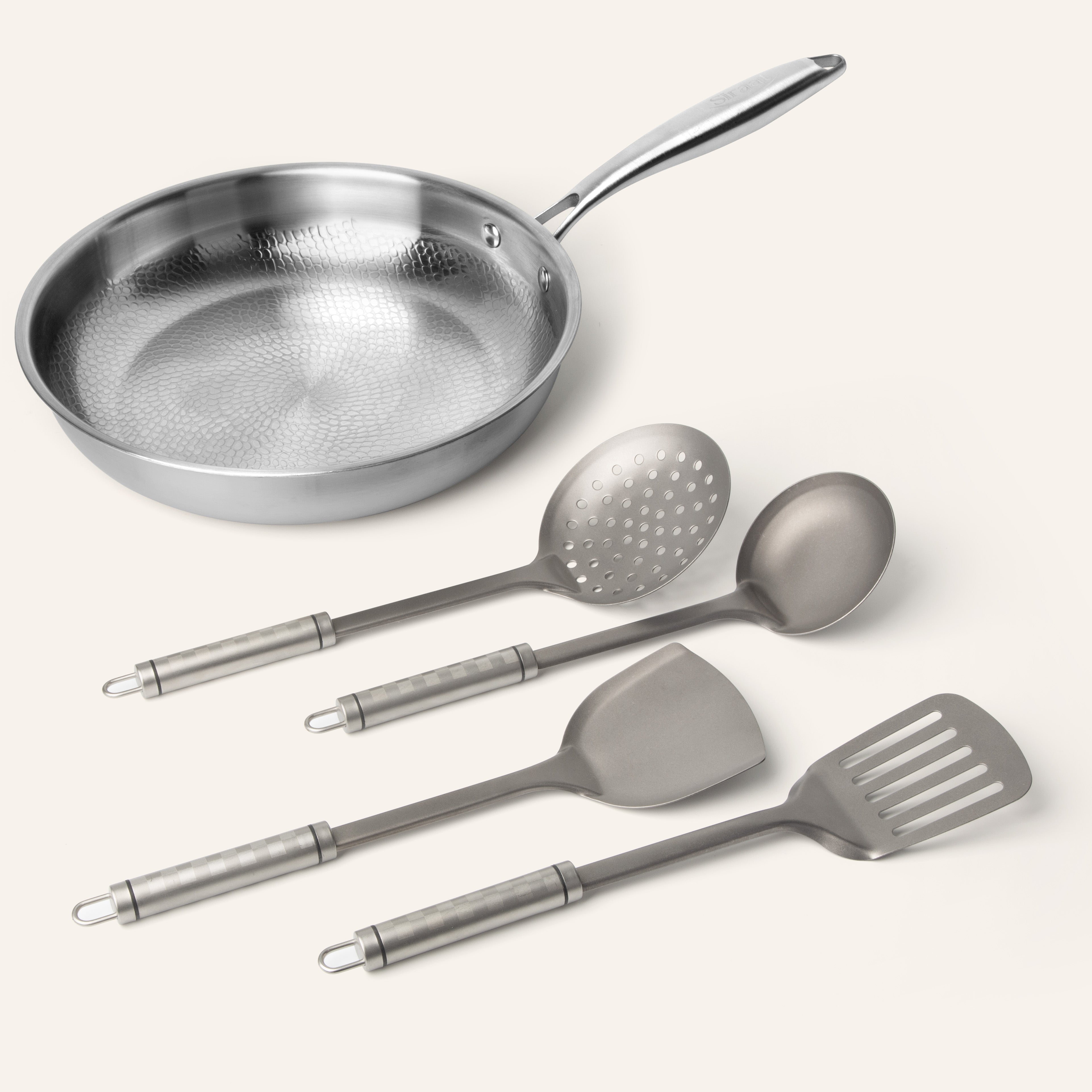
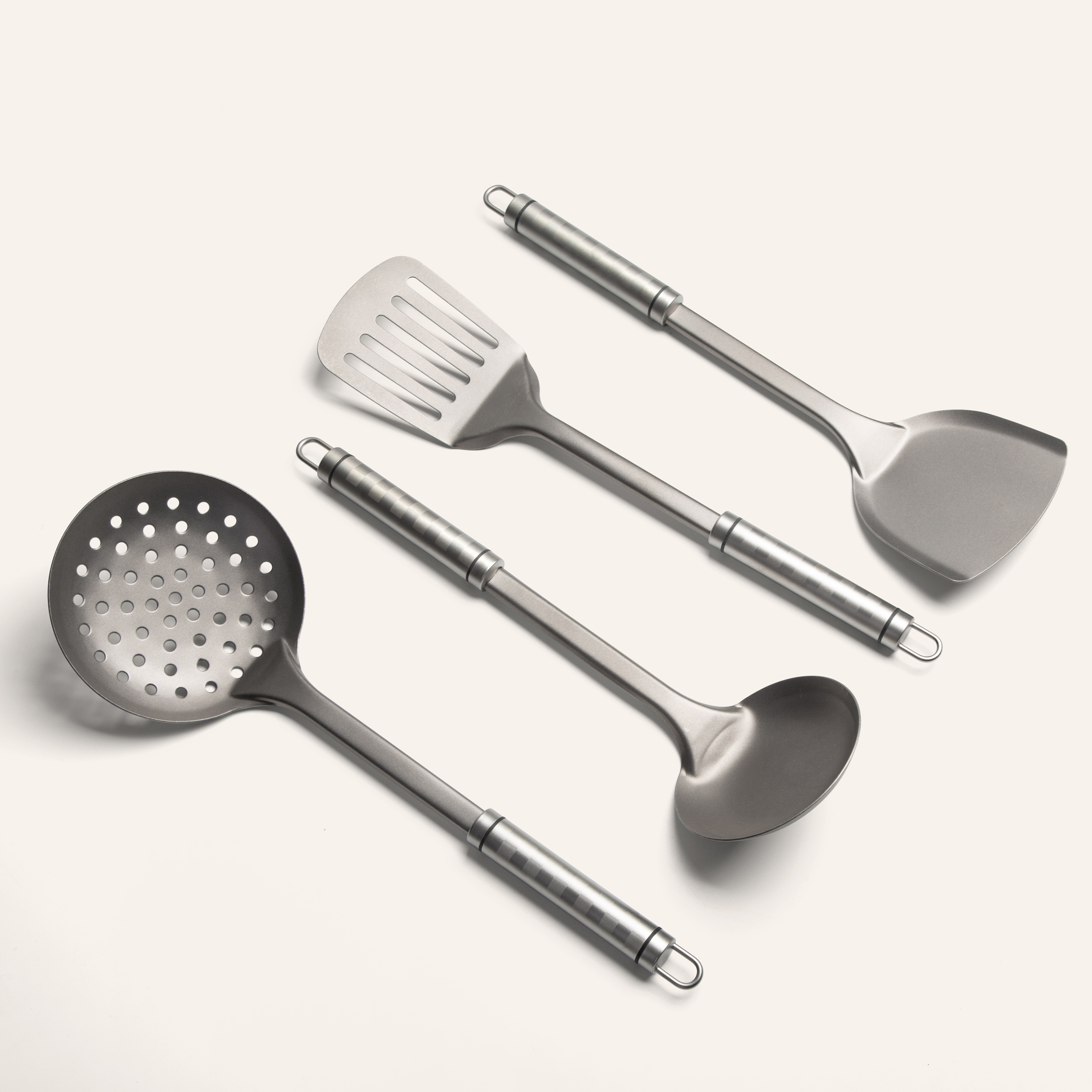
 Utensílios Siraat Pure Titanium
 Afiador de facas giratório - Diamante e cerâmica
 Trevo de madeira de cerejeira
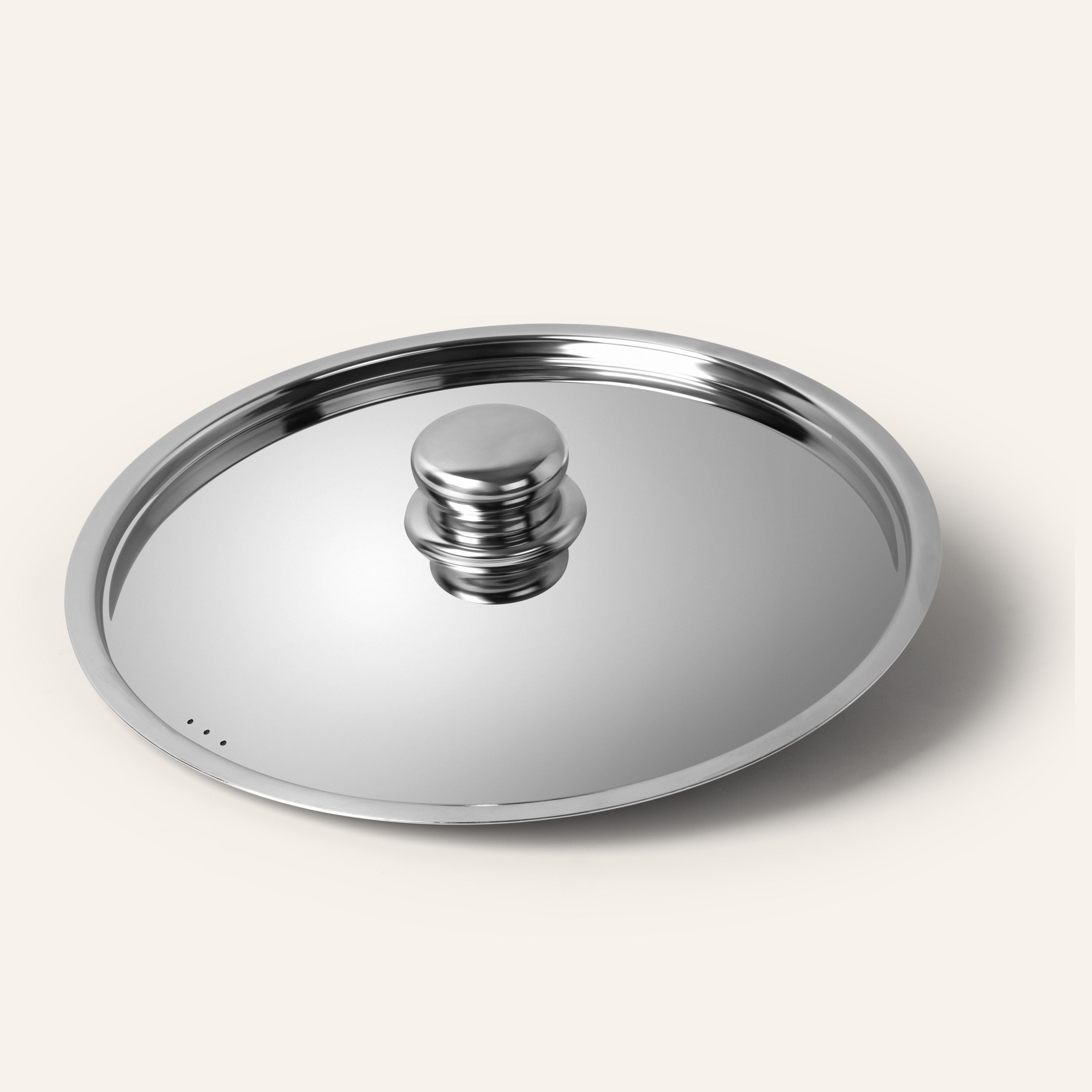
 Tampa para panela em titânio Hammered Pan Pro
 Trevo de madeira de cerejeira
 Cherry Wood Mini Trivet
 Cubos de gelo em titânio para bebidas – Reutilizáveis | Siraats Kitchen
 Palhinhas de titânio
 Filtro de chá em titânio
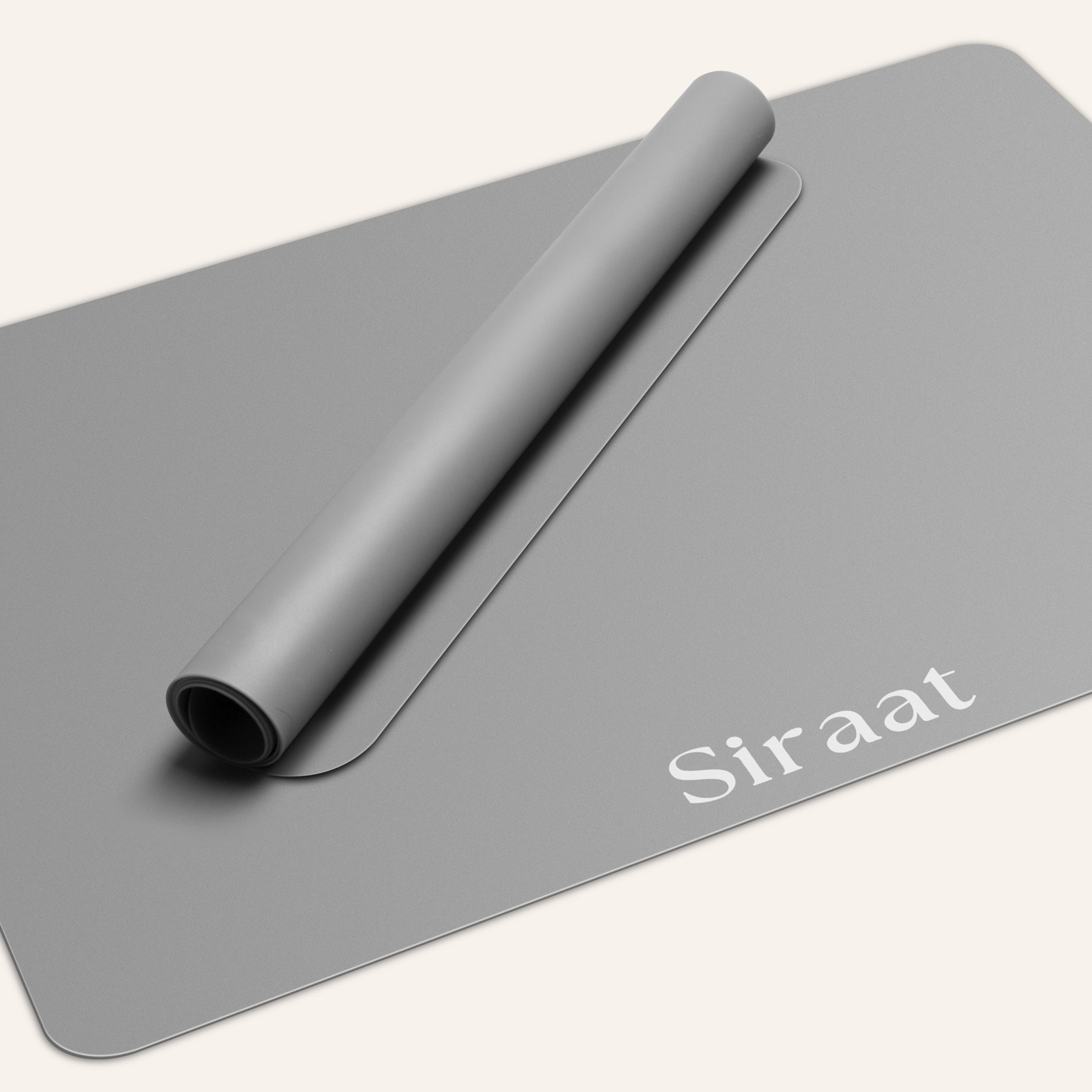
 Tapete de silicone antiderrapante para tábua de corte | Siraats Kitchen
 Tapete Diatomita – Antracite | Ultra-higiénico, de secagem rápida e resistente ao bolor
 Garrafa de água em titânio


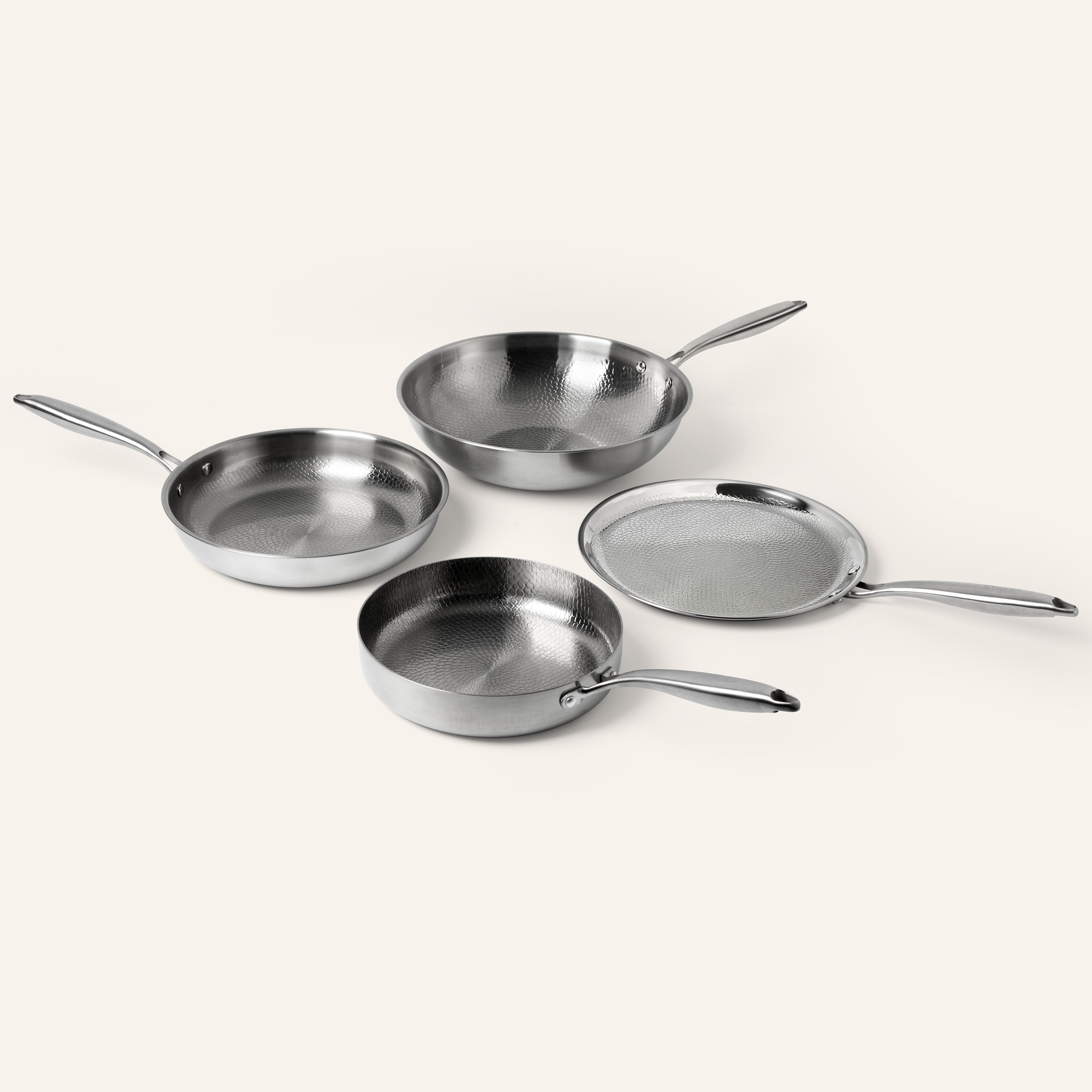
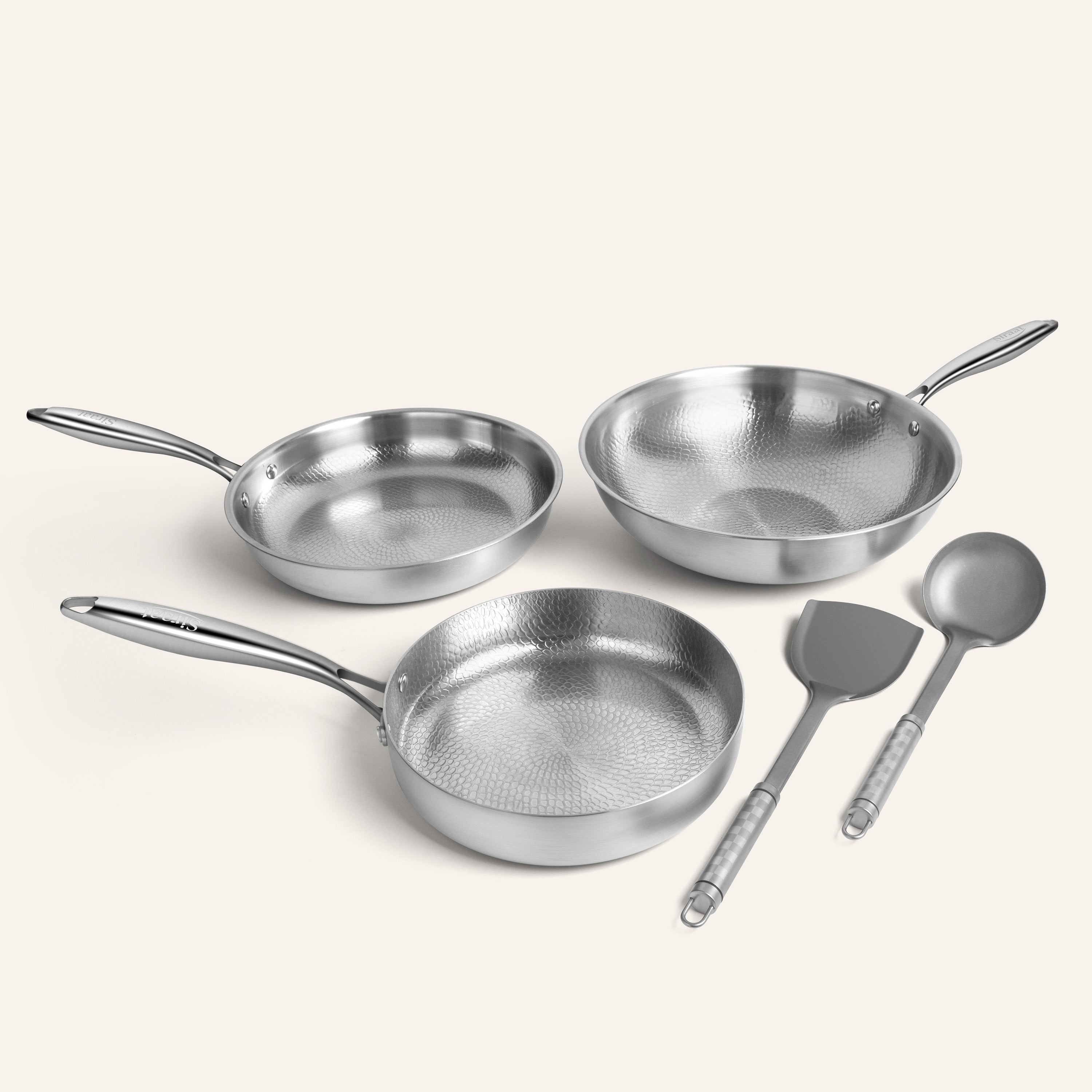
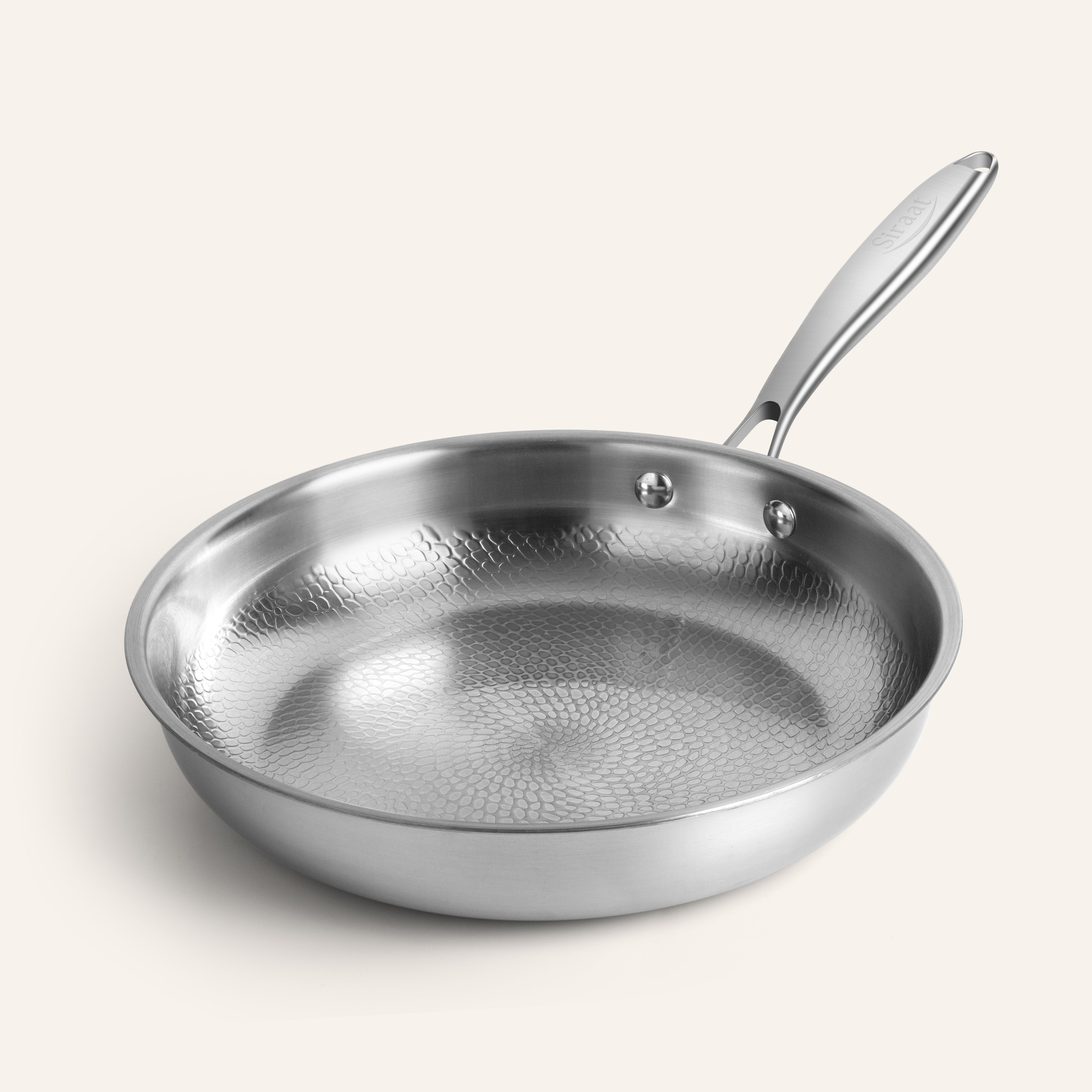

Non-stick pans are a staple in many kitchens thanks to their convenience. They typically last up to 5 years. While non-stick pans are designed to simplify cooking, their lifespan is often much shorter than expected. Proper care may extend their overall durability – but longer-lasting alternatives are often worth considering.
How Long Do Non-Stick Pans Last & What Affects Their Lifespan?
For most households, a traditional non-stick pan generally lasts between 1 and 5 years, depending on the coating quality, frequency of use, and how well it’s maintained. While non-stick cookware is valued for convenience and ease of cooking, the lifespan is often shorter than what many people expect. How long do non-stick pans last depends on:
Type of Non-Stick Surface
The type of non-stick surface plays the biggest role in determining how long a non-stick pan lasts. Most traditional non-stick pans have either a synthetic or ceramic coating applied to the cooking surface. Generally, the synthetic coating is based on polytetrafluoroethylene (PTFE). Over time, both types gradually wear down, lose their effectiveness, or begin to peel, regardless of how carefully the pan is used.
The non-stick coating may raise certain safety concerns. While generally safe, prolonged exposure to high heat or normal wear over time can increase the risk of unwanted particles or chemical residues entering food. By contrast, pans without synthetic non-stick coating – such as hammered-surface titanium pans – don’t rely on a layer that can wear off. Because there is no coating to degrade or peel, this type of surface maintains its cooking performance over time and significantly extends the usable lifespan of the pan.
Heat, Utensils & Daily Use
Heat exposure is one of the most common reasons why non-stick pans degrade prematurely. High heat – especially when a pan is heated too quickly, only has a small amount of oil, or is left empty – can break down the non-stick coating.
Utensils choice also matters. Metal utensils can scratch or chip coated surfaces, shortening the pan’s lifespan. Even with recommended silicone or wooden tools, daily use can gradually erode the coating. For households that cook frequently, the daily wear adds up quickly – making traditional non-stick pans less suitable for long-term high-volume cooking.
Maintenance & Care Habits
While care and regular maintenance can extend the lifespan of non-stick pans, they cannot prevent eventual degradation. Gentle washing, avoiding abrasive sponges, and allowing pans to cool before cleaning all help preserve the coating for longer.
However, even with ideal care habits, traditional non-stick pans gradually lose their effectiveness. This happens through normal cooking and cleaning over time, which means most coated non-stick pans need to be replaced after a few years regardless of how carefully they’re used.
When Should You Replace Your Non-Stick Pan?
The best time to replace your non-stick pan is when it becomes visibly scratched or the coating is damaged in any way. You should also consider replacement when sticking persists despite proper use, the surface becomes uneven or warped, or permanent discoloration appears.
It’s important to note that even if your pan is relatively new, if the coating is peeling, flaking, or is visibly worn, the pan should no longer be used. Once the coating is compromised, food is more likely to stick and there is an increased risk of unwanted particles being released into meals.
Additional signs that a non-stick pan has reached the end of its lifespan include burnt-on residue, uneven heating, or a pan that no longer sits flat on the stovetop. Continuing to use a pan in this condition can be frustrating and unsafe. At this point, many cooks choose to replace traditional non-stick cookware with more durable alternatives, such as titanium cookware designed to last significantly longer without relying on fragile coatings.

How Long Do Different Cooking Pans Last?
Traditional Non-Stick Pans
Coated non-stick pans generally have a relatively short lifespan. While they are convenient to cook with, their biggest drawback is limited durability. Initially, many non-stick pans are budget-friendly, but repeated replacement over time can increase overall cost. Their lifespan tends to shorten when exposed to high heat, metal utensils, dishwashers, or abrasive cleaning.
Best for:
Short-term convenience, low-heat cooking, users who don’t mind replacing cookware regularly.
Titanium Pans
Many titanium pans are designed to last decades – even a lifetime. Unlike traditional non-stick pans, titanium cookware does not rely on synthetic coating to perform well. Solid titanium surfaces are naturally non-reactive, non-toxic, corrosion-resistant, and extremely strong. Hammered titanium surfaces also offer virtually non-stick experience without the need for coating.
Titanium pans are very easy to maintain and quick to clean. Because the material doesn’t degrade easily, pans maintain their performance and safety over time. That is why titanium cookware is often described as “the last pan you’ll ever need”.
Best for:
Everyday cooking, health-conscious households, long-term investment, users who want durability without frequent replacement.
Stainless Steel Pans
With proper care, stainless steel pans can also last a long time – 10 to 20 years, depending on their quality and construction. They do not rely on coatings, and when used correctly, they can deliver great results. However, stainless steel is not inherently non-stick and requires proper preheating, oil control, and temperature management to prevent sticking.
The need for a proper cooking technique is their major drawback. While stainless steel pans can last a long time, they are less forgiving for everyday cooking and require more experience and maintenance to perform well.
Best for:
Experienced cooks, high-heat cooking techniques, users comfortable with precise temperature control and more frequent maintenance.
Cast Iron Pans
While cast iron pans are known for their longevity (often lifetime), they require proper maintenance for the best cooking performance. Cast iron needs regular seasoning – a baked-on oil layer that creates a protective and semi-non-stick layer.
Although cast iron pans are durable, the material is heavy, and is not always practical for everyday use. Improper care can lead to rust, surface damage, or loss of performance.
Best for:
Slow cooking, searing, users willing to invest time in maintenance.
| Pan Type | Average Lifespan | Non-Stick Performance | Maintenance Required | Long-Term Value |
|---|---|---|---|---|
| Traditional Non-Stick | 1 – 5 years | Very good (short-term) | Moderate (gentle care required) | Low |
| Titanium | Decades / Lifetime | Naturally low-stick | Very low | Excellent |
| Stainless Steel | 10 – 20 years | Technique-dependent | Moderate | Good |
| Cast Iron | Lifetime (with proper care) | With seasoned surface | High (seasoning and hand washing) | Good |
Care Tips to Maximize Pan Lifespan
Regardless of material, proper care plays a major role in how long cooking pans last. That said, some materials are far more forgiving than others. In general, it’s recommended to avoid extreme temperature changes and to always allow your pan to cool down before it comes in contact with cold water.
To extend the lifespan of your cookware, always use utensils suited to the pan’s surface. Durable, non-reactive options like titanium utensils are especially useful, as they don’t melt, degrade, or shed material over time while remaining gentle on quality cookware surfaces. Choosing the right utensils helps reduce surface wear.
Cleaning pans properly after each use and avoiding abrasive scrubbers unless material allows it also matters. Always check whether your cookware is dishwasher safe before placing it in a dishwasher. Some pans (particularly with non-stick coating and cast iron pans) should always be hand-washed to prevent damage.
Titanium pans are far more resilient than most types of pans. They tolerate daily use, higher temperatures, and frequent cleaning, and when marked dishwasher safe, can withstand machine washing without surface degradation.
Final Takeaway: Which Pan Lasts the Longest?
While traditional non-stick pans are convenient initially, they usually don’t last longer than a few years, and may release potentially harmful chemicals into meals as coatings wear. Stainless steel pans can last many years, but require proper technique and maintenance to perform. Cast iron pans may last decades when seasoned and maintained correctly, but demand consistent care.
Titanium pans are the ideal long-term solution for everyday cooking. Their durability, naturally low-stick performance, non-reactiveness and corrosion resistance make it a reliable option for households seeking lasting performance with minimal maintenance.