BUNDLES & SETS
 Panela Pro Mini Martelada em Titânio
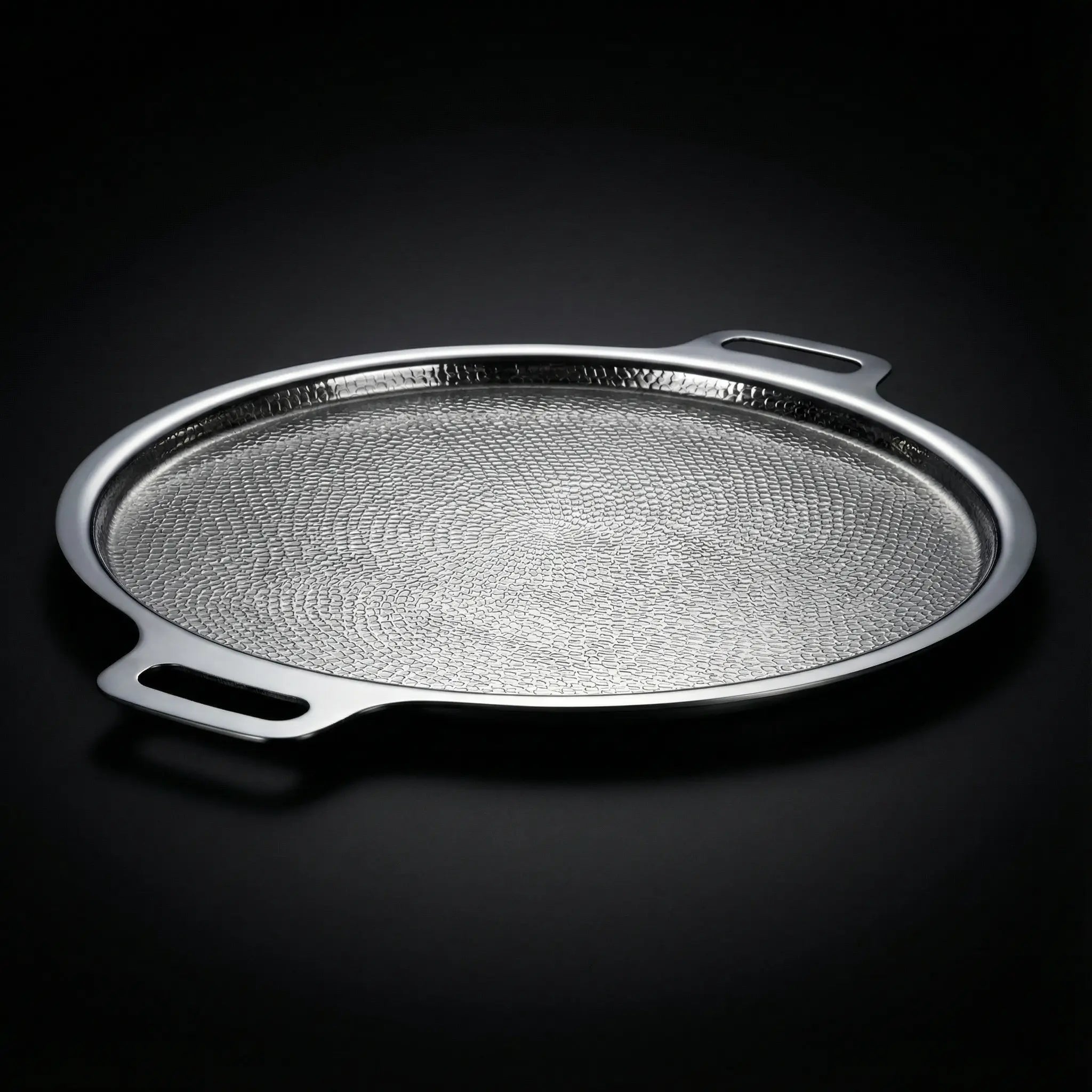
 Titanium Hammered Pizza Steel
 Panela Pro Martelada em Titânio
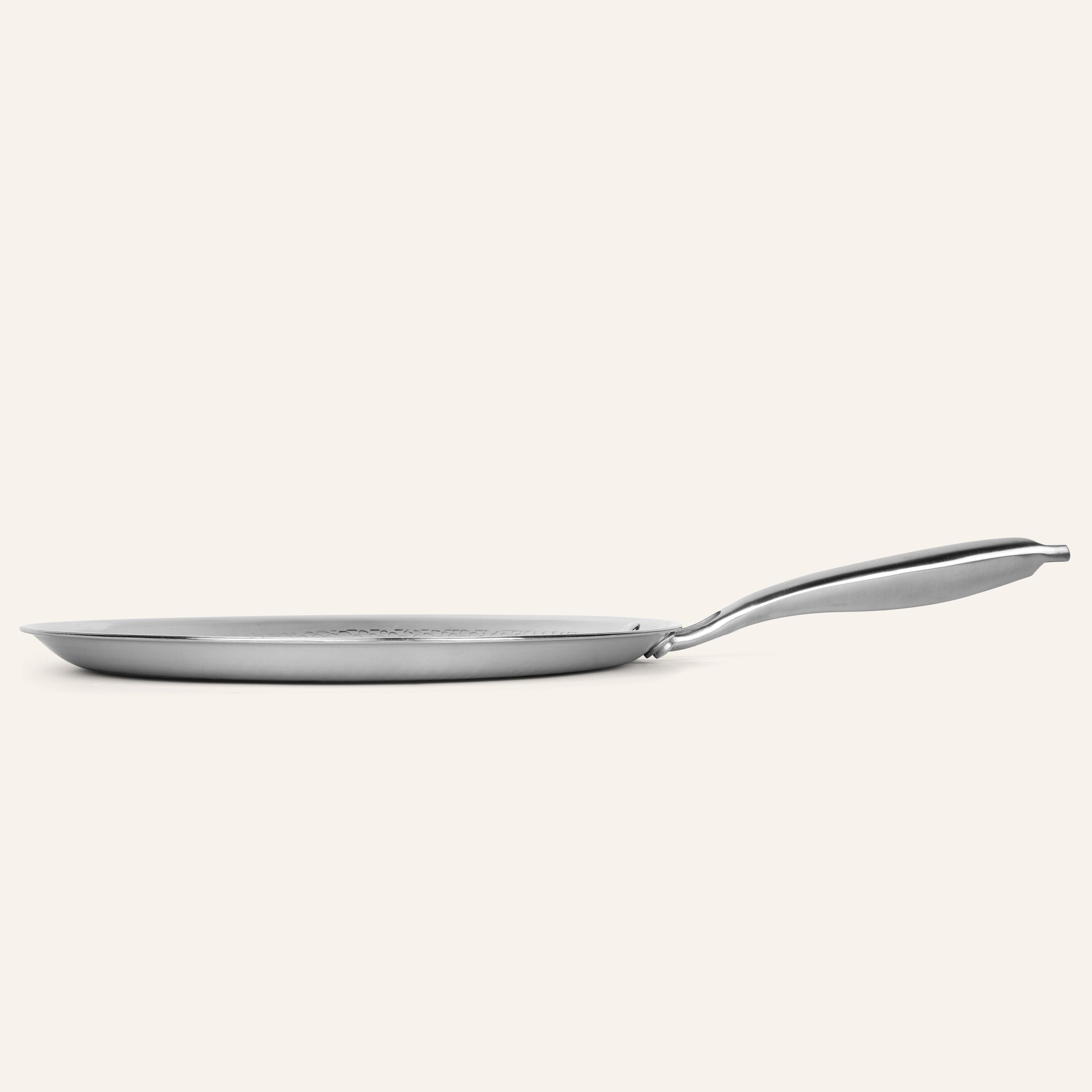
 Crepe Pan Pro em Titânio Martelado
 Panela Pro Martelada em Titânio
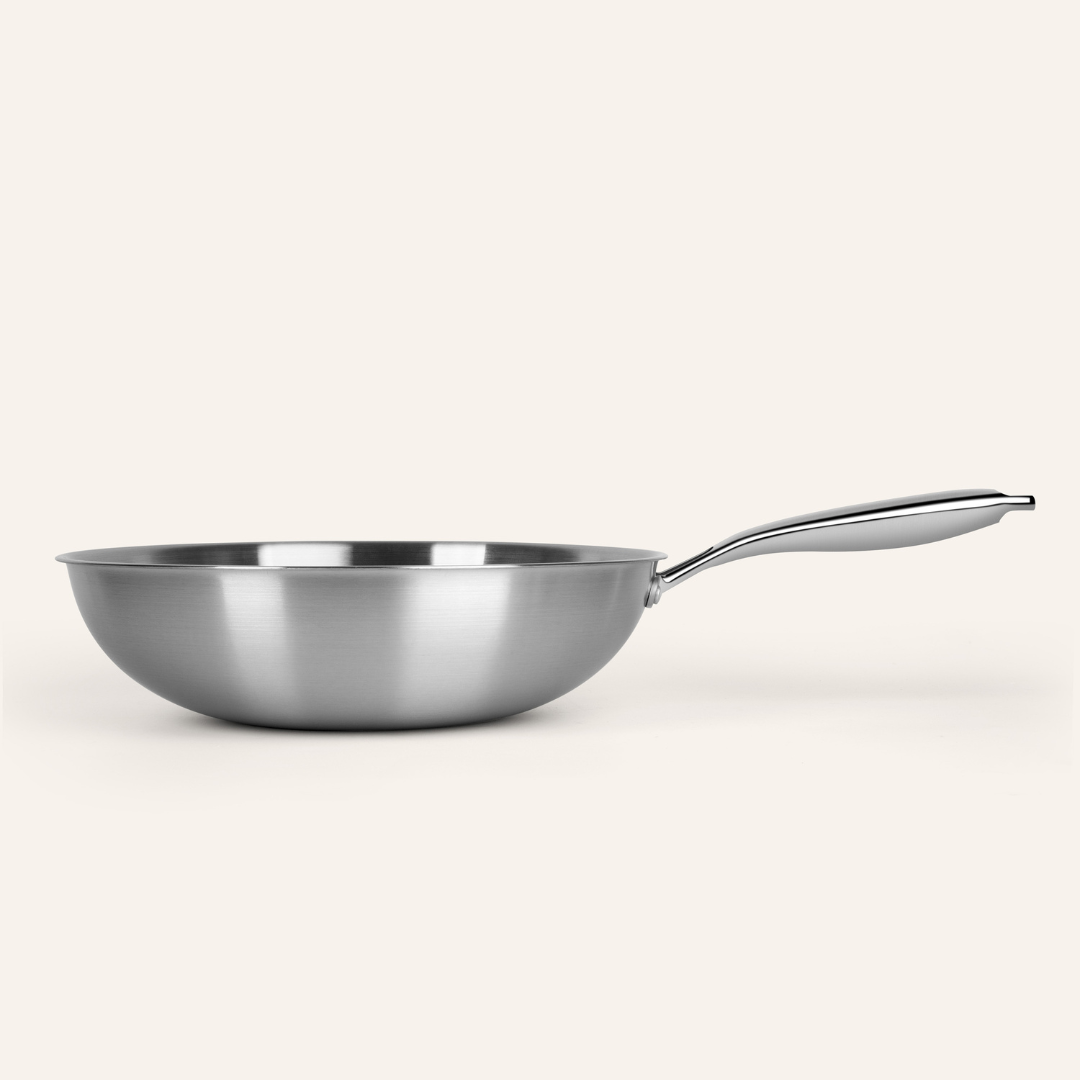
 Panela Wok Pro Martelada em Titânio
 Panela Pro Martelada em Titânio
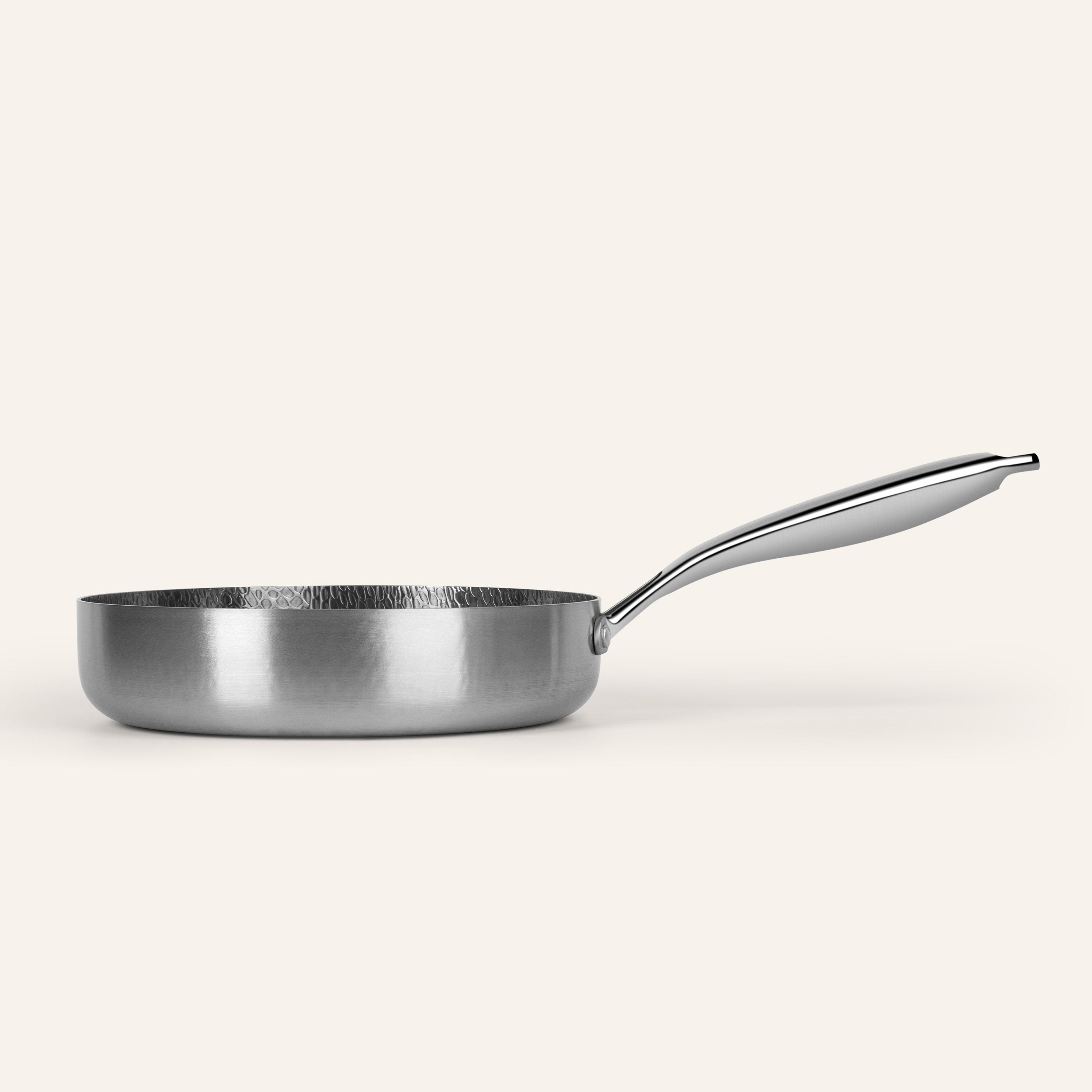
 Panela Profunda Pro Martelada em Titânio
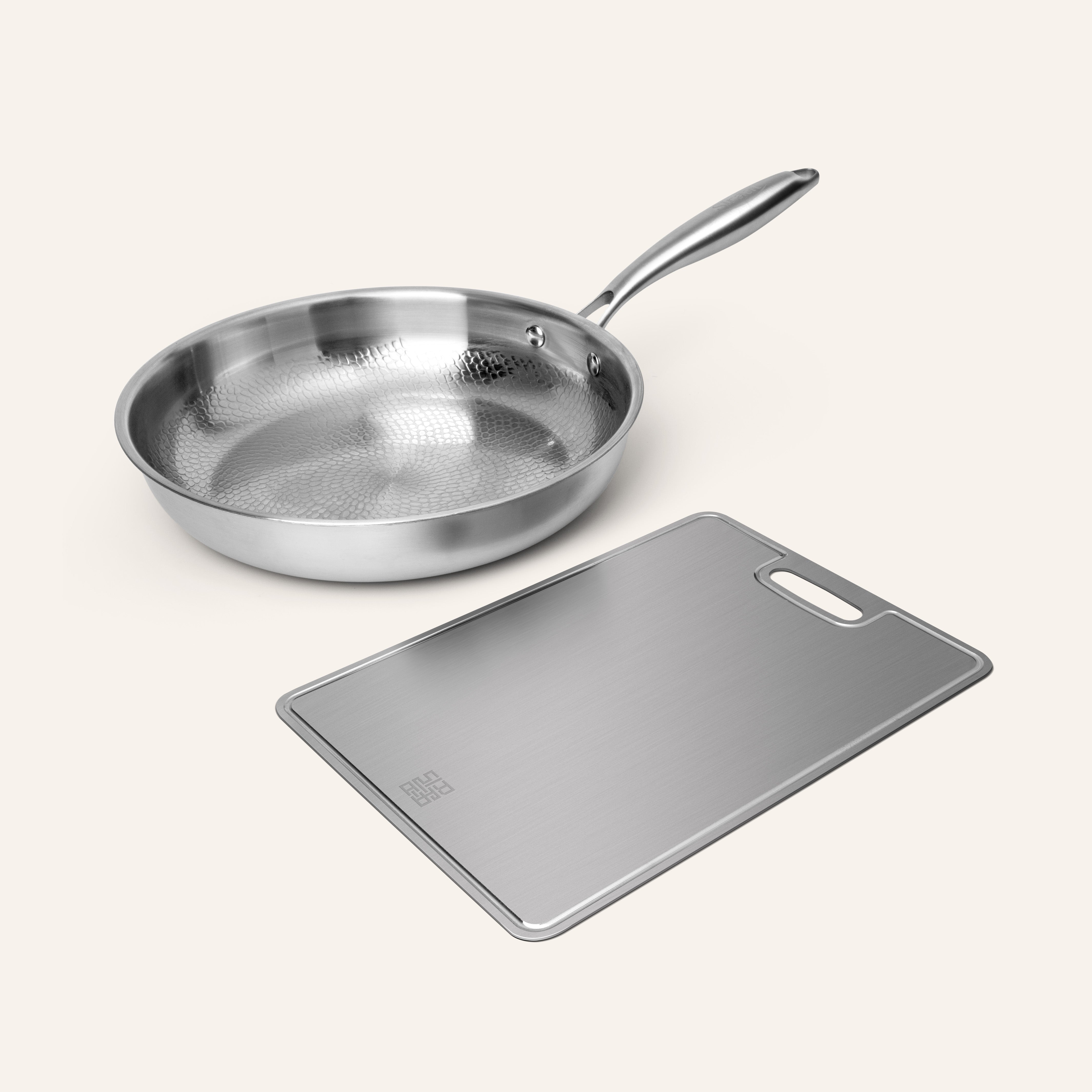
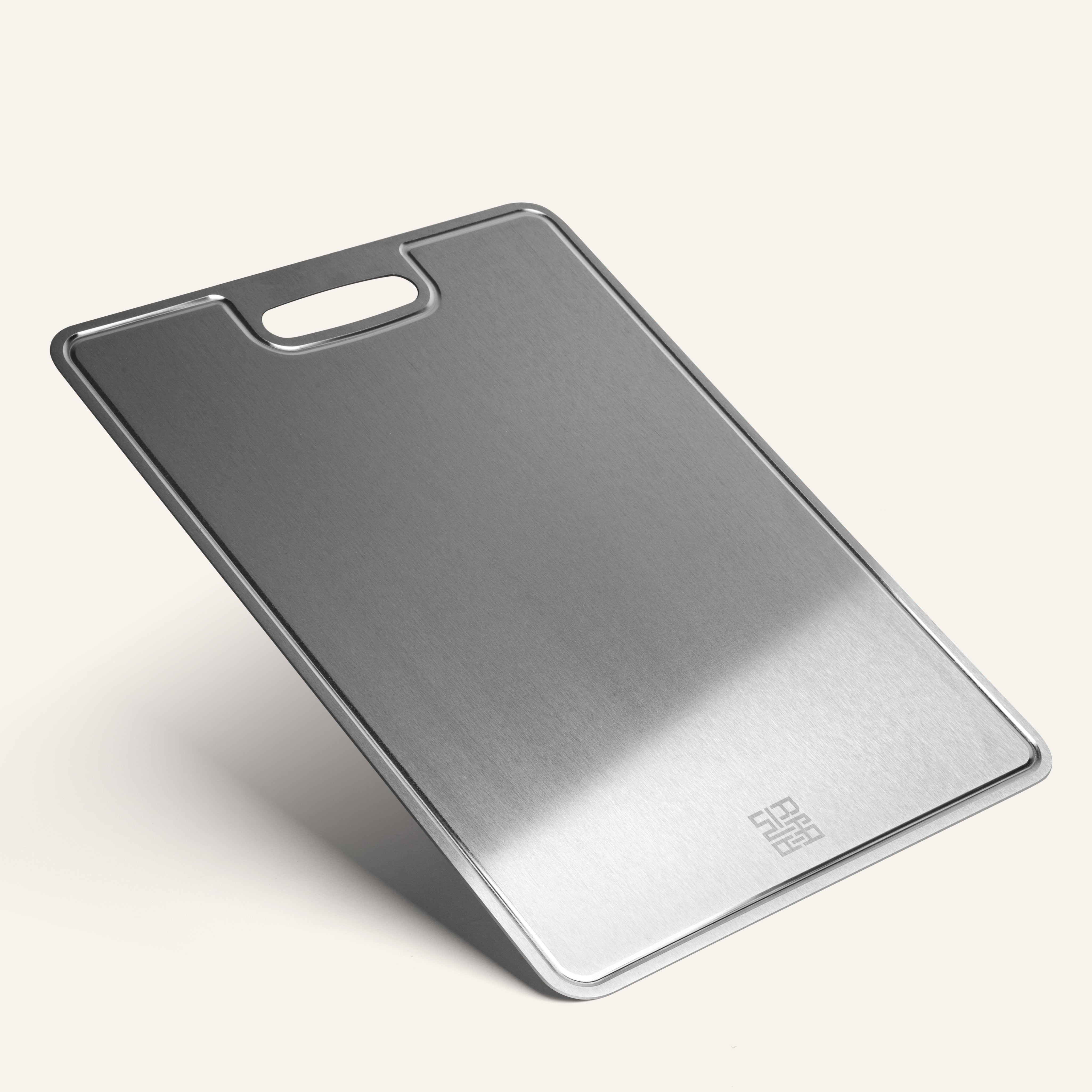
 Tábua de Corte em Titânio V2
 Pacote de tábuas de corte em titânio V2
 Tábua de Corte em Titânio V1
 Siraat Signature Apron (Azure)
 Siraat Signature Apron (Oak)
 Siraat Signature Apron (Moss)
 Siraat Signature Apron (Ember)
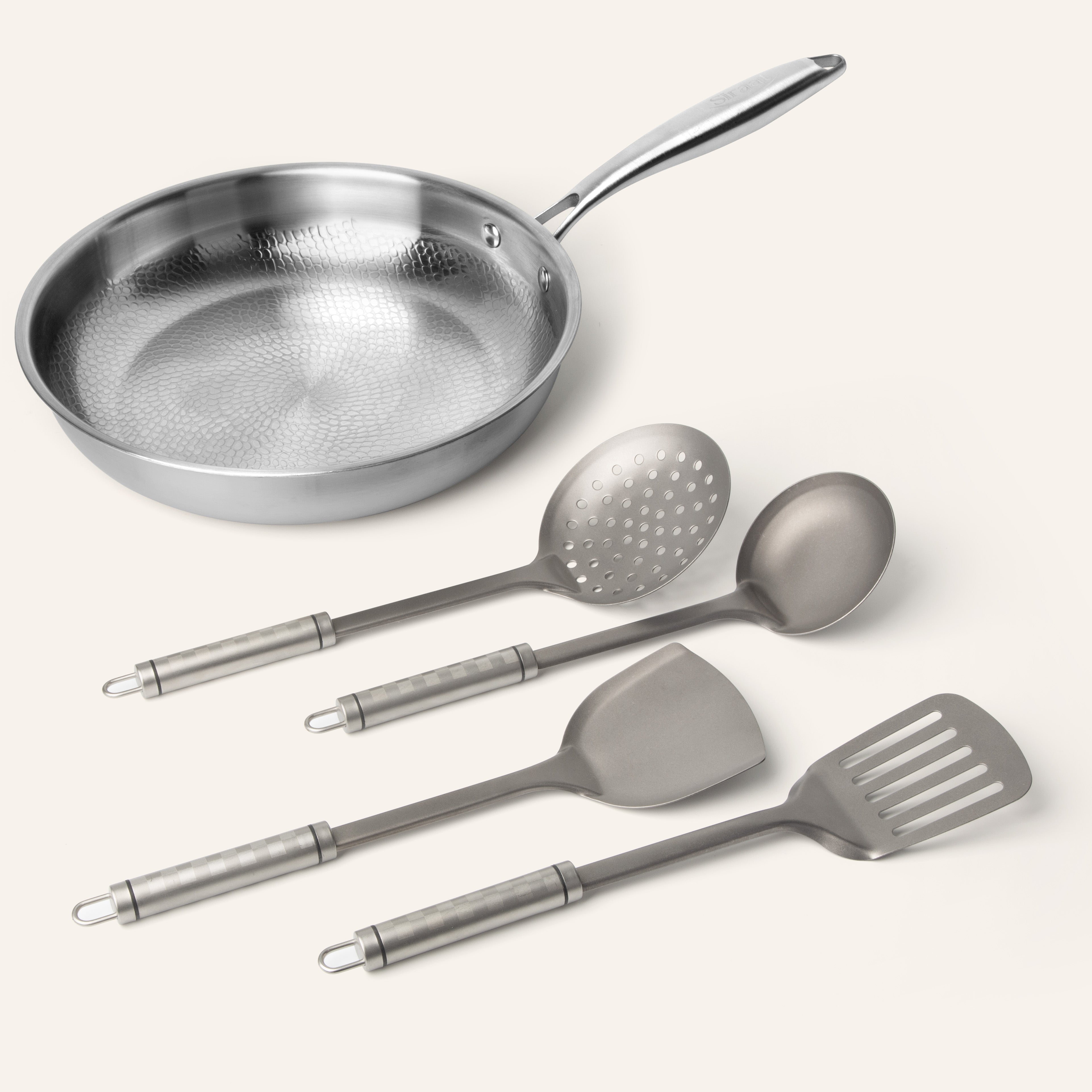
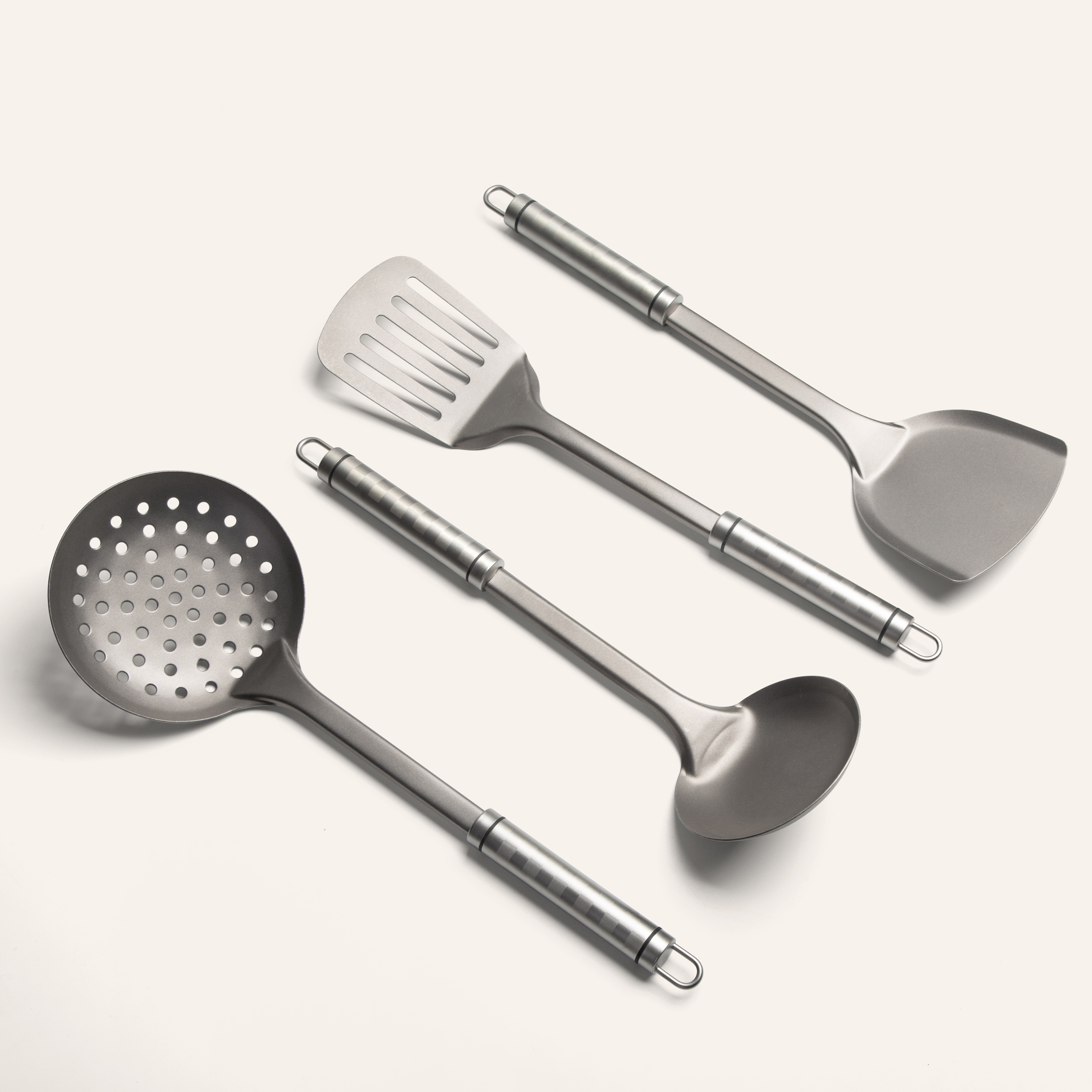
 Utensílios Siraat Pure Titanium
 Afiador de facas giratório - Diamante e cerâmica
 Trevo de madeira de cerejeira
 Tampa para panela em titânio Hammered Pan Pro
 Trevo de madeira de cerejeira
 Cherry Wood Mini Trivet
 Cubos de gelo em titânio para bebidas – Reutilizáveis | Siraats Kitchen
 Palhinhas de titânio
 Filtro de chá em titânio
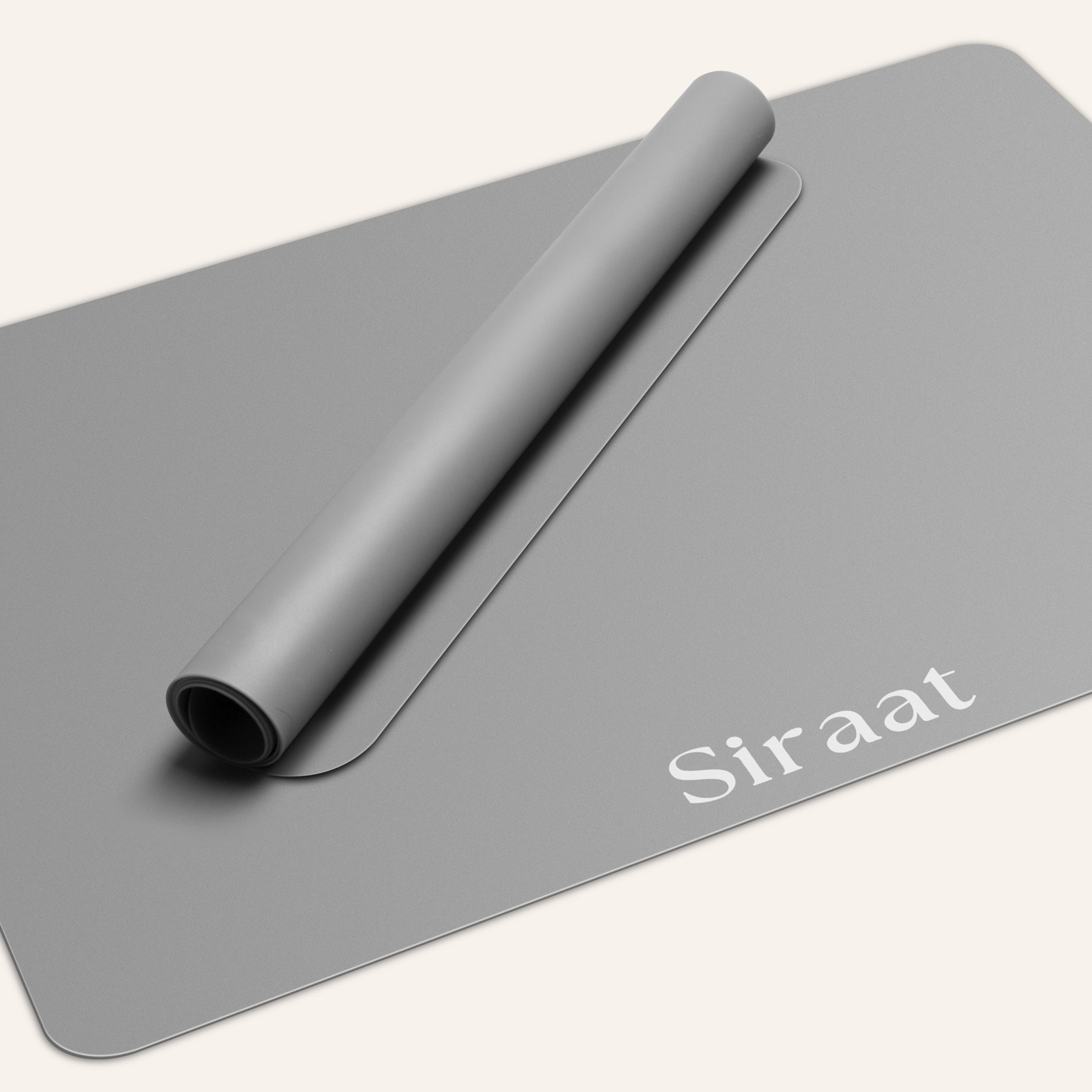
 Tapete de silicone antiderrapante para tábua de corte | Siraats Kitchen
 Tapete Diatomita – Antracite | Ultra-higiénico, de secagem rápida e resistente ao bolor
 Garrafa de água em titânio


When choosing the safest non-toxic and durable cutting board, it’s important to consider the material’s performance in everyday use. A truly safe and long-lasting cutting board should protect your health, withstand daily use without degrading, and support hygienic food preparation.
In this guide, we compare the most common cutting board materials, including titanium, wood, plastic, and glass. Understanding how these materials differ helps you choose the option best suited to your cooking habits and priorities.
What Makes a Cutting Board Safe and Durable?
Food Safety & Hygiene
This is the most critical factor when evaluating cutting boards. The safest non-toxic cutting boards do not leach harmful substances, chemicals, or microplastics into food during preparation. Non-porous or low-porosity surfaces are especially important, as they prevent food residue buildup, moisture retention, and bacterial growth.
Some materials are prone to absorbing liquids or develop grooves that can harbor bacteria and become difficult to clean and sanitize properly. For this reason, non-toxic materials that are easy to clean are more suited for everyday food preparation – particularly when handling meat, fish, and fresh produce.
Scratch Resistance & Surface Integrity
Over time, some cutting board materials tend to get scratched – and that affects both safety and longevity. Deep knife marks don’t just impact appearance; they can also compromise the board’s surface and create spaces where bacteria can accumulate.
Highly scratch-resistant cutting boards maintain a smoother surface long-term, which makes them easier to clean and safer to use. Additionally, durable materials that resist deep scoring reduce the need for frequent cutting board replacement – that is especially important for households that cook daily.
Sustainability
Cutting boards made from materials that do not contain plastics or harmful chemicals are often preferred by eco-friendly, health-conscious and sustainable households. Sustainability is closely linked to durability and material quality. Long-lasting, non-toxic materials help reduce waste by eliminating the need for frequent replacement. In addition to lifespan, material sourcing and manufacturing processes also matter.
Impact on Knives
A good cutting board should offer a balance between durability and knife-friendliness. While softer materials are more likely to scratch easily and lose their structural integrity, harder surfaces tend to dull knives more quickly. The best cutting boards balance hygiene, durability, and knife protection. In practice, some compromise is unavoidable – but with high-quality materials, appropriate knife choice, and regular maintenance, the balance can be achieved without sacrificing performance or longevity.
| Material | Non-Toxic | Scratch-Resistant | Knife-Friendly | Sustainable | Maintenance | Durability |
|---|---|---|---|---|---|---|
| Titanium | ✅ | ✅ | ⚠️ | ✅ | ✅ | ✅ |
| Plastic | ❌ | ❌ | ⚠️ | ❌ | ⚠️ | ❌ |
| Wood | ⚠️ | ❌ | ✅ | ✅ | ⚠️ | ⚠️ |
| Silicone | ✅ | ❌ | ✅ | ❌ | ⚠️ | ⚠️ |
| Glass & Ceramic | ✅ | ✅ | ❌ | ⚠️ | ✅ | ⚠️ |
Cutting Board Materials Compared: Which Are the Safest and Non-Toxic?
Titanium Cutting Boards
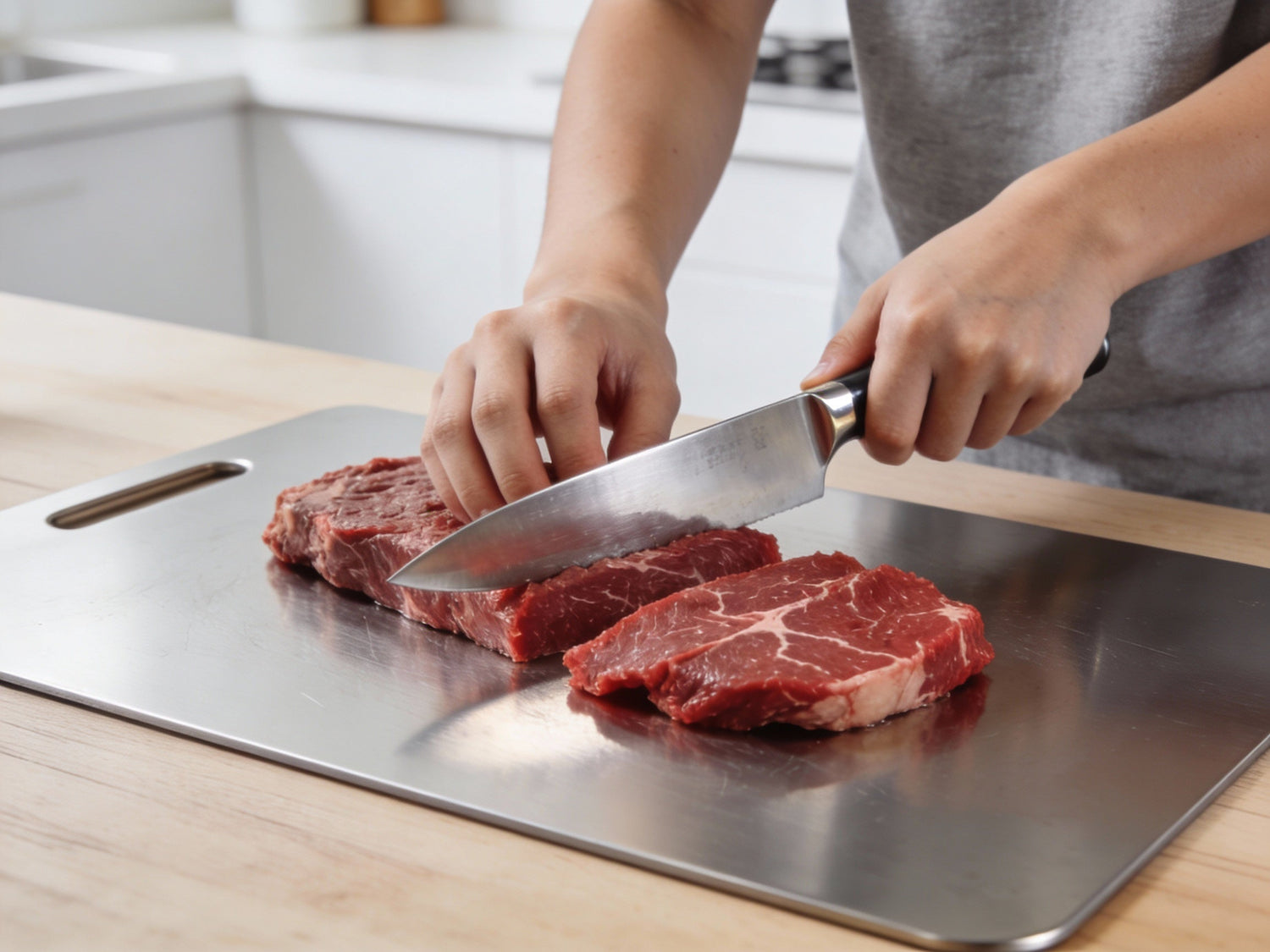
Titanium cutting boards are increasingly recognized as one of the safest non-toxic cutting board options available. The material is naturally non-reactive, non-porous, doesn’t absorb moisture, and doesn’t leach chemicals, metals, or microplastics into food. These characteristics help reduce the risk of cross-contamination and bacterial growth, which makes titanium cutting boards especially well suited for busy and health-conscious kitchens.
Thanks to its exceptional strength and scratch resistance, titanium is also very durable and maintains a smooth, intact surface over time. That supports long-term hygiene and easy cleaning. Titanium cutting boards are also corrosion-resistant and unaffected by moisture, which makes them a practical choice for those who want to avoid having to replace cutting boards frequently. One potential drawback is that titanium is a relatively hard material – it may dull knives more quickly than softer materials. However, when paired with high quality knives and proper care, this trade-off may be acceptable for users who prioritize durability and hygiene.
Best for:
Everyday cooking, health-conscious households, raw food preparation, and users who prioritize long-term safety and durability.
Plastic Cutting Boards
Plastic cutting boards are widely used due to their low cost, light weight, and accessibility. Many households appreciate their variety of designs and accept that they might need to replace them more frequently. Knives tend to dull faster when being used on plastic cutting boards compared to wooden ones – but generally less quickly than on titanium surfaces.
However, from a safety perspective, plastic cutting boards are not the best choice. They tend to be relatively soft and over time, they develop deep knife marks that can trap bacteria and become difficult to sanitize thoroughly. Additionally, repeated use and washing may cause them to shed microplastics, raising concerns for those seeking the safest non-toxic cutting board materials. While plastic cutting boards are initially cheaper, they are not scratch-resistant and often need to be replaced more frequently – potentially increasing long-term cost.
Best for:
Occasional use or situations where affordability and convenience are the primary priorities.
Wooden Cutting Boards
Another common cutting board material found in many households is wood. It’s often valued for its natural appearance, knife-friendly surface, and, in many cases, also affordability. As a renewable resource, wood can be an eco-friendly and sustainable option when responsibly sourced. There are many types of wood used for cutting boards, some of which are safer and more hygienic than others.
Compared to titanium cutting boards, wooden boards are generally less hygienic. Wood is naturally porous, which means it can absorb moisture, odors, and bacteria if not properly maintained. While certain hardwoods have natural antimicrobial properties, wooden cutting boards require regular oiling and careful drying to remain hygienic. Cracks, warping, and staining develop often, particularly in busy kitchens.
Best for:
Dry food preparation and users willing to invest time in regular maintenance.
Silicone Cutting Boards
Silicone cutting boards are flexible, lightweight, and generally considered safe for food preparation, as long as they are made from high-quality materials. They do not absorb moisture easily and are gentle on knives. In many cases, silicone cutting boards last longer than plastic alternatives.
However, since silicone is relatively soft, it is more prone to surface damage over time and can trap food residue. Durability varies significantly depending on material quality. Recycling options are limited and not widely available, which makes it a weaker option for environmentally conscious households. Additionally, the soft surface may feel unstable during use, which makes it better suited to light tasks rather than precise chopping or heavy food preparation.
Best for:
Light food preparation and occasional use rather than heavy daily chopping.
Glass and Ceramic Cutting Boards
These types of cutting boards are non-porous, hygienic, and easy to clean. They are non-reactive and often appreciated for their visual appeal. While glass and ceramic cutting boards are made from natural raw materials, their overall eco-friendliness depends on recycling availability and manufacturing processes, which are typically energy-intensive.
Glass and ceramic cutting boards are prone to chipping, cracking, or breaking, often leading to replacement rather than long-term use. These surfaces are extremely hard, which means they can severely dull knives – more than titanium cutting boards. Many users also find the loud noise produced during cutting distracting. From a safety and usability standpoint, these cutting boards are generally less practical for everyday cooking despite being non-toxic.
Best for:
Serving, presentation, or occasional light food preparation.

Choosing the Right Cutting Board for Your Kitchen
When safety, hygiene and ease of care matter most
If you cook daily and prepare raw foods often, a safe and a hygienic cutting board is a must. For cooks who are focused on long-term health and food safety, a non-porous, non-reactive and non-toxic surface is essential. Cutting boards that are scratch-resistant and do not absorb moisture help minimize bacterial buildup and cross-contamination. Frequent cooking also means frequent cleaning – a cutting board that maintains its appearance, functionality, and safety without the need for intensive scrubbing, carefully drying, and ongoing maintenance is a clear advantage.
Titanium cooking boards stand out in this category, as they are non-toxic, non-reactive and scratch-resistant. Their durable and easy-to-clean nature makes them well suited for consistent, everyday use – especially in kitchens that prioritize long-term performance across both preparation tools and cookware.
When durability and longevity are a priority
For kitchens that cook often, look to invest once and avoid frequent replacements, as well as environmentally conscious households, durability is a major deciding factor. Softer materials might be convenient or more budget-friendly at first, but they also tend to degrade more quickly, leading to hygiene concerns and reduced performance over time.
Highly durable materials like titanium maintain their surface integrity for many years – often a lifetime. They are a reliable long-term solution for busy kitchens that value consistency and longevity.
When budget or occasional use is the main factor
If you cook occasionally, need a secondary cutting board, or if budget is a deciding factor, more affordable options such as plastic or silicone may be sufficient. However, these materials typically need to be replaced more often and come with certain concerns related to hygiene, safety and surface damage.
Final Takeaway
While plastic, wood, silicone, and glass cutting boards each serve a specific purpose, titanium cutting boards offer the strongest overall combination of safety, non-toxicity, scratch resistance, and durability. For health-conscious households seeking a practical solution with minimal maintenance, titanium provides a long-term solution that prioritizes hygiene, durability, and consistent performance without frequent replacement.